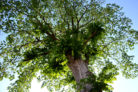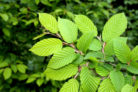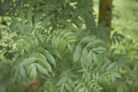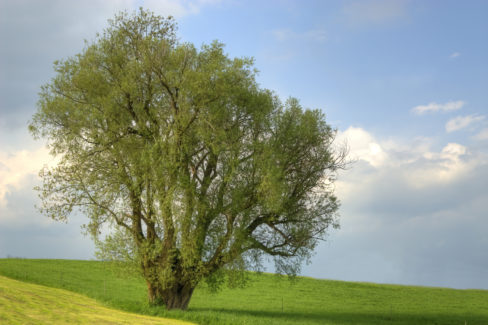
At first glance, the elm tree looks like the picture of strength and resilience. It’s no wonder these beauties can live for hundreds of years! But even though they’re tough, they aren’t invincible. Aside from a few serious diseases, there are several pests that just love to make a snack out of an elm.
Common Elm Pests
Just like any other deciduous tree, elms can attract all sorts of tiny unwanted guests. However, there are a few specific troublemakers that show up more often than others. If you’re keeping an eye on your tree, watch out for:
- Elm scale
- Bladder gall aphids
- Gall mites
Dealing with Elm Scale
Elm scale looks a lot like the scale insects you’d find on other plants. You’ll usually spot them by looking for tiny, waxy white threads, especially on the tender young shoots. The good news? You can often handle these with simple home remedies. A spray mix of water and a little dish soap (or rubbing alcohol) usually does the trick. If the infestation has really gotten out of hand, you might need to pick up a specialized treatment from your local garden center.
Dealing with Bladder Gall Aphids
Field elms and Wych elms seem to be magnets for bladder gall aphids. While these pests don’t usually threaten the overall life of the tree, they definitely ruin the aesthetic. Plus, they tend to attract ants, which is never a fun bonus.
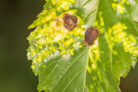
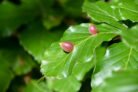
You’ll know you have them if you see small galls or “blisters” forming on the leaves, which eventually turn yellow or brown. The best move here is to prune away the affected parts of the plant to stop them from multiplying and spreading further.
Dealing with Gall Mites
If you notice tiny bumps or nodules covering both the leaves and the branches, you’re likely looking at a gall mite infestation. Just like with aphids, your best bet is to remove and dispose of the affected leaves and stems. Keep in mind that a tree stressed by mites is often more vulnerable to bad weather, diseases, and other pests.
How to Prevent Pest Problems
To be honest, it’s hard to 100% prevent pests from finding your tree. The best defense is a good offense: keep your elm as healthy and “vital” as possible. A strong tree can often fight off pests on its own and bounce back much faster from an infestation. Making sure your tree is planted in the right spot and getting the proper care is key. Also, keep a close eye on Elm Bonsais—since they’re smaller and more delicate, they tend to be more susceptible to pests. Give them a regular “check-up” to catch any issues early!