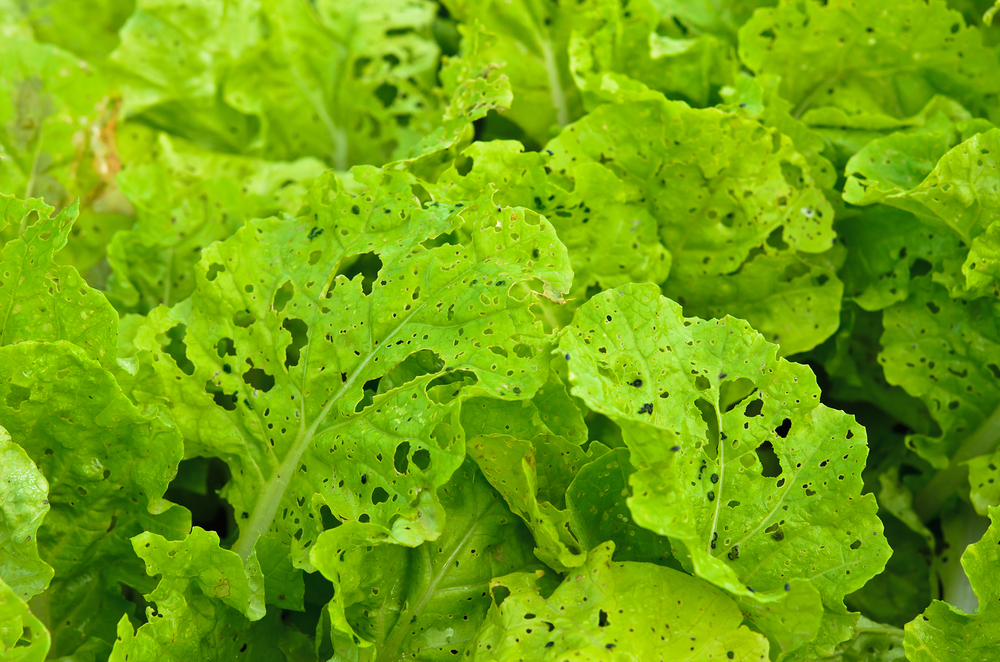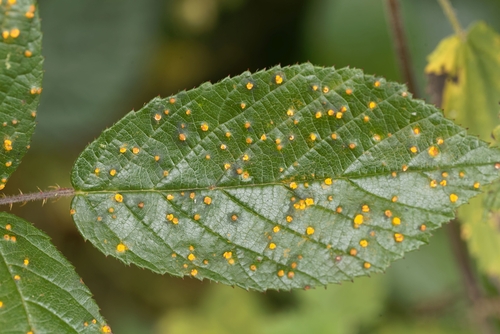
Is there anything better than harvesting a crisp, fresh head of lettuce straight from your own backyard? It’s the dream! While growing lettuce is generally pretty straightforward, butterhead and garden varieties can be a bit finicky when it comes to diseases—which can definitely put a damper on your gardening joy. But don’t worry! I’m here to help you spot the most common issues and show you how to handle them.
Common Lettuce Diseases to Watch For
The biggest culprit you’ll likely run into is Downy Mildew, but rot and various viruses can also crash the party. Let’s break down the two main troublemakers:
- Downy Mildew
- Lettuce Rot
Downy Mildew
Mildew is a sneaky one. If you don’t catch it early, it can be game over for your lettuce. In cases of a severe outbreak, your best bet is to pull the plant immediately to stop the spores from spreading to the rest of your garden. Usually, the weather is to blame—long rainy spells and soggy soil are the perfect breeding grounds. When those bottom leaves sit in constant moisture, the risk of mildew sky-rockets.
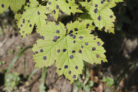
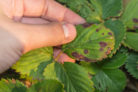
You’ll know you’re dealing with Downy Mildew if you see yellowish-brown spots forming on the tops of the leaves. If you flip the leaf over, you’ll likely see a fuzzy, white-gray coating of spores on the underside. While we can’t control the rain, you can help your plants by mulching the soil with some brush or straw to keep the leaves off the wet ground. Also, be careful not to overwater and try to avoid high-nitrogen fertilizers.
If you catch it early, just trim off the affected leaves. You can also try a natural DIY spray made from an infusion of onions, garlic, and horsetail herb. I’d definitely recommend skipping the harsh chemicals—after all, you want to harvest and eat that lettuce soon!
Lettuce Rot
Just like Downy Mildew, lettuce rot is usually caused by too much moisture. It’s often a “cocktail” of different fungal or bacterial infections. As the name suggests, you’ll notice the leaves starting to turn mushy and brown, usually starting with the leaves closest to the ground.
To save your crop, prune away any rotting leaves thoroughly and do your best to keep things dry. Airflow is your best friend here! When you plant your lettuce, choose a spot that gets a nice breeze. Also, if your soil has a low pH (too acidic), a quick treatment with garden lime can help keep the rot at bay.