Fruit flies can be a year-round headache, and let’s be honest—they are surprisingly hard to catch! While many of us prefer natural ways to deal with these tiny pests, carnivorous plants have become a popular “green” solution. But before you go out and buy a whole jungle, it’s important to know that they have their limits when it comes to a full-blown infestation.
The Best Plants for the Job
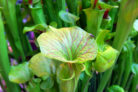
Not every carnivorous plant is built for fruit fly hunting. For example, Pitcher plants usually aim for slightly larger prey. If you want to target fruit flies specifically, you’ll want plants that use sticky traps or a quick closing mechanism triggered by touch.
Here are my top picks for beginners:
- Butterwort (Pinguicula)
- Sundew (Drosera)
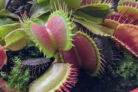
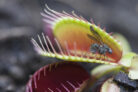
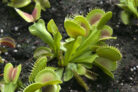
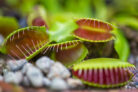
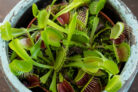
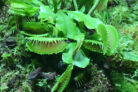
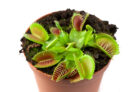
- Venus Flytrap (Dionaea muscipula)
The great news is that you can usually find these plants at very affordable prices. While carnivorous plants have a reputation for being a bit “diva-ish” about their care, the species listed above are actually pretty manageable for newcomers. Just a pro-tip: as soon as you bring your new plant home, repot it into a substrate specifically designed for carnivores to give it the best start.
A Slow Digestion Process
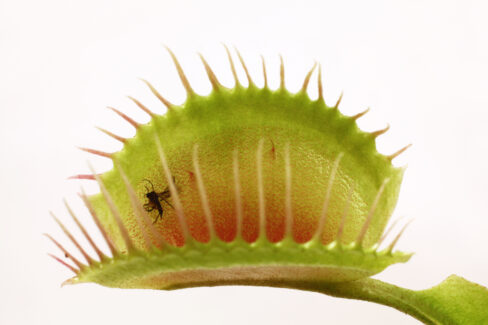
Here’s the catch: carnivorous plants aren’t a “quick fix” for a fruit fly swarm. The main reason is that digesting an insect—even a tiny one—takes quite a bit of time. Once a bug is caught, the plant releases enzymes to slowly dissolve the insides of the insect so it can absorb the nutrients. Usually, the legs, wings, and outer shell are left behind.
Another thing to keep in mind is that for some species, like the Venus Flytrap, the individual traps actually have a limited lifespan. A single trap will usually only open and close about seven times before it dies off.
Resist the Urge to Feed Them!
Since these plants can only process a few insects at a time, they won’t completely wipe out a major infestation, though they definitely help thin out the population. One big “no-no” is trying to feed your carnivorous plants yourself. It can actually do more harm than good.
The plant usually needs the movement of a live insect to trigger the digestive juices. If you place a dead bug in a trap, the plant likely won’t react. Instead of being digested, that bug might just sit there and grow mold, which can spread to the plant and kill it.
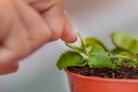
Once a fly has been fully digested and only the dry husk remains, you can carefully remove it with tweezers if it bothers you. It’s not strictly necessary for the plant’s health, but I get it—they aren’t exactly pretty to look at!