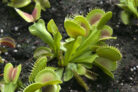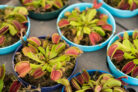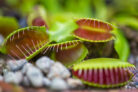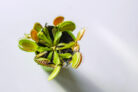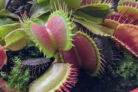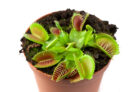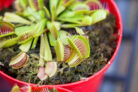
While carnivorous plants have a reputation for being a bit high-maintenance, they actually come with a pretty cool perk: you never have to worry about fertilizing them! As long as you nail the soil and watering routine, these unique plants will thrive on their own.
Don’t Forget to Repot Regularly
If you’re growing carnivorous plants in pots, keeping the soil fresh is key. Most exotic carnivores grown here at home actually pull the nutrients they need right through their roots from the substrate.
Your best bet is to grab a specialized carnivorous plant soil mix from your local garden center. These mixes are specifically designed to give your plants the perfect nutrient balance, which means you can skip the fertilizer entirely.
However, you’ll want to swap out that soil every year, as the nutrients tend to get tapped out after a full growing season. These plants also need “breathing room” for their roots, so make sure the mix is well-draining to avoid soggy feet. I always recommend mixing in a little lava rock or clay granules to keep the soil nice and airy.
The Secret to Watering
Carnivorous plants can’t actually “eat” the nutrients in the soil unless they’re dissolved in water. To get it right, most growers use a specific watering method called the “tray method.” Basically, you fill a saucer or tray with about an inch of water and let the pot sit in it.
Over the next few days, the soil will soak up that moisture until the tray is dry. Once it’s empty, give it a two or three-day break before refilling. If the soil still feels super damp, feel free to wait an extra day or two.
Skip the Bug Feeding
Here’s a fun fact: you don’t actually need to feed your plants insects! In their native habitats like the rainforest, these plants catch prey because the soil there is so nutrient-poor.
But since your indoor plants are getting plenty of nitrates from their high-quality potting mix, they don’t strictly need bugs to survive. In fact, trying to feed them dead bugs usually doesn’t work anyway. Most carnivorous plants only start producing digestive enzymes when they feel a *live* insect moving around inside the trap. This is a clever survival trick to keep them from wasting energy trying to “digest” a fallen leaf or a piece of debris.
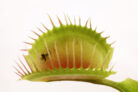
If a stray mosquito or fruit fly does happen to wander into a trap, don’t be surprised if it takes several days to disappear. After a few weeks, you can go in with a pair of tweezers and gently remove the leftover shell (the chitin) once the plant is finished with its snack.