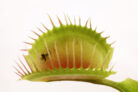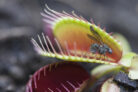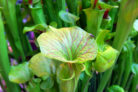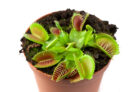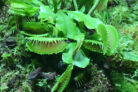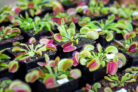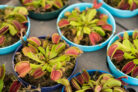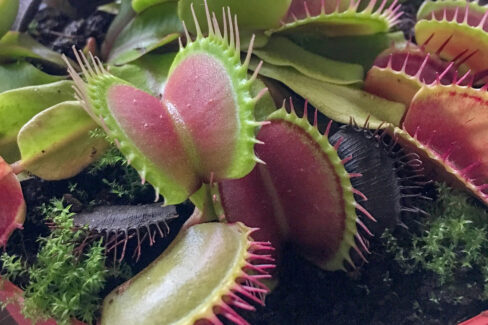
You’ll often see carnivorous plants marketed as nature’s ultimate fly swatters. And while it’s true that in the wild, these plants snack on insects—and the massive Pitcher plants can even trap small mammals—using them as a primary pest control method in your home is a bit of a stretch.
They Only Snack on the Small Stuff
We’ve all been there: you leave a bowl of fruit out a day too long, and suddenly you’re dealing with a fruit fly problem. Technically, these tiny pests are the perfect size for most carnivorous plants you’ll find at your local garden center.
However, most of these plants can only digest small insects, up to about the size of a common housefly. If you’re hoping they’ll take out a June bug or a large beetle, you’re out of luck. Larger insects are usually strong enough to wiggle out of sticky traps or climb right back out of those specialized tubes and funnels.
Success is Mostly Luck
If you take a look at a carnivorous plant profile, you’ll notice a common theme: most of them hail from tropical or subtropical climates. While we do have a few native carnivorous species here and there, insects aren’t actually their main meal—they’re more like a nutritional supplement.
The same goes for the exotic varieties we keep as houseplants. Since we usually provide them with nutrient-rich soil, they don’t actually *need* to catch bugs to survive. Plus, the insect population in a typical American home is way lower than in a tropical rainforest, so these plants rely heavily on high-quality substrate to stay healthy.
Even during a mosquito surge or a fruit fly breakout, a plant catching a bug is mostly down to luck. Most carnivorous plants only need a couple of insects a month to get by, and they can’t even process “extra” catches if they happen to snag more.
They’re High-Maintenance Roommates
Given the price of carnivorous plants at boutique plant shops, you might assume they’re easy to care for. In reality, it’s quite the opposite! These plants are definitely for the “green thumbs” who enjoy a challenge.
If you’re a beginner, I recommend starting with a budget-friendly variety so you can learn the ropes without too much stress. One pro tip: repot your plant as soon as you get it home. The soil used for mass-market carnivorous plants is often poor quality, and they won’t last long in it. Make sure to use a specialized carnivorous plant mix to ensure they get the exact nutrient balance they need to thrive.