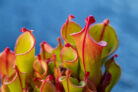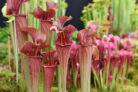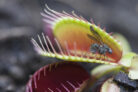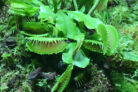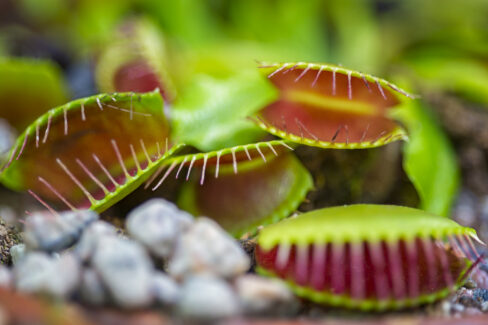
Most gardeners only ever see carnivorous plants sitting on a shelf at the local nursery. But here’s a cool secret: we actually have native carnivores that are tough enough to handle the winter! If you want to grow them outdoors, you just need to recreate their specific natural habitats.
Native Species to Choose From
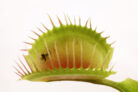
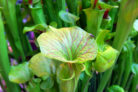
There’s actually a great variety of native carnivorous plants out there. While they might not be quite as “theatrical” as a Venus Flytrap or a tropical Pitcher Plant when they catch their dinner, they are still fascinating little botanical wonders.
Some great native options include:
- Butterwort (Pinguicula)
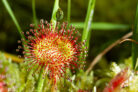
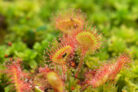
- Sundew (Drosera)
- Bladderwort (Utricularia)
Another native species is the Waterwheel plant. However, since it’s a strictly aquatic plant, it’s notoriously picky and hard to keep alive in man-made garden ponds. The best part about choosing native species is that these plants are winter-hardy, meaning they can stay right in your garden all year long without a fuss.
The Perfect Spot in Your Garden
Native carnivores can be just as demanding as rainforest species when it comes to their environment. They are particularly picky about their soil and location. Sundews and Bladderworts do best in bog beds that stay consistently moist.
Butterwort is a little more easy-going. While it loves a good bog bed, it can actually handle a bit of dry soil now and then. The one thing Butterwort absolutely hates, though, is standing water. Even in a boggy area, they appreciate a bit of “fresh” water movement.
No matter which one you pick, all native carnivores crave full sun. The ideal spot is usually at the edge of a pond in a shallow water or bog zone. Plus, those spots are insect magnets, so your plants will have plenty of “visitors” to catch!
Do You Need to Feed Them?
In nutrient-rich garden soil, native carnivorous plants don’t actually *need* to eat insects to survive. In the wild, catching bugs is more of a survival strategy for dry spells when the plants can’t pull enough nutrients from the ground.
In your own backyard, there’s really no need to manually feed your carnivorous plants. In fact, it usually won’t even work! Most of these species only start secreting digestive enzymes when they feel a live insect moving around in their trap. Generally, garden carnivores don’t need fertilizer, either. Just make sure the soil never completely dries out. If you want to give them a little boost, you can mix some fresh bog soil around them in the spring to provide a few new nutrients.