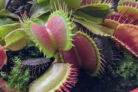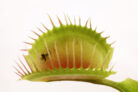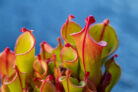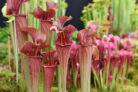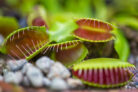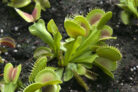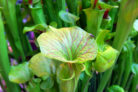
Carnivorous plants have always been a huge hit with gardeners because they’re just so fascinating. They kind of blur the line between the plant and animal kingdoms since they share the same taste in snacks! While insects are their go-to meal, some of the larger species out there can actually digest small mammals.
Genius Trapping Mechanisms
Since plants can’t exactly get up and chase their dinner, they’ve evolved some pretty clever ways to lure insects in. Carnivores use various traps like funnels or pitchers to get the job done. Many species even produce sweet nectar to trick unsuspecting bugs into stepping right into the danger zone.
Common trapping mechanisms include:
- Sticky flypaper traps
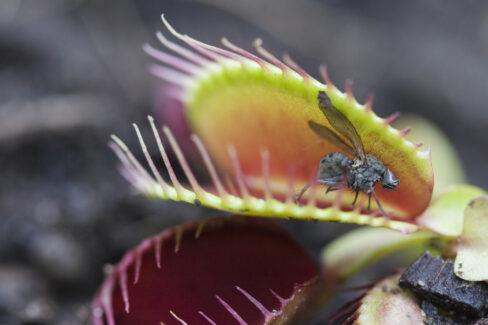
- Snap traps
- Suction traps
- Pitfall traps
- Lobster-pot traps
When you’re browsing your local garden center, you’ll mostly find plants with sticky traps, snap traps, or pitfall traps. These are the most popular because they grow quickly and are relatively easy for nurseries to propagate.
How They Digest Their Prey
In the wild, you’ll usually find these plants in extreme environments where the soil is super low in nitrogen. To survive, they’ve adapted to use insects as a much-needed nutritional supplement.
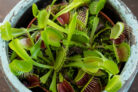
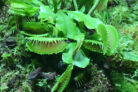
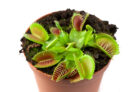
The “digestive juices” they use vary from species to species. For example, the Venus Flytrap uses a cocktail of enzymes like amylases, phosphatases, and esterases. Interestingly, some of these same components are found in almost every living creature that digests sugars!
The time it takes to finish a meal depends on the plant and the size of the bug. A Venus Flytrap usually takes about ten days to process a single mosquito. Pitcher plants, on the other hand, keep working until the insect is completely broken down. A tiny gnat might be gone in a few days, but a larger beetle could take several weeks to fully decompose.
Tips for Keeping Them Happy
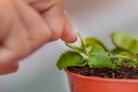
If you’re growing carnivorous plants at home, here’s a pro tip: you don’t actually need to feed them insects manually. In fact, for many species, “hand-feeding” doesn’t work well because the plant only starts producing digestive enzymes when it feels the struggle of a live insect.
The real challenge with these plants is their environment. They are definitely high-maintenance! You can’t let them dry out—most of them naturally grow in bogs or very swampy areas. They also crave high humidity. To keep them thriving, many indoor gardeners grow them in terrariums or closed glass containers to mimic that steamy, tropical feel.