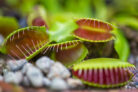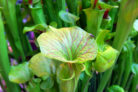
Carnivorous plants are some of the coolest additions to any plant collection. They get a good chunk of their nutrients by breaking down living organisms—mostly insects, though some massive pitcher plants can actually digest small mammals! But here’s the kicker: for the digestion process to even start, the trap has to be triggered first.
Different Types of Traps
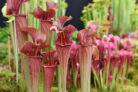
There are about 1,000 different species of these “meat-eaters” worldwide. We’re actually discovering new ones all the time, especially pitcher plants hiding out in the tropical rainforest. While all carnivorous plants share the same goal—grabbing nutrients from animals—their hunting methods are wildly different.
Common trap types include:
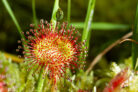
- Sticky traps (Flypaper traps)
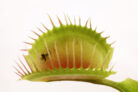
- Snap traps
- Suction traps
- Pitfall traps
- Lobster-pot traps
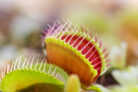
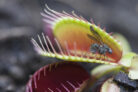
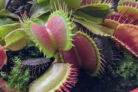
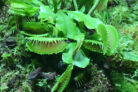
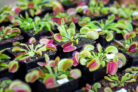
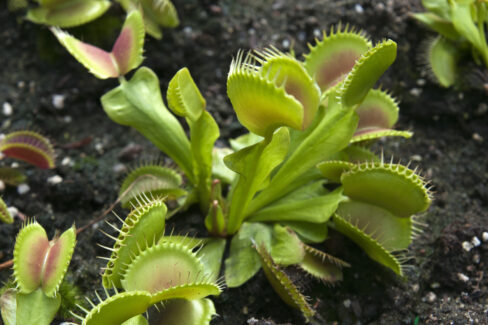
Sticky traps and pitfall traps are super common in the wild. On the flip side, only one species uses the famous snap trap: the Venus Flytrap. Even though it’s the one you see most often at garden centers, every single variety on the market actually comes from that one original species.
How They Get Their Nitrogen
Once a victim wanders into a trap, the plant releases a special digestive secretion to start breaking the insect down. The timing depends on the size of the meal. Some giant pitcher plants have openings up to a foot and a half wide—big enough to snag a small rodent! In those cases, digestion can take several weeks.
However, most carnivorous plants are really just looking for insects like mosquitoes. Once the plant is done, all that’s left is the hard chitin shell, the legs, and maybe the wings. The plant converts the rest into nitrogen, which it absorbs to stay healthy.
Do You Really Need to Feed Them?
In the wild, these plants usually depend on animals for their nitrogen fix. But if you’re growing them in a pot at home or have hardy carnivorous plants in your garden, they usually don’t need the extra snacks.
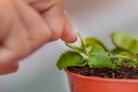
The potting soil or substrate they live in generally provides enough nutrients on its own. That means you don’t need to worry about fertilizing them or “hand-feeding” them bugs. In fact, feeding them manually often doesn’t even work. To start producing those digestive juices, the plant needs to feel a struggling insect. Usually, this happens when the bug hits specific “trigger hairs” multiple times—something that’s nearly impossible to fake with a dead insect!