Let’s be real: carnivorous plants have a bit of a reputation for being divas. They aren’t exactly “set it and forget it” greenery. To get them to thrive and actually multiply, you’ve got to nail the right soil and the perfect sunny spot. Depending on which species you’re growing, there are a few different ways to expand your collection.
Overview of Methods
There are over 1,000 known species of carnivorous plants worldwide. Believe it or not, about 15 species are actually native to Germany and can handle a cold winter without breaking a sweat.
Because there’s so much variety out there, there are plenty of ways to propagate these “meat-eaters.” Most species give you a few different options. Since growing and caring for these plants is already a bit of a project, I usually recommend trying a couple of different methods at once to see what works best for you.
Common propagation methods include:
- Seeds
- Head or side cuttings
- Leaf cuttings
- Root cuttings
- Division
Growing from seed is generally the most straightforward way to go and is usually my top recommendation.
Growing from Seed
If you want to grow a carnivorous plant from scratch, you’ll need a flower that’s been successfully pollinated. Getting these plants to bloom in the first place requires “Goldilocks” conditions—everything from the substrate to the light levels needs to be just right, or they simply won’t flower.
Here’s the funny thing: even though these plants eat insects, they still need them for pollination! That’s why their flowers usually sit high up on long stalks—it keeps the “helpers” from accidentally falling into the traps. If you want to be sure you get seeds, you can play bee yourself using a fine-tipped paintbrush. Once pollination is successful, wait until the seeds are fully ripe and easy to remove.
Don’t wait too long to plant them, though! Many species have seeds that lose their “spark” (germination power) pretty quickly. If you’re working with hardy, winter-proof species, you can sow them directly into the right soil right in your garden.
Propagation by Division
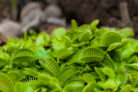
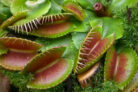
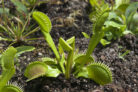
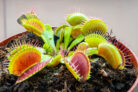
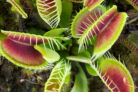
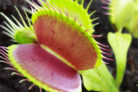
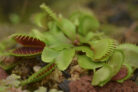
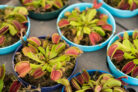
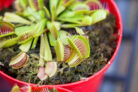
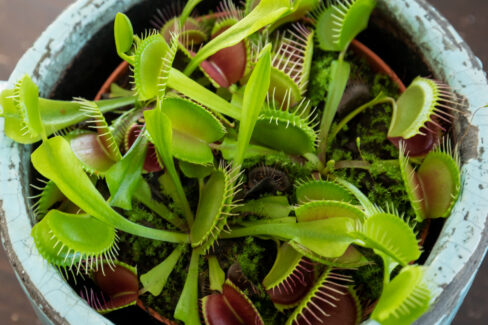
Division is a great move for plants that grow in dense clumps, like the classic Venus Flytrap. You can gently separate the plant in the middle (using two forks works surprisingly well!). The best part about division? Not only do you get a “new” plant, but you also give the original one some much-needed breathing room to grow even bigger.
Propagation via Cuttings
Using cuttings is another simple way to grow your collection, and it works wonders for Pitcher Plants (Nepenthes). The cool thing here is that you can take cuttings year-round. Just snip them off and tuck them into a suitable substrate, and they’ll start developing their own root systems before you know it.