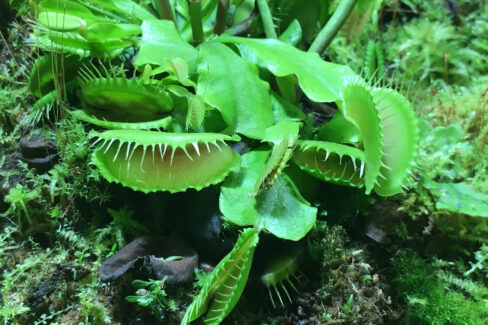
Believe it or not, carnivorous plants are found on every single continent except Antarctica! Because they have some pretty specific needs—especially when it comes to high humidity—you’ll find many species hanging out in tropical mountain ranges. Interestingly, the deep rainforest floor is actually a bit too dark for most of these bug-eaters.
The Struggle for Sunlight
Even though the rainforest is nice and humid, the thick canopy of trees creates a lot of shade, which is a dealbreaker for many carnivorous species. They generally prefer tropical mountain spots where the trees are a bit thinner and shorter, letting more sunlight hit the ground.
The species that *do* want to survive in the heart of the rainforest have to get creative to find the light. Just like many orchids, they’ve learned to grow as epiphytes, clinging to tree trunks and branches to climb their way toward the sun.
Pitcher Plants: The Rainforest Specialists
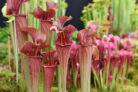
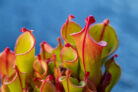
One genus, the Pitcher Plant (*Nepenthes*), has totally mastered this lifestyle. Their pitchers can hook onto trees, allowing the plant to anchor itself and grow upward toward the light. It turns out that Pitcher Plants are generally much more chill about lower light levels than their carnivorous cousins. If you’re looking to grow carnivorous plants at home and don’t have a bright, south-facing window for the winter, the easy-going Pitcher Plant is a great choice since it doesn’t mind a little shade.
In the wild, you’ll mostly find these beauties in the tropical rainforests of Southeast Asia and Borneo.
Massive Traps
In their natural habitat, Pitcher Plants—like all carnivores—rely on animal protein to survive. They produce special digestive enzymes to break down their prey, which provides them with the essential nitrogen they can’t get from the soil. These plants aren’t exactly picky eaters, either. Some species develop funnel-shaped traps that can reach up to 20 inches (50 cm) in diameter! That’s big enough to catch more than just bugs; researchers have actually found skeletons of small mammals like squirrels, rats, and even bats inside them.
Keeping it Manageable Indoors
If you’re thinking about adding a Pitcher Plant to your indoor jungle, don’t worry—your pets are safe! When grown in a pot at home, these plants rarely get taller than about 12 inches, and the individual pitchers are usually only about the width of a finger.
Just keep in mind that since these plants hail from tropical rainforests, they aren’t frost-tolerant. You’ll need to make sure they are properly protected during the winter months to keep them happy and healthy.