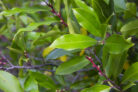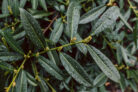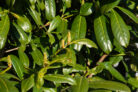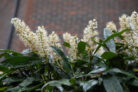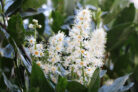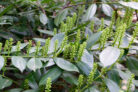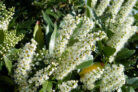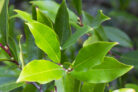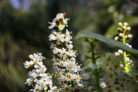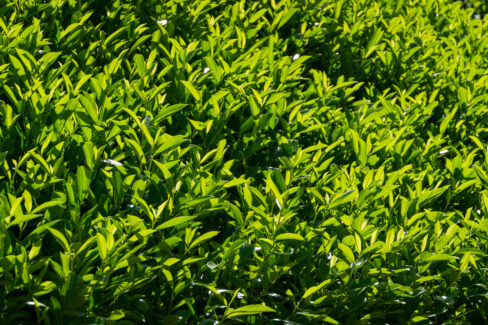
The lush, evergreen foliage of the cherry laurel is definitely its claim to fame. It’s exactly why so many of us love using them for privacy hedges or as standout statement plants in large patio pots. But what does it mean when those vibrant green leaves start turning a sickly yellow? If you’re seeing a golden hue where it doesn’t belong, don’t panic—here is the lowdown on why this happens and how to fix it.
What Yellow Leaves Are Trying to Tell You
When your cherry laurel starts sporting yellow or brown leaves, it’s basically the plant’s way of sending out an SOS. You definitely don’t want to ignore this signal. If left unchecked, the yellowing can spread, and you might eventually lose the plant altogether. The good news? It doesn’t have to come to that. Usually, yellow leaves are a sign that something is off with the plant’s environment, meaning it’s struggling to get the nutrients or oxygen it needs to thrive.
You’ll typically notice this discoloration:
- Shortly after planting (transplant shock)
- After periods of heavy, non-stop rain
- When your watering routine is a bit “off” (too much or too little)
Most of the time, yellowing leaves point to an issue with the cherry laurel’s root system. The most common culprit? Waterlogging. This happens when water gets trapped around the roots and can’t drain away. You don’t even have to be overwatering for this to happen; even a normal watering schedule can cause trouble if your soil is heavy or compacted. Your best bet is to gently dig up the plant and check the roots. If they look mushy or smell bad (root rot), you’ll need to trim away the rotted sections before replanting.
How to Fix the Problem and Save Your Laurel
To keep your laurel from getting “wet feet” again, you need to improve the soil drainage. The easiest way to do this is by creating a drainage layer. Dig your planting hole a bit deeper and add a layer of coarse sand or gravel at the bottom. This acts like a built-in drain, helping excess water move away from the roots. Once that’s set, you can put your cherry laurel back in the ground. Moving forward, make sure you’re following proper watering techniques. If your soil is naturally very heavy clay and just won’t drain, you might want to consider moving the plant to a better spot in your yard where the ground stays a bit drier.