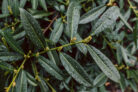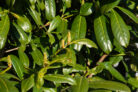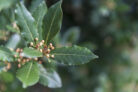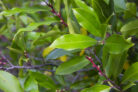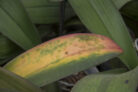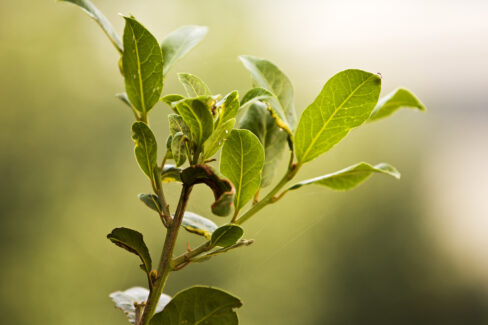
If you notice your bay laurel starting to sprout brown leaves, take it as a little SOS from your plant. It’s more than just losing that gorgeous evergreen look; usually, those crispy edges are a sign that something is going on under the surface. Let’s dive into what might be bothering your laurel and how to fix it.
Care Mistakes or the Wrong Spot
One of the biggest culprits for brown leaves is thirst. This usually happens because the location isn’t quite right or you’re just not hitting it with enough water. Keep in mind that bay laurels are actually pretty thirsty plants! During those hot summer months, you’ll want to give yours a deep soak at least once a week. They can be a bit picky about water quality, too—they love soft water. If you can, use rainwater or filtered water to keep them happy.
Another common “oops” moment is fertilizing incorrectly. Brown leaves can actually be a sign of over-fertilizing or using the wrong stuff. As a rule of thumb, stick to organic options. Things like compost, humus, or well-aged manure are perfect. I’d steer clear of synthetic chemical fertilizers if you can. Bay laurels aren’t heavy feeders anyway; a nice boost in the spring during their growth spurt is usually all they need.
Great options for feeding your laurel:
- Horse manure
- Cow manure
- Humus or compost
- Molasses-based liquid fertilizer
Diseases or Messy Pruning
While these plants are pretty tough, diseases can still creep in and cause browning. Often, this happens because of bad timing. If you prune too early or too late in the season and the fresh cuts get hit by frost, the plant is going to struggle. Also, watch your technique! If you accidentally nick or slice through leaves while pruning and leave them on the branch, you’re basically inviting trouble and more brown spots.
How to Save Your Plant
First things first: grab your shears and prune away those brown leaves and any dead, brittle twigs. If you suspect the root ball has completely dried out, you might need to take more drastic action. Carefully dig the plant up and give it a “bath” in a tub of water until the roots are hydrated. Let the roots air out for a day, then replant it with a fresh layer of humus to help lock in moisture.