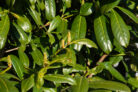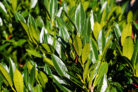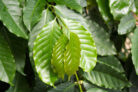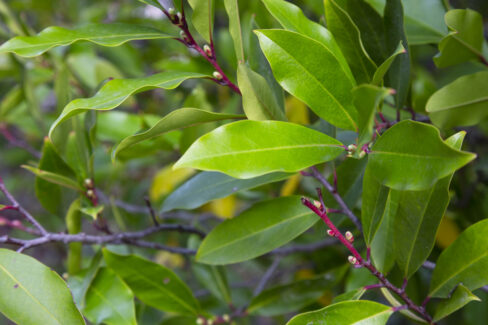
The lush, glossy foliage is definitely the star of the show when it comes to bay laurel. That’s why it’s so heartbreaking when those vibrant green leaves start turning yellow. If you notice this color shift, your plant is trying to tell you that something is off. Here’s a breakdown of the most likely culprits and how you can get your laurel back to its healthy self.
Watering Woes
One of the most common reasons for yellowing leaves is a watering mishap—either too much or too little—depending on your plant’s location. Keep in mind that bay laurel is native to Mediterranean and Asian regions. It’s not a fan of “wet feet.” Standing water is a death sentence for the root ball, so you definitely shouldn’t be watering it every single day. Your best bet is to use a sandy soil mix that holds a bit of moisture but drains quickly and efficiently.
What to do if you suspect a watering issue:
- Carefully dig up the plant, keeping the root ball intact.
- Check the soil moisture levels.
- If it’s bone dry, give the root ball a good soak in a bucket of water.
- If it’s waterlogged, let the roots air out and dry for about a day.
- Replant your laurel in well-draining soil.
Winter Stress
If your bay laurel wasn’t overwintered correctly, yellow leaves are a common protest. Despite looking tough, bay laurels aren’t as cold-hardy as you might think; they usually only tolerate temperatures a few degrees below freezing. On the flip side, keeping them in a dark corner or a room that’s too warm indoors won’t meet their needs during the dormant season either. Try not to bring them inside too early in the fall or wait too long to move them back out in the spring, as this stress makes them sitting ducks for diseases.
Nutrient Deficiencies
A third common cause is simply a lack of nutrients. Your laurel might be struggling because the soil is “spent” or the pH is off. Try refreshing the area with some organic humus. Yellow leaves are often a classic sign of nitrogen or iron deficiency. To fix this, you can swap out the top layer of soil, mix in some compost as fertilizer, or use a high-quality, molasses-based liquid fertilizer to give it a quick boost.