Is chervil just parsley’s shy, less-famous sister? Or are these two members of the carrot family (Apiaceae) look-alikes that are totally different on the inside? Well, the differences are definitely big enough that you’ll want to know which one you’re grabbing for your next recipe.
Chervil and Parsley: What They Have in Common
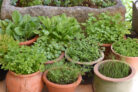
Both of these herbs belong to the same botanical family and love a nice spot with partial shade. Just a heads-up, though: don’t plant them right on top of each other, as chervil isn’t a big fan of “roommates” in the garden. In the kitchen, both are superstars for leveling up veggie dishes, soups, stews, egg recipes, poultry, and fish. Growing chervil and parsley in your own backyard is the best way to ensure a fresh harvest. Just remember to pick them before they start to flower; once they bloom, the flavor profile changes so much that the leaves aren’t really edible anymore.
Pro Tip:
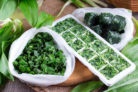
Go ahead and sow plenty of both! They freeze beautifully, which is great because they tend to lose most of their punch if you try to dry them.
A Closer Look at Leaves, Flowers, and Seeds
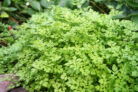
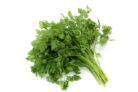
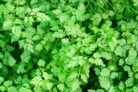
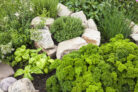
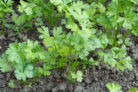
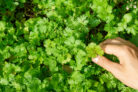
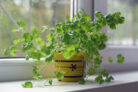
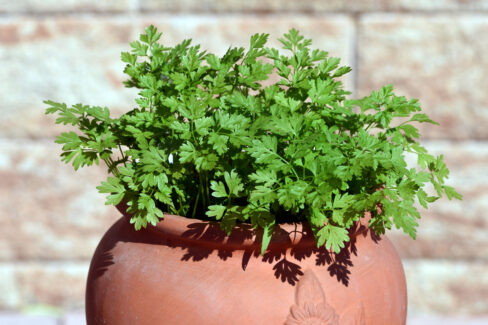
Chervil leaves are delicate and finely serrated—they almost look like tiny, miniature fern fronds. Parsley, on the other hand, has much coarser teeth and the leaves feel a bit more robust. Here are a few more nerdy plant facts to help you tell them apart:
- Both herbs produce umbel-shaped flower clusters.
- Parsley flowers are yellowish, while chervil blooms are pure white.
- Chervil petals look like tiny hearts and aren’t fused together.
- Parsley has smaller, more subtle individual flowers.
- Chervil seeds are long, slender, and black.
- Parsley seeds are small, crescent-shaped, and brown.
The Sniff and Taste Test
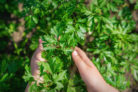
Chervil has a slightly sweet scent with aromatic notes that might remind you of anise or fennel. Flat-leaf parsley isn’t sweet at all; it has a much more peppery, savory fragrance. Neither herb is particularly “loud” with its scent, though. You won’t necessarily smell them just by standing nearby. To get the full effect, you’ve got to rub the leaves between your fingers to release those signature essential oils.
As you might guess, they taste exactly how they smell. Chervil brings that licorice-like anise and fennel vibe, while parsley is bold and savory with just a tiny hint of spice. By the way, if you’re still confused, there’s a third look-alike in the mix: cilantro. But once you taste it, you’ll know—cilantro has that unmistakable musky, citrusy zing.