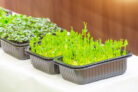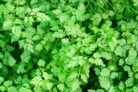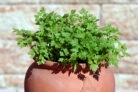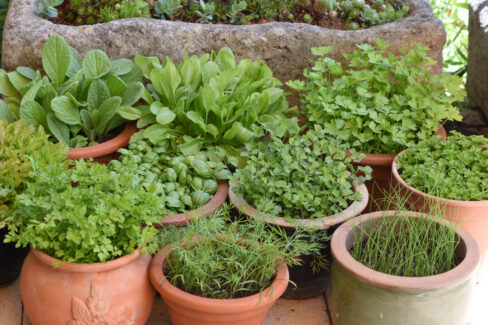
Don’t worry, calling chervil a “drama queen” might be a bit of an exaggeration! This herb only shows its sensitive side if the sowing process isn’t quite right. If you give the seeds exactly what they need, chervil is actually incredibly healthy and grows like crazy. Let’s dive into everything you need to know to get it right.
The Best Time to Plant
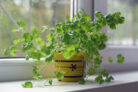
In an effort to get a head start on the harvest, many gardeners try to start this annual herb indoors. However, chervil absolutely hates being transplanted and might even die on you if you try to move it. Direct sowing in the garden starting in mid-May is usually your best bet. If you live in a milder region where hard frosts aren’t a concern, you can get started as early as mid-March. If you’re planning on growing chervil in pots indoors, March is also the magic month. Don’t bother starting any earlier than that, though—without enough natural light, the plants will just get “leggy” (tall and spindly) and weak.
Pro Tip:
Chervil grows and bolts (flowers) very quickly after sowing, especially when the weather gets hot and dry. Once it bolts, the leaves turn bitter and lose their culinary magic. To keep the harvest going all season long, try “succession planting”—sow a small batch of seeds every two weeks right through October.
Fresh Seeds are Key
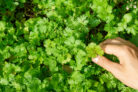
When you’re growing chervil, try to use seeds harvested just last year. Chervil seeds lose their ability to sprout very quickly as they age. If you’re buying seeds from the store, double-check the expiration date to ensure freshness. Also, keep an eye out: stores often stock cilantro and parsley nearby. While they might look similar to chervil, they taste completely different and definitely aren’t a substitute!
Finding the Perfect Spot
To get that amazing, signature aroma, you really want to pick the perfect location. When chervil is happy, it produces so many shoots that you’ll have plenty extra to freeze for the winter. Keep these points in mind when scouting your garden:
- Partial shade is best
- Full sun is okay, but only if it’s protected from the harsh midday heat
- Deeply loosened, well-draining soil
- Rich in nutrients and organic matter (humus)
- If your soil is heavy, mix in some quartz sand or perlite
- If your soil is poor, enrich it with some good compost
Chervil isn’t much of a “social butterfly” and generally prefers not to share its space with other plants, so it’s not the best candidate for companion planting. However, it does get along great with lettuce! In fact, chervil’s aromatic oils can actually help keep slugs away from your salad greens.
How to Sow Your Seeds
You can either scatter the seeds broadly or plant them in rows about 6 inches apart. Once they’re down, just press them lightly into the soil. Do NOT cover them with dirt—chervil seeds need light to germinate! Use a fine mist or a gentle watering can to dampen the soil, and keep it consistently moist. If temperatures stay between 65 and 70°F, you should see the first little green sprouts popping up within 2 to 3 weeks.