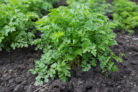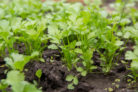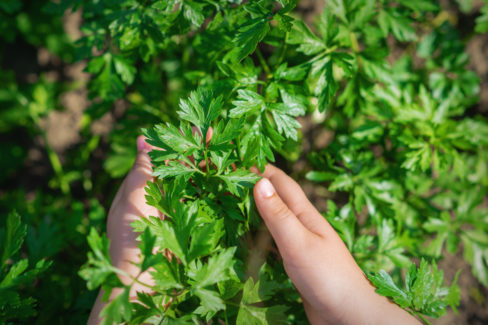
If you want your parsley to thrive, you’ve got to talk about fertilizer. But here’s the thing: everything you feed your plants eventually affects their flavor. That means getting a big, tasty harvest is all about finding the right balance. It really comes down to three things: what kind of fertilizer you use, how much you give them, and when you apply it.
Parsley Takes Its Time (So Don’t Rush It!)
Now, don’t get me wrong—parsley definitely needs nutrients after planting. But you have to remember that parsley is a naturally slow grower. It’s tempting to dump extra fertilizer on it to speed things up, but more isn’t always better. Over-fertilizing won’t make it grow faster; instead, it can actually ruin the flavor or even kill the plant entirely. If your parsley isn’t growing at all, it’s rarely a lack of food—usually, it’s a sign of bad placement or a disease issue. Patience is key here!
Keeping it Organic
Since we’re not growing parsley for its flowers, almost every green leaf ends up in a recipe or in the freezer for later. That means whatever you put in the soil eventually ends up in your stomach! For that reason, I always recommend sticking to “clean” feeding options. Think about what you’re putting in your body:
- Use your own homemade compost if you have it.
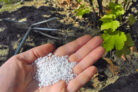
- Opt for high-quality organic fertilizers.
- Blood meal or bone meal are great organic choices.
- For container plants, go with a liquid organic fertilizer.
Also, keep in mind that parsley loves nutrient-rich soil that’s a bit on the alkaline side (it likes lime!). If you’re unsure about your soil, grab a simple pH test strip from the garden center to see if you need to adjust it.
Fertilizing Parsley in the Garden
If you’re planting directly in a garden bed, preparation is everything. Before you sow your seeds, loosen the soil, clear out the weeds, and mix in plenty of compost. If you do this right, you won’t need to fertilize again for the rest of the first year. In the second year, a light dusting of compost in the spring is plenty. By mid-summer of the second year, the plant is usually done anyway. Once it starts to bloom, it produces apiol—a compound that isn’t great for you—which spreads into the leaves and makes them taste bitter.
Feeding Your Potted Parsley
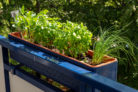
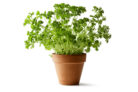
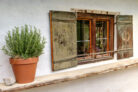
Potted parsley on a windowsill or balcony is a bit more high-maintenance. Because the soil in a pot loses nutrients much faster, you’ll want to feed it about once a month during the growing season. The best way to do this is to mix a liquid fertilizer in with your watering routine. This helps the nutrients reach the entire root ball quickly and evenly.
Pro Tip:
If you’re planning a big harvest in the summer, stop fertilizing a week or two beforehand. This allows the leaves to develop that pure, delicious parsley punch without any interference from the fertilizer!