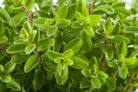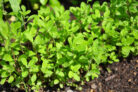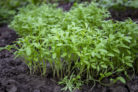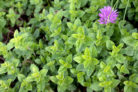
Chervil is the ultimate herb for the “impatient” gardener—or really anyone who loves a quick win in the garden. We’re talking about a plant that goes from seed to harvest in just a matter of weeks. If you play your cards right, you can enjoy fresh clippings from early spring all the way until the first frost hits.
Choosing the Right Spot and Soil
If you pick the wrong location, chervil will either struggle or refuse to grow altogether. Too much direct sun is a major dealbreaker; it causes the plant to bolt (bloom) way too early, which ruins the flavor for cooking. To keep your chervil happy, aim for these conditions:
- A partially shaded spot that stays nice and warm.
- Well-draining, loose soil.
- A bit of sand mixed in if your soil is heavy.
- Plenty of nutrients (think rich, aged compost).
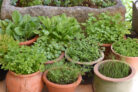
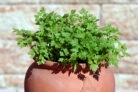
Chervil also does great in pots! Just make sure you follow the same rules for soil and light if you’re growing it on your patio or windowsill.
When to Start Planting
Chervil is an annual, so you’ll need to start fresh every year. Since it’s not a fan of hard freezes, wait until late March in milder climates, or mid-May elsewhere, to sow your seeds directly into the garden bed. While you *can* start seeds indoors, I wouldn’t recommend it. Chervil has sensitive roots and often dies off after being moved. This is also why you should be careful with store-bought plants—if you buy one, it’s usually best to just leave it in its original pot.
To keep the harvest going, try “succession planting.” Sow your seeds every 2-3 weeks until October. Since chervil seeds need light to germinate, just scatter them on top of the soil and press them down gently—don’t bury them!
Pro Tip:
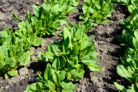
Chervil is a bit of a loner and doesn’t always play well with others in a mixed bed. However, there is one perfect neighbor: Lettuce! Chervil’s intense scent actually helps ward off slugs that love to munch on your salad greens. It’s a win-win!
Maintenance and Care
The secret to great chervil is keeping the soil consistently moist (but not soggy) and topping up the nutrients occasionally. Stick to organic fertilizers like compost—after all, you’re going to be eating this, so you’ll want to keep the chemicals out of your kitchen.
Harvesting and Cooking
For the best flavor, snip off whole stems right before you’re ready to use them. Chervil is incredibly versatile and adds a delicate touch to soups, stews, salad dressings, fish, roasts, and omelets.
If you end up with a bumper crop, don’t worry—you can easily freeze it. It stays flavorful for up to 12 months in the freezer. Just rinse the sprigs, pat them dry, chop them up, and tuck them away for later.
A Quick Note:
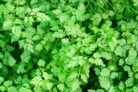
Don’t mix up your herbs! Chervil looks a lot like cilantro and parsley, but they all have very distinct flavor profiles. Give them a sniff test to be sure!