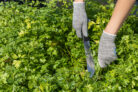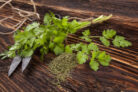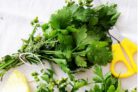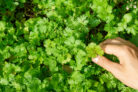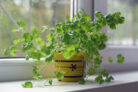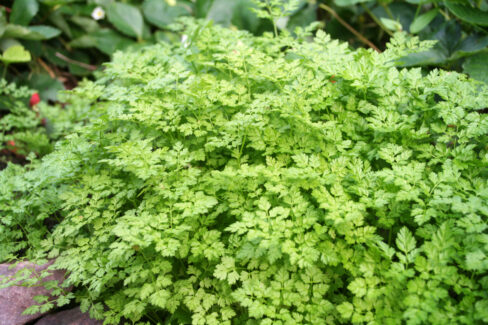
They both start with the same letter, but is that where the similarities end? If you’re new to the herb garden, you might think chervil and cilantro look like twins at first glance. And while they do share a few traits, once you get to know them, you’ll realize they couldn’t be more different!
Step One: The Leaf Test
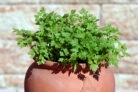
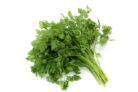
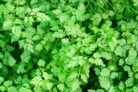
Just like the common mix-up between chervil and parsley, a quick look at the foliage usually clears things up. When you place chervil and cilantro side-by-side, the differences jump out. Chervil has delicate, feathery leaves that look a lot like tiny fern fronds. Cilantro, on the other hand, has broader, three-lobed leaves. If you look closely at the edges, cilantro’s “teeth” are softly rounded, while chervil’s leaves come to much sharper, distinct points.
Flowers and Seeds
If you get a head start and sow your chervil early, you’ll see blooms as early as June. Cilantro follows a similar schedule, flowering between June and August. During mid-summer, it almost looks like they copied each other’s homework—both produce beautiful, bright white umbel flowers (those flat-topped clusters). However, the seeds they leave behind are total opposites:
- Chervil seeds are long, slender, and black. They need light to germinate and aren’t really used in cooking.
- Cilantro seeds (known as coriander) are round, light brown spheres. They need to be covered with soil to grow and are a staple spice in kitchens worldwide.
A Battle of Flavors
With these two, what you smell is what you get. Since their scents are worlds apart, their flavors are too. Chervil is subtle and sophisticated, with notes of fennel and anise (think mild licorice). Cilantro is much bolder, hitting you with musky citrus vibes.
Which one is better? Well, that’s the great kitchen debate! Cilantro is famously polarizing—some people think it tastes like refreshing lime, while others insist it tastes like soap. Chervil is generally the “crowd-pleaser” of the two.
In the Kitchen
Cilantro is the superstar of Asian and Latin American cuisine. Here in the States, we love using the fresh leaves and the ground seeds for everything from street tacos and salsas to curries and rice dishes. Chervil is a bit more “French Bistro.” Only the green leaves are used, and they are perfect for elevating delicate sauces, stews, spring soups, omelets, and light poultry dishes.
Pro Tip:
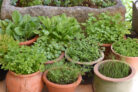
If you find the perfect spot in your garden, growing chervil can result in a massive harvest. If you have too much to use at once, don’t worry—both chervil and cilantro freeze beautifully. Avoid drying them, though, as both herbs lose almost all their magic flavor once they’re dehydrated.