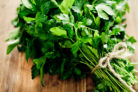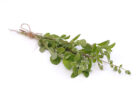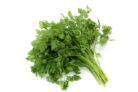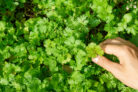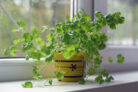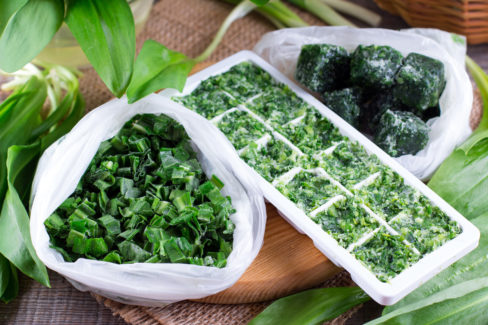
If you don’t have fresh parsley on hand, frozen leaves are definitely your best bet. They pack way more flavor than the dried stuff you find in the spice aisle. That said, freezing herbs correctly can be a little tricky. Let’s dive into how to get it right so your home-cooked meals stay delicious.
Time for a Big Harvest
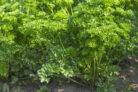
Perennial parsley can be harvested pretty much year-round, as long as the ground isn’t frozen. Since this herb tastes best fresh, there’s usually no rush to freeze it. However, once fall hits, it’s a smart move to harvest all your leaves before the first hard frost sets in. If your parsley is in its second year, make sure to clear it out before it blooms in June or July. Once it flowers, the plant produces apiol—a compound that makes it unsafe to eat.
If you’re just keeping fresh sprigs in the fridge, you’ll want to use them up within 3 to 4 days. For those big harvests from the garden or giant bunches from the grocery store, the freezer is a much better home.
Quick Tip:
If you can’t freeze your parsley, drying is an option. Just make sure to do it gently at low temperatures so the herb holds onto at least some of its signature aroma.
Prepping Your Herbs
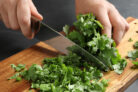
For the best flavor, cut your parsley on a dry late afternoon—that’s when the essential oils are most concentrated. Give the sprigs a good wash and let them dry completely. You can finely chop the parsley before freezing, or simply tie small bunches together if you’re in a hurry.
Quick Tip:
If you freeze whole sprigs in a freezer bag, they become brittle once frozen. You can actually “chop” them without opening the bag—just crumble the leaves with your fingers from the outside!
Freezing Pro-Tips
Here’s a quick checklist to make sure your parsley stays fresh in the freezer:
- Use plastic containers or freezer bags.
- For an eco-friendly option, glass jars with screw-on lids work great.
- Portion out your parsley into usable amounts beforehand.
- Make sure everything is airtight.
- Squeeze as much air as possible out of freezer bags.
- Feel free to mix in other herbs to create your own custom blends.
- Don’t forget to label your containers with the contents and the date!
Parsley Ice Cubes
One of my favorite hacks is to put finely chopped parsley into an ice cube tray and top it off with a little water. These “soup cubes” are super convenient. Once they’re frozen solid, pop them out and store them in a freezer bag for easy grabbing.
How to Use Frozen Parsley
Frozen parsley stays good for about six months. The best part? You don’t even need to thaw it. Just toss it straight into whatever you’re cooking. To keep the flavor bright, add it right at the end of the cooking process. If you sow new parsley every year, your fresh crop should be ready right around the time your frozen stash starts to run low.
Freezing Parsley Root
Parsley roots aren’t ready for the spotlight until fall when they’ve developed their full flavor. You can harvest them as needed until the ground freezes solid. If a deep freeze is in the forecast, dig them all up. They store well in a cool, frost-free spot indoors (just don’t wash them until you’re ready to use them). Freezing can dull their flavor a bit, but it works in a pinch. Just clean them, chop them up, and pack them into a freezer-safe container. No need to blanch them first, though doing so can speed up your cooking time later on.