At first glance, a chestnut tree looks like a total powerhouse—sturdy, towering, and seemingly invincible. But even these giants have their weak spots, and unfortunately, a few specific pests can really do a number on their health. If you’ve noticed your tree looking a bit under the weather, don’t worry! I’ve put together a guide on how to spot these uninvited guests and what you can do about them.
Common Chestnut Pests to Watch For
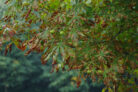
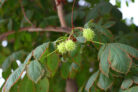
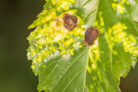
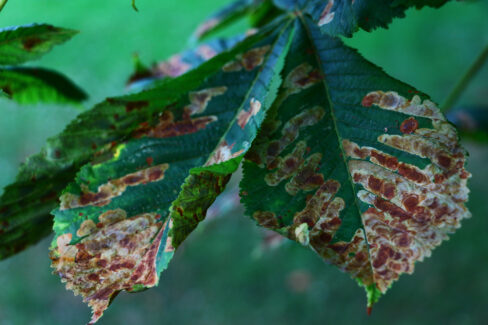
The most famous troublemaker is definitely the Horse Chestnut Leaf Miner. The larvae of this moth tunnel through the leaves, which messes with the tree’s ability to move water and nutrients around. You’ll usually spot this as brown spots on the foliage. While a leaf miner infestation usually won’t kill the tree outright, it definitely makes it look sickly and weakens its overall vigor. While Horse Chestnuts are the favorite target, other varieties aren’t always safe either.
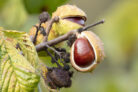
Then we have the Chestnut Weevil, which is a major headache for anyone growing Sweet Chestnuts. This guy doesn’t just hurt the tree; he’ll ruin your harvest, too. The real issue is the larvae. The beetles lay their eggs on the fruit, and the larvae eat the chestnuts from the inside out. Simply picking up the fallen nuts won’t fix it, either—these pests love to overwinter in the soil and come back for round two next year.
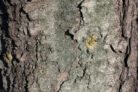
Finally, there’s the Chestnut Tortrix Moth (or Chestnut Leaf Roller). There are early and late-season versions of this pest, and both are bad news for the fruit. The late-season larvae hide out in the soil over winter, while the early-season ones develop right under the tree bark. This causes significant bark damage, which unfortunately opens the door for fungi and other tree diseases to move in.
How to Fight Back
I’ll be honest: there isn’t a “magic spray” to stop an active infestation in its tracks. However, you can make a huge dent in their population with some good old-fashioned preventative maintenance. If you notice leaves or nuts dropping way before the usual harvest time, that’s a major red flag.
The best thing you can do is rake up and dispose of all fallen leaves and fruit immediately. If your local laws allow it, burning them is the most effective way to kill the larvae. Whatever you do, don’t put them in your backyard compost pile! The larvae will just cozy up in the warmth of the compost and emerge even stronger next season.
Chestnut Pest Checklist
- Always keep an eye out for bark damage or weird leaf discolorations.
- Horse Chestnut Leaf Miner: Look for larvae disrupting the tree’s nutrient flow.
- Chestnut Tortrix Moth: Damages both the fruit and the protective bark.
- Chestnut Weevil: Eats the nuts from the inside, ruining your harvest.
- Pro Tip: If leaves or nuts drop early, you likely have a pest problem.
- Cleanup: Always remove and (if possible) burn infested plant debris to break the life cycle.