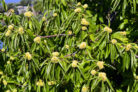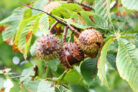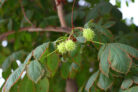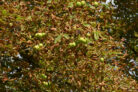
A towering chestnut tree is truly a sight to behold. It’s no wonder so many gardeners dream of growing one in their own backyard! While most care tips for these beauties are pretty straightforward, there’s one topic that always sparks a bit of a debate in the gardening community: pruning.
Pruning Your Chestnut Tree
To prune or not to prune? That is the question. You’ll find some folks who are strictly “hands-off,” while others insist that a good trim is essential for the tree’s health. Both sides have some solid points, and ultimately, the choice is up to you as the tree’s caretaker. To help you make the best call for your yard, I’ve broken down both perspectives below.
The Case Against Pruning
Those who advise against pruning are usually worried about the tree’s health—and for good reason. Every cut you make creates an open wound, which can act as an entry point for fungi and pests. Plus, if your tools aren’t perfectly clean, you risk transferring pathogens directly into the tree’s system.
Why You Might Want to Prune
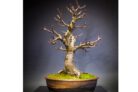
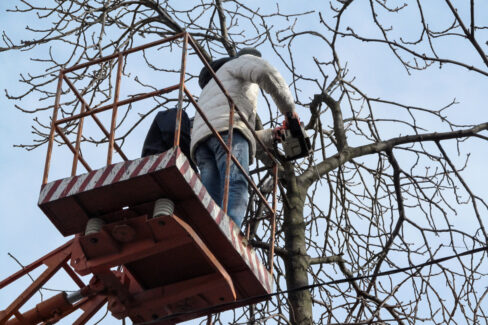
On the flip side, proponents argue that pruning actually boosts a chestnut’s well-being. By clearing out diseased or dead wood, you’re helping the tree stay strong and vibrant. Strategic cuts also allow you to shape the tree and manage its growth. And if you’re growing a chestnut in a container, pruning isn’t just a suggestion—it’s a necessity to keep it manageable!
Pro Tips for a Successful Trim
If you do decide to pick up the shears, there are a few golden rules to follow. First and foremost: keep it clean! Always use disinfected tools to prevent spreading disease. You’ll also want to make sure your blades are razor-sharp; dull tools tear the wood, causing unnecessary stress and damage to the tree.
Try to stick to cutting branches that are less than two inches (five centimeters) in diameter whenever possible. Start by removing any dead, diseased, or dried-out wood, as well as “water sprouts” (those vertical shoots that suck up energy). You can also thin out weak side branches. Aim for a balanced, symmetrical look, and fix any lopsided areas as you go. Trust me, a little regular maintenance while the tree is young makes for a much easier job once it’s fully grown!
Pruning Chestnuts: The Bottom Line
- There are valid pros and cons to consider before you start cutting.
- The Downside: Pruning can potentially open the door to diseases.
- The Upside: It promotes long-term health and lets you control the tree’s shape.
- Always use sharp, sterilized tools for every cut.
- Prioritize removing dead or sickly branches first.
- Aim to only cut branches smaller than two inches in diameter if you can.