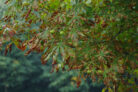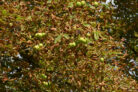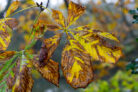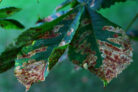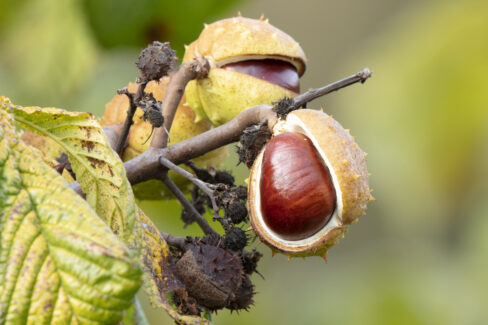
Under the right (or rather, wrong) conditions, the horse chestnut can fall victim to various fungal infections. In this post, I’ll walk you through the most common diseases that affect these beautiful trees. If you catch the signs early and treat them properly, you can nurse an ailing tree back to health and save it from the brink.
Dealing with Chestnut Blight
Chestnut blight is a serious disease caused by a fungus that sneaks in through cracks or wounds in the bark. Once inside, it feeds on the tree’s sap, eventually cutting off its nutrients until the tree dies. You’ll know you’re dealing with blight if you see yellowish patches on the bark. Over time, the bark will start to crack and may even begin to peel away in chunks.
This fungus spreads fast and can even travel through the air to infect neighboring plants. That’s why you need to act quickly! Prune away all affected areas of your planted chestnut tree, cutting back until you reach healthy wood. Be sure to apply a wound sealant to the fresh cuts. To prevent the fungus from spreading, burn the clippings or dispose of them in a sealed yard waste bag.
Here’s what you’ll need for the job:
- Gardening gloves
- A sharp, clean saw
- Tree wound sealer
Identifying and Treating Ink Disease
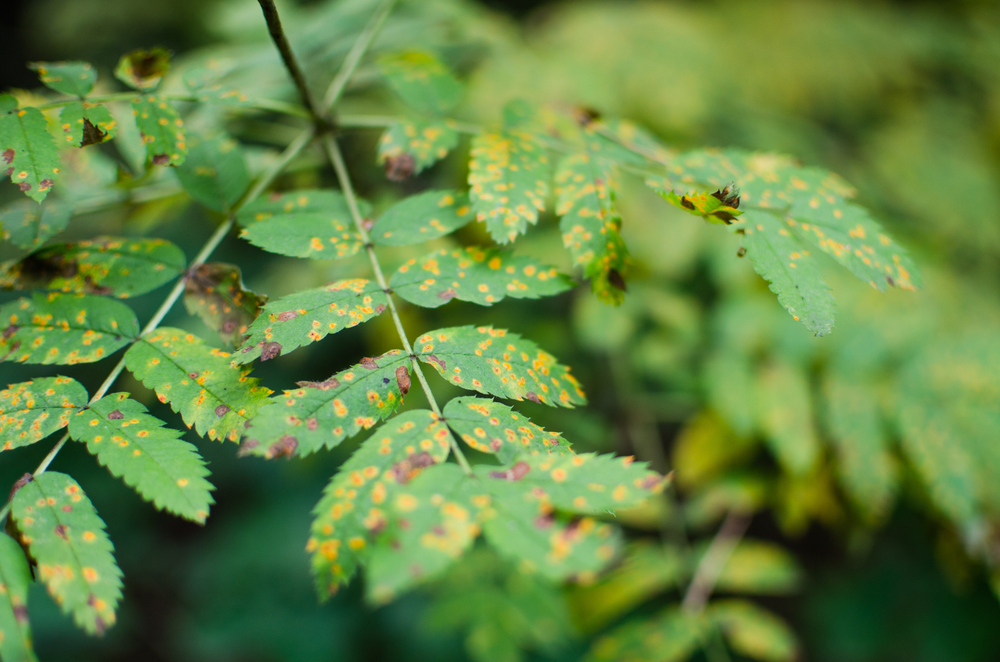
Ink disease usually shows up when the soil at your horse chestnut’s location is too compacted or has poor drainage, leading to standing water. This creates the perfect environment for a specific fungus to attack the root system, choking off the tree’s water and nutrient supply. Above ground, you’ll notice thinning or bald spots in the tree’s canopy.
Another tell-tale sign is a dark, liquid discharge seeping from spots on the trunk—it looks a lot like spilled ink. To get this under control, try spreading chicken manure over the root zone. If you catch it early enough, the manure can actually help kill off the fungus over time.
How to Handle “Bleeding” Cankers
There’s another type of fungus that causes a reddish fluid to ooze from the chestnut tree, which can look a bit like the tree is bleeding. This is a serious threat to the plant’s health. If left untreated, it will first weaken the leaves and eventually lead to the death of the entire tree. Just like with blight, the best course of action is a clean pruning of the infected areas followed by a professional-grade wound sealant to protect the cuts.