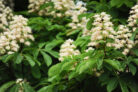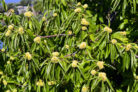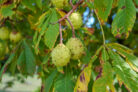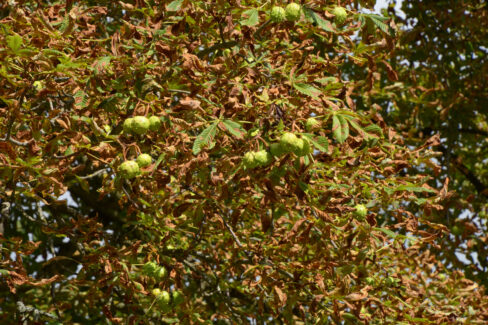
A chestnut tree in full bloom is honestly a sight to behold. But when those leaves start sporting ugly brown spots? Yeah, that’s a real mood killer. Beyond just looking messy, those spots can actually signal some trouble for your tree’s health, so you’ll want to jump on the problem sooner rather than later.
Why Is My Chestnut Tree Turning Brown?
First things first: you’ve got to play detective. To fix the problem, you need to know what’s causing it. Sometimes, it’s as simple as a little too much sun. Even though the ideal location for a chestnut is a sunny spot, these trees don’t handle extreme drought or scorching heat waves very well. This is especially true if you’re growing a chestnut in a container.
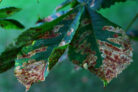
Another common culprit is the Horse-Chestnut Leaf Miner. These tiny larvae tunnel through the leaves (creating what pros call “mines”), which messes with the tree’s ability to move water and nutrients around. While a healthy tree usually won’t die from this right away, it definitely gets stressed out, making it way more vulnerable to other diseases. Plus, don’t expect a great harvest of chestnuts if the tree is struggling.
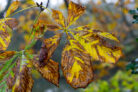
Then there’s the fungal side of things. A fungus called *Guignardia aesculi* causes what we call leaf blotch. You’ll recognize this by reddish-brown spots with bright yellow borders that can grow several inches wide. If the leaves are starting to curl up and shrivel, you’re likely dealing with a pretty heavy infection, often referred to as “leaf roll.”
How to Fight Back
I’ll be honest with you: treating a large chestnut tree directly can be tricky. While there are some chemical treatments for leaf miners out there, many aren’t great for the environment (and some aren’t even legal depending on where you live). Because of that, your best bet is playing defense with some solid prevention.
The absolute most important thing you can do is rake up and get rid of fallen leaves. This is where the larvae and fungal spores hide out for the winter. Just a heads-up: these pests are tough. They can survive a standard backyard compost pile unless it gets hotter than 140°F (60°C). If you can’t burn the leaves or ensure a hot compost, it’s better to bag them and send them off with the yard waste.
Pro tip: Local birds are starting to realize that leaf miner larvae are actually a pretty tasty snack! Keeping a bird-friendly garden is a great, natural way to keep the pest population in check.
Brown Spots on Chestnuts: The Quick Rundown
- Sometimes it’s just a simple case of sunburn or heat stress.
- Leaf miner larvae are a major cause of brown, tunneled leaves.
- These pests starve the tree of nutrients and weaken its immune system.
- Fungal infections (leaf blotch) cause large spots with yellow halos.
- Prevention is your best weapon—keep your tree’s area clean!
- Always dispose of fallen leaves carefully to stop the cycle of infection.