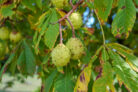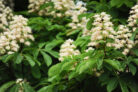
Horse chestnuts and sweet chestnuts are absolute autumn classics. They can be a stunning addition to your own backyard, too—as long as you give them what they need to thrive. The most important thing to get right? Picking the perfect spot.
Finding the Right Spot
Even though these two trees aren’t actually related (despite sharing the name!), their preferences are pretty similar. You can’t go wrong with a sunny, warm spot on your property. Sweet chestnuts, in particular, love the heat; while they can handle a light frost, they really prefer consistent temperatures above 50°F. Just a heads-up: if you hit a long dry spell without rain, the leaves can actually get a bit of “sunburn,” which shows up as brown patches.
Give Them Some Elbow Room
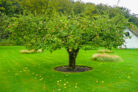
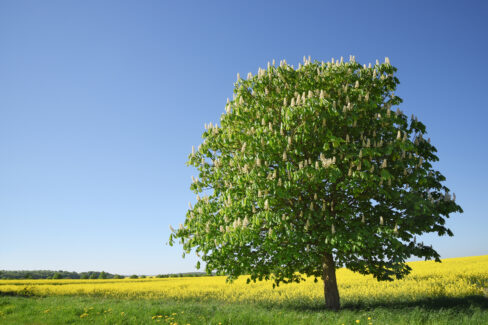
Chestnut trees are famous for their impressive, stately look. Depending on the specific variety, a Horse chestnut can reach anywhere from 30 to 100 feet tall. Sweet chestnuts are just as ambitious, often hitting that 80-to-100-foot mark. Naturally, a tree that tall needs a massive canopy, which means it needs plenty of space. Before you plant, double-check that your yard can actually handle a giant. Fun fact: if you love the look but don’t have the acreage, almost all chestnut varieties can be grown as a bonsai!
Can You Move Them Later?
Getting the location and spacing right the first time is crucial because chestnuts are total homebodies—they hate being moved. You should only consider transplanting one if it’s absolutely necessary. If you do have to move it, the sooner, the better. The younger the tree is, the better it will handle the “move.” If you realize the spot you picked isn’t working out, don’t wait—act fast while the tree is still small.
Quick Summary: Choosing Your Chestnut’s Home
- Aim for a bright, sunny location.
- Sweet chestnuts like it a little warmer than Horse chestnuts.
- Both varieties can grow to be massive, so plan for plenty of vertical and horizontal space.
- Avoid transplanting older trees whenever possible.
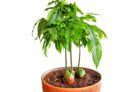
- Beyond the backyard or a bonsai pot, some species can even thrive as an indoor plant.