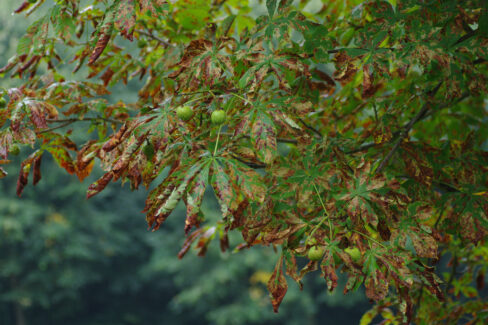
With its massive canopy and sturdy trunk, a chestnut tree feels like a permanent fixture in the landscape—a real rock in the garden. But even these giants have their weak spots. Unfortunately, there are a few nasty diseases and pests that can really put a chestnut tree in danger. In this post, I’ll walk you through exactly what you need to keep an eye on.
Chestnut Tree Diseases
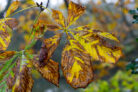
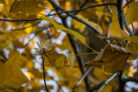
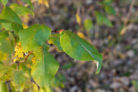
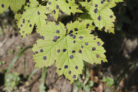
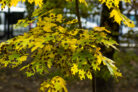
To be honest, chestnut trees are a bit of a magnet for trouble. You’ve got to be a bit of a “tree detective” and watch for red flags. If you notice things like brown leaves or cracked, splitting bark, your tree is trying to tell you something is wrong. Your first step is figuring out the culprit. While you can’t always fix the damage once it’s done, knowing what you’re up against helps you take the right preventative steps to keep your tree standing tall for years to come.
Pests, Bacteria, and Fungi
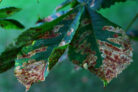
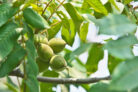
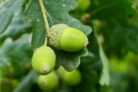
The Horse Chestnut Leaf Miner is a classic headache for tree owners. While it loves Horse Chestnuts most, other varieties aren’t always safe. These tiny larvae tunnel through the leaves, messing up the tree’s ability to move water and nutrients around. It makes the tree look pretty rough, but unlike some fungal infections, it’s usually not an immediate death sentence—it just really wears the tree down. If you’re seeing damage on the actual nuts, you’re likely dealing with the Chestnut Tortrix moth or the Chestnut Weevil.
Then there’s the scary stuff: Chestnut Blight. This is one of the worst things that can happen to your tree. It’s caused by a fungus that sneaks in through wounds in the bark. Once it’s in, it kills off branches and will eventually take down the whole tree if you don’t step in. You might also hear about “Bleeding Canker,” which is caused by bacteria and is just as dangerous for the tree’s survival.
Ink Disease is another fungal foe to watch out for, especially if your soil stays soggy. This fungus thrives in wet feet, so while chestnuts like moisture, good drainage is a must to stop spores from spreading. It rots the roots and the base of the tree, oozing a dark, ink-like liquid (hence the name). Sadly, young trees don’t have much of a defense against this and can go downhill pretty fast.
Prevention and Treatment
If you spot a fungal infection, you’ve got to be brave and act fast. Prune away the infected branches immediately, making sure to cut back into the healthy wood. Fun tip for Ink Disease: some gardeners swear by spreading chicken manure around the base, as it can help kill off that specific fungus.
But as we always say in gardening, an ounce of prevention is worth a pound of cure. Since many pathogens enter through “wounds,” keeping the bark healthy is your top priority. A white lime wash can help seal the bark and make it more resilient. Also, whenever you’re pruning, always disinfect your tools! To stop pests from overwintering, be sure to rake up and burn fallen leaves. And don’t forget your feathered friends—birds love snacking on these pests, so try to make your garden bird-friendly!
Chestnut Diseases: The Quick Rundown
- Keep an eye out for changes in the bark or leaves—those are your early warning signs.
- Bark damage is the most common “open door” for bacteria and fungi.
- Pests, bacteria, and fungi are the three main troublemakers.
- Some fungal and bacterial infections can be fatal if ignored.
- You can fight back by pruning away infected sections quickly.
- Prevention (like tool hygiene and bark care) is the best way to keep your tree healthy.