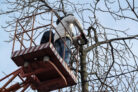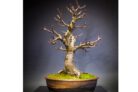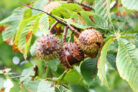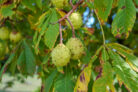
There’s a lot of debate in the gardening world about whether you should actually prune a horse chestnut tree. While there are definitely some perks to a good trim, it’s not without its risks. Here’s the lowdown on the pros and cons, plus some tips on how to get the job done right.
The Risks of Pruning a Horse Chestnut
If you aren’t careful with your cuts or fail to treat the tree properly afterward, you might run into some trouble. Any opening in the bark is basically an open door for various fungal diseases and pests. Chestnut blight (bark cancer) is a major concern here. To keep these risks at a minimum, many gardeners follow a “less is more” rule when it comes to pruning horse chestnuts.
That said, there are times when pruning a planted horse chestnut is absolutely necessary. You’ll definitely want to clear out dead branches or step in if you spot an active fungal infection. You might also need to pick up the saw if the branches are crossing and rubbing against each other, or if a storm has caused some damage. In these cases, knowing the right technique is key.
How to Prune Your Tree
If you’re looking to clear out dead wood or help the tree maintain a beautiful, balanced shape, timing is everything. Your best bet is to prune between February and March. Ideally, you want the temperature to stay below 40°F (about 4°C) immediately after you cut; this cold snap actually helps lower the risk of a fungal infection. Of course, picking the perfect spot to plant your tree in the first place will also help it stay strong and resilient.
Pruning tips based on the tree’s age:
- Young trees can handle a more significant “haircut” to help shape them.
- For older, established trees, stick to removing thinner branches.
- With mature trees, your main goal should just be thinning out the canopy for better airflow.
A few more pro tips for whenever you decide to prune: always use sharp, clean tools to prevent tearing the bark. Make sure your cuts are smooth and flush with the trunk. For larger wounds, you might want to consider applying a pruning sealer to give the tree an extra layer of protection while it heals.