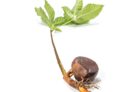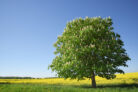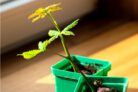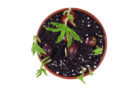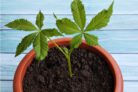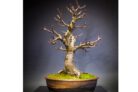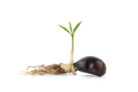
When most people hear the word “chestnut,” they picture a massive, towering tree in a park. But here’s a pro tip: you can actually grow certain varieties right in a container! Whether you have a sunny patio or a cozy living room corner, I’ll show you exactly how to make it happen.
Choosing the Right Variety
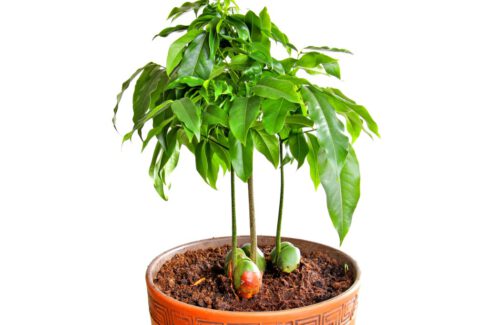
If you’re looking for the perfect potted companion, the Australian Chestnut (also known as the Black Bean tree) is a fantastic choice. It’s a super popular houseplant because it loves the warmth of a living room, though it does enjoy a little “summer vacation” outdoors when the weather is nice. It can grow up to 6 feet tall, so make sure you give it some elbow room! While it won’t bloom indoors, its lush, deep green foliage adds a beautiful, fresh vibe to any room.
You can also grow Horse Chestnuts or Sweet Chestnuts in pots, but you’ll need to be a bit more strategic. These trees have long taproots that need plenty of vertical space, so go for a deep container. To prevent root rot, a drainage hole and a solid layer of gravel at the bottom are non-negotiable. Too much moisture is often the culprit behind common chestnut diseases. Also, make sure the pot is heavy enough so your tree doesn’t take a tumble during a summer storm!
Caring for Your Potted Chestnut
When you’re growing a chestnut in a container, a little extra TLC goes a long way. While chestnuts planted in the ground are pretty self-sufficient, potted versions rely entirely on you for food and water. Regular fertilizing and watering are absolute musts to ensure your tree gets all the nutrients it needs to thrive. Don’t forget that a regular pruning session is also a great way to keep your tree looking sharp and manageable.
How to Plant Your Chestnut
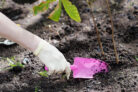
When you’re ready to plant, I recommend placing some heavy stones at the bottom of the pot right away. This does double duty: it keeps the pot stable in the wind and ensures great drainage. For the soil, mix in some organic fertilizer like compost—your chestnut will definitely appreciate the extra boost! To give your tree the best start, give the root ball a good soak or water it thoroughly immediately after planting.
Potted Chestnut: Your Quick Checklist
- The Australian Chestnut is a top-tier choice for container growing.
- Horse Chestnuts and Sweet Chestnuts can also work if you have the right setup.
- Always choose a large, heavy pot to prevent tipping.
- Make sure your drainage game is strong to avoid soggy roots.
- Don’t skip out on regular watering and fertilizing.
- Mix some compost into the soil when planting.
- Give the root ball a thorough soak to help it settle in.