Horse chestnuts aren’t the biggest fans of being moved once they’ve settled in, so you really want to get it right the first time. If you’re planning on adding one of these beauties to your yard, here’s the lowdown on finding the perfect spot and getting it into the ground the right way.
Choosing the Perfect Spot
First things first: Horse chestnuts love the spotlight. You’ll want to pick a location that gets plenty of sunlight. Sun is the engine for photosynthesis, keeping the tree’s metabolism humming along, so definitely avoid tucking it away in a dark, shady corner.
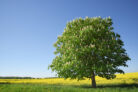
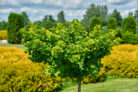
Space is the other big factor. These trees need room to breathe—and grow! A good rule of thumb is to give them as much horizontal space as their potential height. Since Horse chestnuts can reach anywhere from 30 to nearly 100 feet tall, they aren’t exactly “small garden” friendly. Keep a safe distance from house walls, property lines, and underground utility lines. Those massive root systems are powerful and can cause some real headaches if they start pushing against foundations or pipes.
When it comes to soil, these trees aren’t too picky. They don’t need a ton of extra nutrients and are great at tapping into deep groundwater. However, they absolutely hate “wet feet.” Make sure the soil drains well, as standing water around the roots can lead to trouble fast. On the bright side, you won’t have to worry much about pruning unless the tree runs into health issues down the road.
How to Plant Your Horse Chestnut
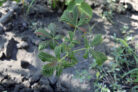
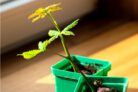
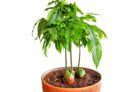
The best time to get your young tree in the ground is in the spring, once the threat of frost has passed. These saplings love the warmth and aren’t fully winter-hardy when they’re babies, so waiting until May is usually your best bet.
To give your tree a VIP start, consider:
- Adding some rich humus
- Supplementing with potassium
- Boosting with phosphorus
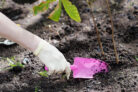
Once you’ve picked your spot, dig a hole that’s about twice as wide as the root ball. Loosen up the soil at the bottom and mix in some humus to give it that extra boost. If you want to go the extra mile, adding a bit of phosphorus or potassium will really help those roots take off. Place your tree in the hole, fill it back up with soil, and give it a good, long drink of water.