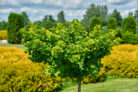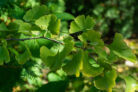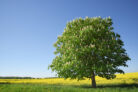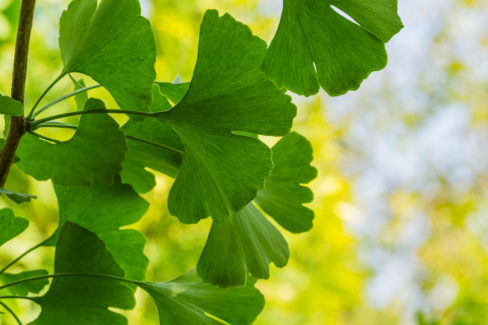
The Ginkgo tree is a total showstopper in any garden, thanks to those unique, fan-shaped leaves. If you want yours to really shine, it’s all about finding that perfect spot. Generally speaking, Ginkgos are sun-lovers—the more light they get, the happier and more beautiful they’ll grow.
Growing Ginkgo in the Ground
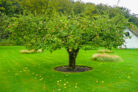
If you’re planting a Ginkgo in your yard, think sunny and warm. In those first few years, these trees tend to shoot upward pretty fast, but eventually, they’ll naturally start to fill out into a lovely rounded canopy. While you’ll still need to do a little pruning here and there, a tree planted in a sunny spot is much lower maintenance.
Keep in mind that a Ginkgo can reach heights of up to 130 feet! If you plant it in the shade, the tree will pour all its energy into growing taller as it “stretches” for the light. Trying to train a shaded Ginkgo into a nice, round shape takes a lot more work with the shears—you might even find yourself having to prune it twice a season just to keep it in check.
Growing Ginkgo in Containers
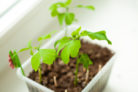
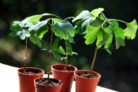
If you’re growing a Ginkgo tree in a pot, you’ve got a bit of an advantage because you can move it around to find the best light. South-facing balconies or patios are ideal spots. The main thing to watch out for here is watering. Ginkgos are a bit like Goldilocks—they don’t like the soil too dry or too soggy. I highly recommend using a moisture meter; it’s a lifesaver for knowing exactly when your tree needs a drink.
Winter Placement
Even though the Ginkgo is cold-hardy, if you live somewhere with brutal, long winters, it’s a smart move to bring your tree indoors to a frost-free spot. Your winter storage area should still be bright, but it doesn’t have to be a south-facing window; a north-facing spot works just fine.
The most important thing is the temperature. You want to keep it cool—ideally no warmer than 50°F (10°C). This allows the tree to go into its natural dormant phase so it can recharge its batteries for a big burst of growth next spring!