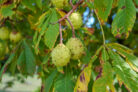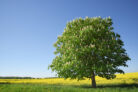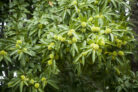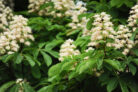
A chestnut tree is a total showstopper. Between its majestic silhouette and the deep, cool shade it provides during those scorching summer months, it’s no wonder so many of us dream of having one in our own backyard.
Finding the Perfect Spot
Most gardeners choose either the Horse Chestnut or the Sweet Chestnut to level up their landscape. Both of these beauties crave a sunny spot to really thrive. The biggest challenge, though? Space. Horse Chestnuts can reach anywhere from 30 to 100 feet tall, while Sweet Chestnuts consistently hit that 80-to-100-foot range. Their wide canopies need plenty of room to spread out, too. Trust me, you’ll want to pick your spot carefully now to avoid a transplanting headache later—or a property line dispute with the neighbors!
As for the soil, these trees prefer it well-draining and lime-free. They’re also big fans of slightly acidic soil. You’re looking for that “Goldilocks” moisture level: not too dry, but definitely not soggy. Standing water around the roots is a recipe for disaster and can lead to some pretty nasty tree diseases.
When to Plant
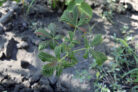
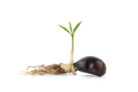
Spring is your best bet for getting a chestnut tree in the ground. By then, the frost is gone and the temperatures are mild enough for a young tree to get settled. Planting in the spring gives the tree a full growing season to establish its roots, making it much tougher when the first winter freezes roll around. If you’re growing a chestnut from a seedling yourself, wait until after its first or second winter before moving it outside. A little extra protection, like brushwood or bark mulch, can help keep those young roots cozy.
Getting Your Tree in the Ground
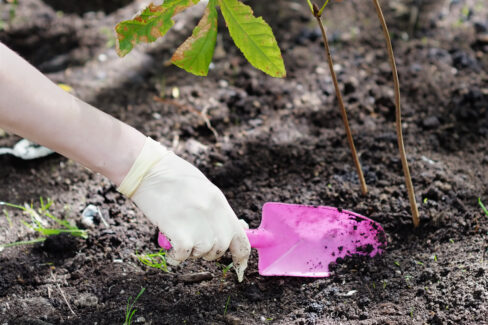
Time for a little elbow grease! Start by digging a hole that’s about twice as wide as the root ball. For the depth, use the root ball as your guide, but dig just a bit deeper to leave room for some natural fertilizer, like compost. Since chestnuts hate compacted soil, feel free to mix in some sand or gravel to keep things nice and airy.
Place your sapling in the hole, making sure it sits at the same depth it was growing at before. To give it a head start, you can soak the root ball in water before planting. Once it’s in, give it a good drink. While a mature chestnut tree is great at finding its own water, you’ll need to keep a close eye on a young tree to make sure it doesn’t dry out. Once it’s established, you can even try propagating it with cuttings.
Planting a Chestnut Tree: The Quick Version
- Choose a sunny spot for both Sweet and Horse Chestnuts.
- Soil should be well-draining, lime-free, and ideally slightly acidic.
- Spring is the best time to plant.
- Dig your hole twice as wide as the root ball.
- Match the depth to the root ball, plus a little extra for compost.
- Don’t let your young tree dry out!
- Pro tip: Nurseries often sell grafted chestnuts, which tend to be a bit hardier.