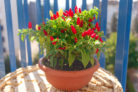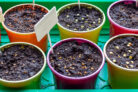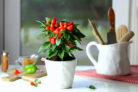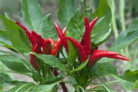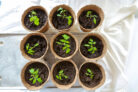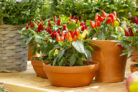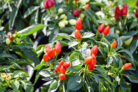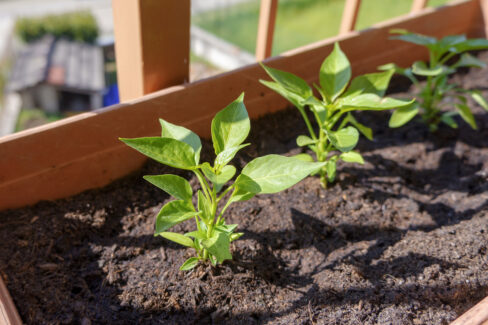
Chilis don’t need a ton of space to thrive, making them a perfect choice for balcony gardening. However, if you want a massive harvest of spicy peppers, there are a few key things you need to keep in mind regarding their setup.
The Perfect Spot
When it comes to your balcony, a spot facing southwest or southeast is usually the “sweet spot” for chilis. While you might think more sun is always better, a direct south-facing location can actually be a bit much. Intense, midday sun can lead to yellow leaves, especially for younger plants that haven’t been hardened off to that level of heat yet.
If your balcony faces due south, try to provide a little shade during the peak afternoon heat. Your plants will thank you for the break, and it significantly reduces their stress levels.
The Right Soil
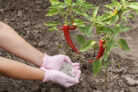
Since you’re growing in pots, choosing the right potting mix is crucial. Chilis are “heavy feeders,” meaning they crave nutrients, but they also need soil that is loose and well-draining. A great DIY mix is combining high-quality vegetable soil or compost with coconut coir. This gives them plenty of food while keeping the texture light and airy.
Don’t forget the drainage! Always add a layer of expanded clay pebbles (LECA) at the bottom of your pots. This prevents water from pooling at the roots (root rot is a real buzzkill) and helps regulate moisture levels.
Watering Habits
Chilis love the warmth, but they absolutely hate drying out. You want to keep the soil consistently moist, but never soggy—make sure there isn’t standing water sitting in the saucer. How often you’ll need to water your peppers depends on things like pot size and your specific soil mix.
Depending on how sunny your balcony gets, you might even need to give them a little water a couple of times a day. The best times to water are late morning or early evening. Pro tip: use lukewarm water! I like to leave my watering can sitting out near the plants so the water reaches air temperature. Cold water shocks the roots and can actually stunt the plant’s growth.
While you’re watering, you can also take care of feeding. Chilis should get a liquid fertilizer once a week. You can use a store-bought organic liquid fertilizer, or if you’re feeling adventurous, a homemade nettle tea. Not only does it feed the plants, but it also strengthens them against pests and diseases.