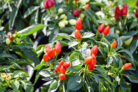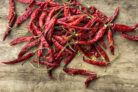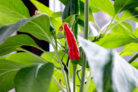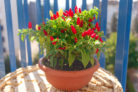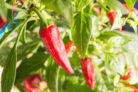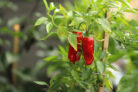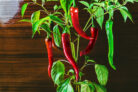
Chilis are the ultimate way to add some kick to your cooking, and with so many varieties out there, you can go from “mild and sweet” to “call the fire department” heat levels. But here’s the thing: growing your own peppers takes a bit of patience. They aren’t exactly speed demons when it comes to growth!
Choosing Your Seeds
There are literally thousands of varieties to choose from, differing in color, shape, heat level, and how long they take to ripen. That last part—the ripening time—is super important. If you aren’t able to start your chili breeding project super early in the season, you’ll definitely want to stick with varieties that mature quickly.
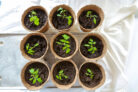
Chili seeds can take up to four weeks just to sprout, so you’ve got to get a head start. If you have the right setup, you can get your seeds in the dirt as early as February.
The Perfect Spot
Chilis are sun-worshippers. A south-facing window is ideal, preferably in a room that starts out warm and gets a bit cooler later on. However, let’s be real: not everyone has the perfect sun-drenched windowsill. If your place is a bit dark, don’t sweat it! You can easily use a grow light. You can find simple bulbs that screw into a regular desk lamp, or go all out with professional LED panels if you’re feeling serious about your harvest.
Temperature
From the moment you finish sowing your seeds until those little guys grow their first set of “true” leaves, they need to stay cozy. Aim for around 75°F (24°C) to help speed up germination.
Once you’ve thinned them out or moved them to individual pots, it’s actually better to move them to a cooler spot (around 60°F or 15°C). This keeps them from getting “leggy” and weak, encouraging them to grow nice and sturdy instead.
Watering
Chilis love the heat, but they hate dry feet! You want to keep the soil consistently moist. On the flip side, they absolutely despise sitting in soggy soil—especially when they’re young, as this can lead to root rot. If you’re growing them in pots, always put a layer of clay pebbles at the bottom for drainage. These pebbles soak up extra moisture and release it slowly, keeping the roots from drowning.
Fertilizing
One of the biggest mistakes I see when folks start growing chilis is getting the timing wrong with nutrients. You actually want to start them in a nutrient-poor seed starting mix. But once they get bigger, they become hungry little plants! Once you move them outside or get them settled in your chili greenhouse, start feeding them with a liquid fertilizer every two weeks to keep them happy and productive.