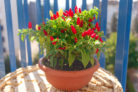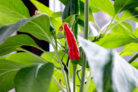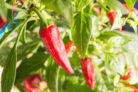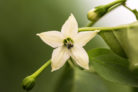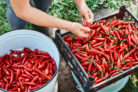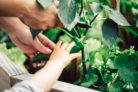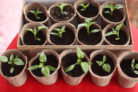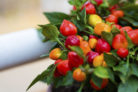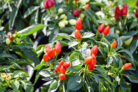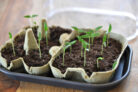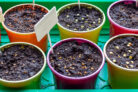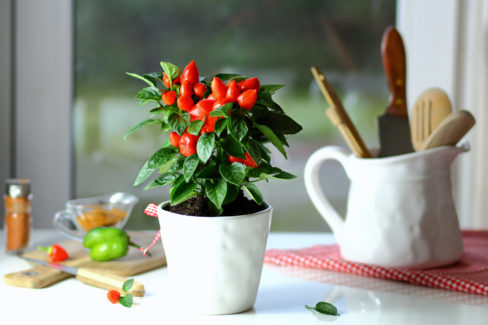
Hot peppers are definitely heavy feeders, but the good news is they don’t need a ton of elbow room! You can actually grow a great harvest in small pots as long as you stay on top of watering and fertilizing. Growing them in containers is actually a huge plus, making peppers the perfect veggie for balcony gardening.
The Right Soil
When you’re ready to plant your peppers, start with a high-quality, nutrient-rich potting mix designed for vegetables. Compost-based mixes are also a great choice. You’re looking for a soil with a neutral to slightly alkaline pH—right around 7.0 is the sweet spot. While peppers don’t mind a little lime in their tap water, they aren’t huge fans of extra lime supplements, so you can skip those.
For a little mineral boost, try mixing some rock dust into your soil. Other than that, peppers love organic matter. I recommend mixing in some horn meal or a similar organic slow-release fertilizer right into the soil when you first plant them.
Finding the Perfect Spot
Peppers are total sun-worshippers! They love warm, sunny spots. Just keep in mind that if they’re sitting in the baking sun all day, you’ll need to keep the soil consistently moist so the roots can keep up with the water evaporating from the leaves.
Try to find a spot that’s sheltered from the wind. If it’s too breezy, the plant might get stressed and focus on growing more stems to “hide” from the wind instead of producing flowers.
A great trick is to place your pots against a wall. Not only does this block the wind, but the wall soaks up heat during the day and radiates it back to your plants at night, keeping them nice and cozy.
Care and Maintenance
When you’re growing in pots, the “big two” are watering and feeding. Depending on how small your pot is, you might even need to water a couple of times a day during a heatwave. This is why I usually suggest using larger containers—they don’t dry out quite as fast. Another pro-tip: add a thin layer of straw mulch to the top of the pot to help lock in that moisture.
Since peppers are such hungry plants, you’ll want to start a liquid fertilizer routine just two weeks after planting. Feed them every two weeks throughout the growing season. A standard organic liquid veggie fertilizer works perfectly, but if you’re into DIY gardening, a homemade stinging nettle tea is a fantastic natural alternative!