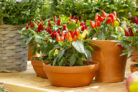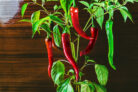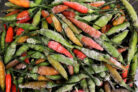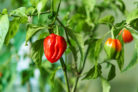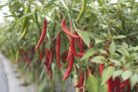
Chili peppers are heavy feeders. If they don’t get enough nutrients, you’ll notice they stay small and struggle to produce those beautiful flowers and spicy fruits we’re all after. The good news? When it comes to the *type* of fertilizer, chilis aren’t actually that picky.
Hold the Fertilizer for Seedlings
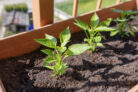
Except for the initial seed starting phase, your chilis are going to need regular feeding. While they are just starting out, you should use a “lean” seed-starting mix and skip the liquid fertilizer entirely. This rule also applies right after you’ve transplanted them into small pots. Wait until your plants are moved to their final home before you start the feeding program.
Start with Nutrient-Rich Soil
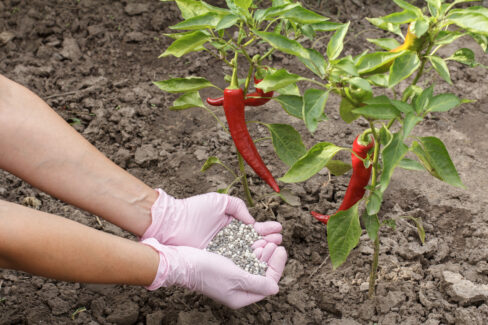
To give your chilis the best head start, make sure the soil in their permanent spot is packed with nutrients. Whether you’re growing chilis on a balcony, in a greenhouse, or right in the garden, they need plenty of fuel. Mix some good compost into the soil along with a slow-release fertilizer, like horn meal or organic granules.
If you prep your soil well at the beginning, you won’t need to worry about adding more slow-release fertilizer later in the season.
Liquid Fertilizers for a Boost
While slow-release fertilizers provide a steady trickle of nutrients, they’re mostly there to prevent major deficiencies. To keep your chilis thriving and productive, you’ll want to supplement with a liquid fertilizer.
A standard store-bought vegetable fertilizer works great. If you prefer the DIY route, you can soak fresh manure or manure pellets in water to create a “manure tea.” One of my absolute favorite fertilizers for chilis is stinging nettle tea. It’s high in nitrogen and provides a healthy dose of iron, which helps prevent yellow leaves caused by chlorosis.
How to make your own stinging nettle fertilizer:
- Harvest some stinging nettles.
- Roughly chop the leaves and stems.
- Fill a bucket about 2/3 full with the chopped greens.
- Top it off with water.
- Give it a stir every two or three days.
The tea is ready once the plant material has mostly broken down. Dilute the mixture at a 1:10 ratio with water. You can add this nettle tea to your watering can once a week to keep your plants happy!