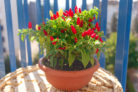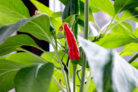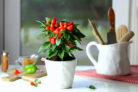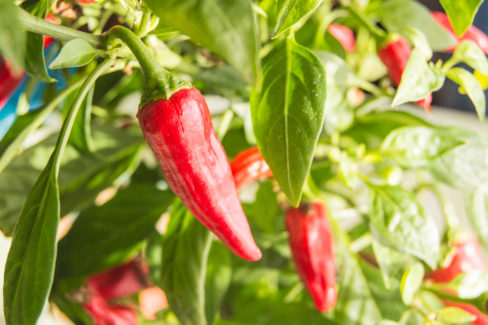
Hot peppers are a fun crop to grow, and while getting them to sprout is pretty straightforward (even if they take their sweet time!), keeping them happy until they’re ready for the garden can be a bit of a project. But don’t worry—with a few pro tips, you can grow sturdy, healthy plants from seed that will reward you with a massive harvest.
When to Start Your Seeds
You’ll want to get your peppers started indoors by February at the latest. Some gardeners like to get a head start as early as December or January, but keep in mind that if you start that early, you’ll have to keep the plants in a cool spot. Otherwise, they’ll get way too big before it’s time to move them outside and might end up a bit “leggy” and weak.
The Sweet Spot for Germination
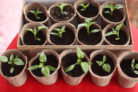
Peppers love warmth to get going—aim for a consistent temperature of around 75°F (24°C). Your warm living room is a perfect spot for the seed trays. You can leave them there for a week or two after those first little seed leaves (cotyledons) pop up. However, as soon as you see green, keep a close eye on them; if they don’t get enough light right away, they’ll stretch out and get spindly. Once they look strong enough to handle, you can transplant them into individual pots.
Choosing the Right Soil
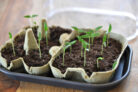
When you’re starting out, use a low-nutrient seed-starting mix. Grab a standard seed-starting soil and fill up a mini indoor greenhouse or seed tray. Sow your pepper seeds and cover them with just a light dusting of soil. During the germination phase, make sure the soil stays moist—if it dries out, the tiny seedlings might not make it. A humidity dome or greenhouse cover helps keep that moisture in, but be careful of mold! Make sure to lift the lid every few days to let some fresh air circulate.
Caring for Your Seedlings
The “growing on” phase is where the real work happens. Once you’ve moved your seedlings into their own pots, they either need cooler temperatures or a ton of light. If you keep them in a spot that’s just above 50°F (10°C), they’ll grow nice and steady. If your house is warmer, they’re going to need at least 12 hours of full daylight. Since the sun isn’t that strong in late winter, you’ll likely need to supplement with some grow lights.
When you transplant them, move them into soil that’s a bit richer, but don’t go overboard. If the soil is too “hot” (too much fertilizer), the roots won’t develop as well. A 50/50 mix of potting soil and seed-starting mix is usually the perfect “first meal” for young plants.
One of the biggest rookie mistakes is overwatering. While you don’t want the soil to go bone-dry, keeping it soggy or watering from above is an invitation for diseases like damping-off, which can cause your seedlings to just keel over. Pro tip: Always water from the bottom! Set your pots in a tray of water so the roots can soak up exactly what they need from the bottom up.