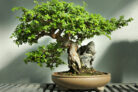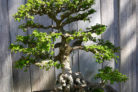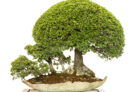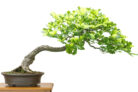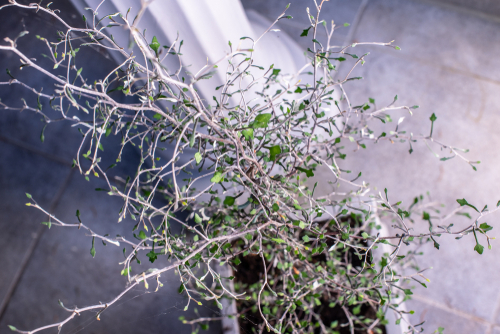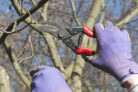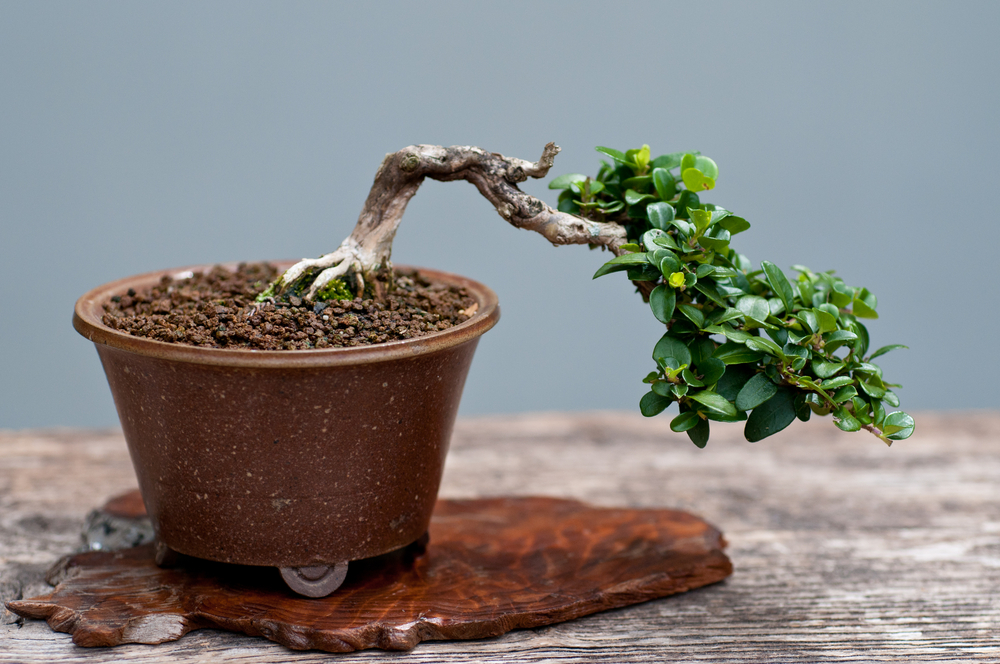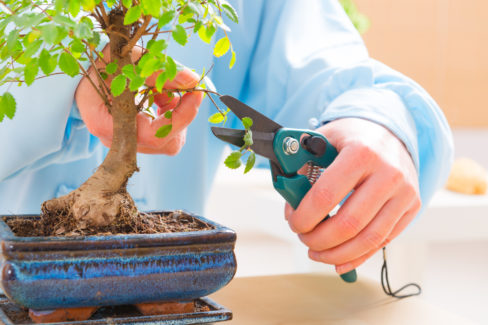
The Chinese Elm is a superstar in the bonsai world, and for good reason! It’s not just about its naturally compact size; this tree is incredibly resilient when it comes to pruning. Getting your trimming technique down is key to a beautiful bonsai—here’s everything you need to know to get started.
The Chinese Elm as a Bonsai
Not every elm species is a good candidate for bonsai life, but the Chinese Elm is practically made for it. Because it grows more slowly and stays smaller than its cousins, it’s much easier to manage in a pot. Plus, it handles a pair of shears like a champ.
A Very Forgiving Tree
One of the best things about the Chinese Elm is how tough it is. If you’re a beginner, don’t sweat it—this tree is very forgiving. Even if you get a little carried away with the scissors, it bounces back quickly, pushing out new shoots and leaves in no time.
Choosing Your Style
When it comes to styling your bonsai, the sky’s the limit! You can really let your creativity shine. Some of the most popular styles for this tree include:
- The informal upright style (curvy and natural),
- The root-over-rock style (very dramatic!),
- And the classic broom style.
When to Prune
To keep your tree looking sharp, you’ll want to do some light maintenance pruning throughout the year. Just snip back any runaway branches that are ruining the silhouette. For the bigger jobs, follow this seasonal schedule:
- Spring: Do your heavy structural pruning.
- Right after spring pruning: This is the best time for wiring.
- Fall: Thin out any thick, woody branches.
Wiring Your Bonsai
If you want to guide your branches into a specific shape, wiring is the way to go. Just keep a close eye on it—once the branch stays in place, remove the wire so it doesn’t scar the bark. That said, if you’re consistent with your pruning, you might find you don’t even need wire at all!
Don’t Forget the Roots
Chinese Elms are known for having very vigorous root systems. To keep yours healthy, plan on repotting it every two to three years. This is the perfect time for a root prune! Trim away any old, dried-out roots and give the healthy ones a little haircut. This helps keep the tree’s overall growth in check and ensures it stays happy in its small container.