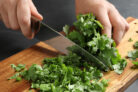
If you’re looking to add some serious kick and complex flavors to your cooking, these popular Chinese herbs are exactly what you need. Here’s a look at what makes these plants so special and why they deserve a spot in your garden.
[[planting]]
++Wild Betel Leaf (Piper sarmentosum)
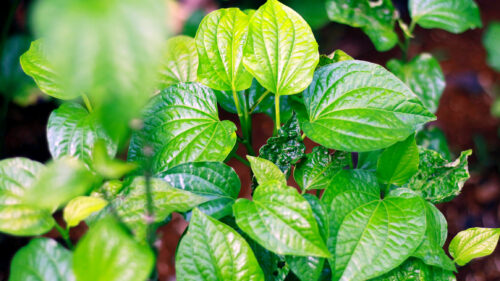
Wild Betel leaves (often called Pepper Leaves) are incredibly versatile—you can use them as a fresh herb or for wrapping and steaming meats. As the name suggests, they have a lovely peppery kick. Plus, those large, soft leaves look gorgeous in the garden! If you harvest a few, they’ll stay fresh in the fridge for about three days, but having your own plant means you can just grab what you need, right when you need it.
++Curry Tree (Murraya koenigii)
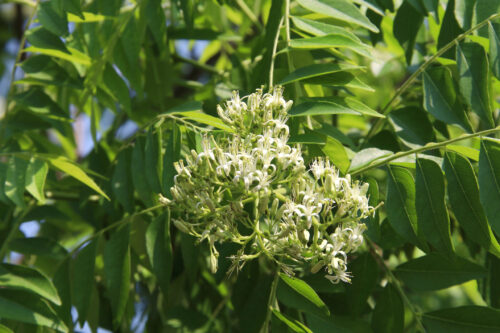
Growing a curry tree gives you access to incredibly aromatic fresh curry leaves. Just a heads up: these are totally different from the “curry powder” you find in the spice aisle. The flavor is a unique blend of smoky notes and bright citrus. They’re perfect for homemade spice blends, but you can also use them whole like a bay leaf or chop them up to mix with other herbs.
++Makrut Lime (Citrus hystrix)
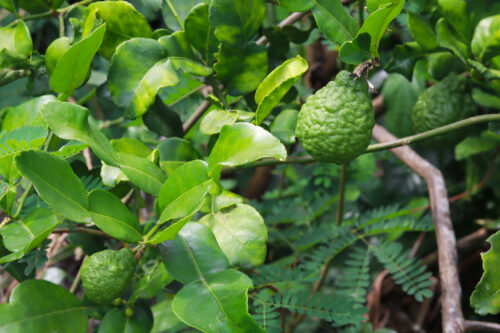
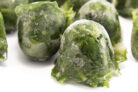
Makrut lime leaves (formerly known as Kaffir lime) are some of the hardiest herbs around. They actually freeze beautifully without losing their signature punchy flavor. In Asian cuisine, they’re a staple for elevating soups and pair perfectly with seafood. If you want that authentic “restaurant taste” at home, this is the plant to grow.
++Lemongrass (Cymbopogon citratus)
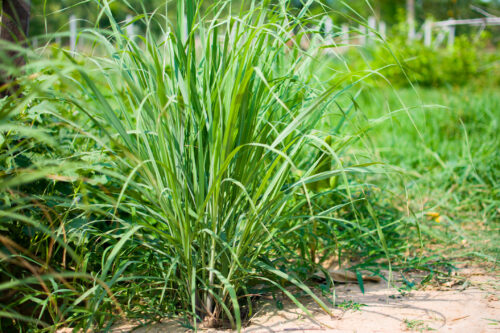
Lemongrass is a fan favorite for a reason. It brings a bright, clean citrus note to any dish. If you find some Chinese spices a bit too intense, planting lemongrass is a great way to add a milder, refreshing aroma that your dinner guests will love. It’s super versatile and definitely worth the garden space.
++Garlic Chives (Allium tuberosum)
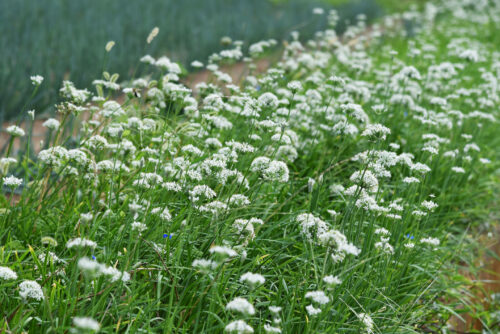
Also known as Chinese chives, these have a flavor that’s a bit more intense than regular chives—think of it as a mix between onion and ramps. They are the secret ingredient in many traditional Chinese dumplings. Once harvested, the stalks stay fresh in the refrigerator for about a week, giving you plenty of time to cook with them.
++Szechuan Pepper (Zanthoxylum piperitum)
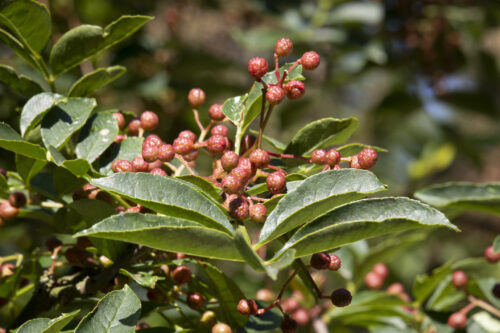
Szechuan pepper provides that iconic tingly heat that defines so many classic dishes. It’s a double-duty plant: you can grow it as a culinary herb or even prune it into a stunning bonsai tree. The small green leaves are very ornamental. Once you get a taste for the homegrown version, you might find yourself ditching the store-bought black pepper entirely!
++Cilantro (Coriandrum sativum)
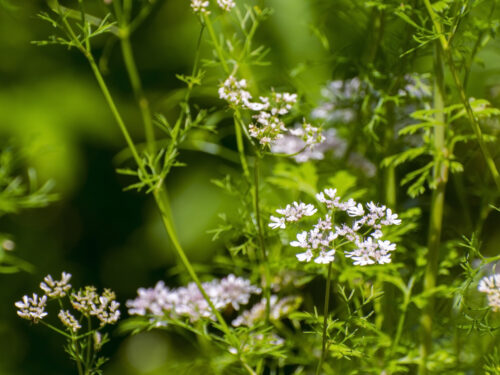
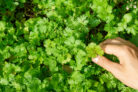
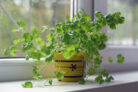
Cilantro is everywhere in Chinese cooking. It’s a bit of a “love it or hate it” herb—some people think it tastes like soap, while others can’t get enough of its bright, citrusy profile. Regardless of where you stand, it’s essential for an authentic Asian flavor experience. Growing it yourself ensures you always have the freshest leaves for garnishing.
%%Thai Basil (Ocimum basilicum var. thyrsiflora)
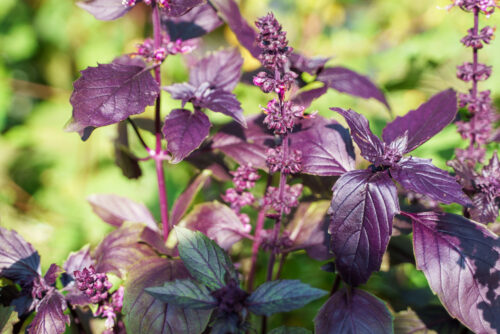
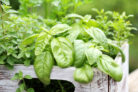
Thai Basil is another absolute must-have. Don’t expect it to taste like the sweet Italian basil you put on pizza; this variety has a distinct licorice or anise-like flavor and holds up much better to high heat. It’s a total game-changer for your stir-fries and curries.