If you love cooking with fresh herbs, you probably don’t stop at just one favorite. Most of us have a whole handful—or even a small jungle—of different varieties waiting in the garden to spice up our next meal. But here’s the thing: even though we love all our herbs equally, they don’t always feel the same way about each other. Some herbs are best friends, while others are total frenemies.
Good Neighbors Mean a Great Harvest
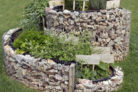
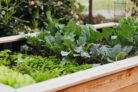
When herbs don’t get along, it’s more than just a little drama—it actually affects your harvest. Some aggressive plants will take over, while more sensitive ones will simply wither away. By learning which herbs play nice and which ones need space before you start planting, you’re setting yourself up for a much better yield. This is especially important in tight spaces where roots and leaves are bound to mingle, like in a stone herb spiral, a balcony planter, or a raised bed.
Keep Annuals and Perennials Separate
Think of it this way: annuals and perennials have different lifestyles. For annuals, you’re digging up the soil every spring to sow seeds and pulling out old roots every fall. All that digging can really stress out the root systems of your long-term perennial herbs. It’s usually best to group your annuals together, well away from the perennials. The only exception? If an annual and a perennial actually help each other out—like by warding off specific pests—then it’s totally fine to break the rule.
Common annual herbs include:
- Basil
- Dill
- Chamomile
- Chervil
- Cilantro
- Cress
- Marjoram
- Summer Savory
Match Herbs with Similar Needs
This one is pretty intuitive: if you plant a sun-worshipper next to a shade-lover, one of them is going to be unhappy. The same goes for thirsty plants versus those that prefer dry “feet.” However, when it comes to nutrients, you might actually want to separate two “heavy feeders” so they don’t exhaust the soil too quickly.
Herb Pairings That Work (The Besties)
- Mediterranean herbs generally love being together
- Basil with parsley, oregano, and rosemary
- Parsley with dill, garden cress, basil, chervil, or chives
- Chamomile with dill, chervil, and marjoram
- Thyme with savory, borage, tarragon, and cilantro
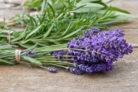
- Savory, lavender, and hyssop
Pairings to Avoid (The Frenemies)
- Parsley with tarragon, chervil, cilantro, lavender, and mint
- Basil with dill, marjoram, peppermint, and lemon balm
- Chamomile with mint or parsley
- Cilantro with chervil and chives
- Thyme with marjoram and mint
- Wormwood with lemon balm and caraway
The “Loners” That Need Their Own Space
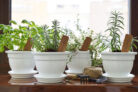
Sometimes, it’s not about personality—it’s about space. If you have the room, plant aggressive spreaders like peppermint off on their own so they don’t choke out your other plants. Herbs like wormwood, lovage, bay laurel, and southernwood are also better off as solo acts. Pro tip: plant these in large pots or containers to keep their roots from taking over the whole garden.
Flavor vs. Friendship
Just a quick heads-up: just because two herbs don’t grow well together doesn’t mean they don’t taste great together! Thyme and marjoram are a perfect example—they are a culinary match made in heaven, but they definitely need their own separate spots in the garden bed.