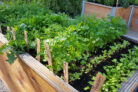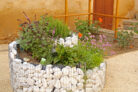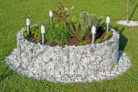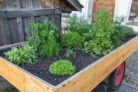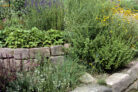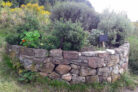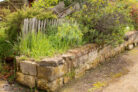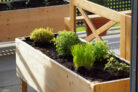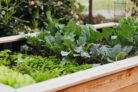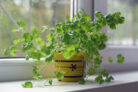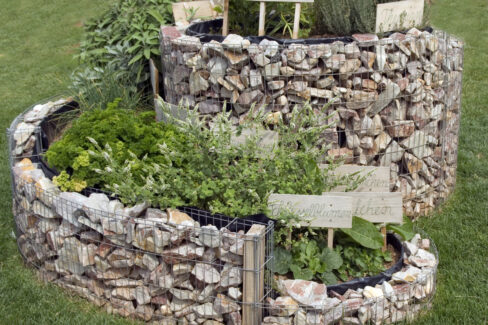
I’m going to go out on a limb here and bet that every gardener has dreamed of having a herb spiral at some point. And why wouldn’t they? A herb spiral (sometimes called a herb snail) is a total showstopper in any backyard. But once you’ve got the structure built, the big question is: what do you plant, and where does it go?
It’s Not Just the Materials—Location is Everything!
Whether you decide to build your herb spiral from fieldstones, bricks, or pre-cast concrete planters, the material isn’t nearly as important as the spot you pick. To get those herbs thriving, you need to find the perfect location. Most herbs are total sun-worshippers. If you tuck your spiral away in a shady corner, they’ll struggle to grow, and more importantly, they won’t develop those fragrant essential oils we love so much.
Quick Tip:
To ensure a bumper harvest, pay attention to the orientation of your spiral. Ideally, the opening at the bottom should face South to soak up as much sun as possible.
Which Herbs Love a Herb Spiral?
In theory, you can plant your herb spiral with whatever your heart desires. However, keep in mind that “space hogs” like lovage, mint, tarragon, nasturtium, and comfrey should really only go into very large spirals; otherwise, they’ll take over the whole neighborhood! Annuals can also be a bit tricky because replanting them every year disturbs the soil, which the perennial herbs don’t appreciate. If you can’t live without your annuals, try to group them together in one spot to minimize the disruption.
Where Should Each Herb Go?
The magic of a herb spiral is that it creates different microclimates. It’s generally divided into three zones that get progressively moister as you move from top to bottom. Here’s how to map it out:
- The Upper Zone (Dry/Sunny): Savory, marjoram, thyme, rosemary, sage.
- The Middle Zone (Semi-Moist): Tarragon, oregano, arugula, hyssop.
- The Lower Zone (Moist): Watercress, dill, lovage, caraway, mint, parsley, chives, lemon balm.
A Note on Rosemary and Basil
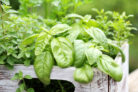
Rosemary and basil are kitchen staples, but they need a little extra TLC. Rosemary isn’t a fan of hard freezes and can die off during a rough winter. You’ll either need to pot it up and bring it indoors for the winter or treat it as an annual. Basil, on the other hand, is a thirsty, hungry plant. It usually does much better in its own dedicated spot outside the spiral where it can get plenty of nutrients and consistent moisture.
Don’t Forget Healing Herbs and Wild Greens!
Still have a few gaps to fill? These are perfect spots for medicinal herbs like arnica, lady’s mantle, St. John’s wort, or yarrow. You might even consider “wild” herbs like chickweed, ground ivy, or galinsoga—they are packed with vitamins and minerals and are often ready to harvest early in the spring. Even alpine strawberries love the sunny life on a herb spiral, just make sure they aren’t shaded out by taller neighbors!