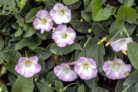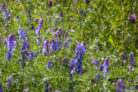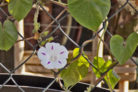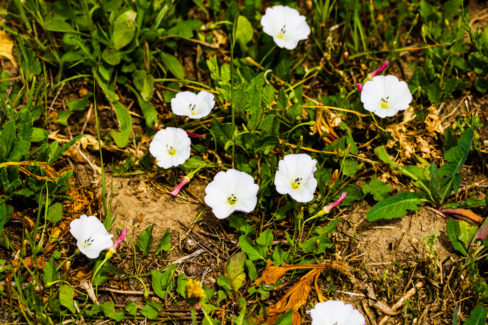
Bindweed is the ultimate garden hitchhiker—it’ll grab onto anything in its path. And if it can’t find something to climb? It’s perfectly happy crawling across the ground. Don’t let those pretty, trumpet-shaped flowers fool you; to almost every gardener, this plant is a stubborn weed that needs to go, ASAP.
How Bindweed Takes Over
It’s like bindweed knows it’s not on our “favorite plants” list. To survive our best efforts to get rid of it, it has developed a few clever ways to stay alive. Even if you go on a total weeding rampage, a tiny piece is usually left behind to start the cycle all over again. Bindweed spreads through:
- Seeds
- Runners (above-ground stems)
- Root sprouts (underground)
Why Bindweed is Such a Headache
With its tangled web of vines and aggressive roots, bindweed can wreak havoc on your garden beds. Below the surface, its roots almost always win the fight for space and nutrients, essentially “starving” your vegetables. Above ground, those delicate-looking vines tightly coil around your other plants, smothering them until they can’t grow properly.
What Can You Do About It?
The best strategy is to pull hedge bindweed out—roots and all—the second you spot it. Better yet, grab a shovel and dig it out to make sure you’re getting every last bit of the root system. If you just snap off the vines, the plant will bounce back from the remaining roots in no time. Keep a close eye on the area and stay consistent with your weeding.
If you have a massive patch of bindweed, you can try “smothering” it by covering the area with a heavy black tarp or landscape fabric for an extended period. Just a heads-up: bindweed is a survivor, and even this (or chemical weed killers) isn’t always a 100% guarantee.
Hedge Bindweed vs. Field Bindweed
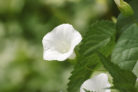
Field bindweed usually has pale pink to bluish funnel-shaped flowers and long, arrow-like leaves. You’ll mostly see it in open fields, but it’s not shy about moving into backyard gardens. Hedge bindweed, on the other hand, has rounder leaves and larger, pure white flowers. While they look a bit different, they’re both invasive nuisances that require the same tough-love approach.
Pro Tip:
As pretty as they look, keep the hedge bindweed flowers out of your kitchen. Despite what you might hear, this plant is not edible, though it does have a history in traditional herbal medicine.