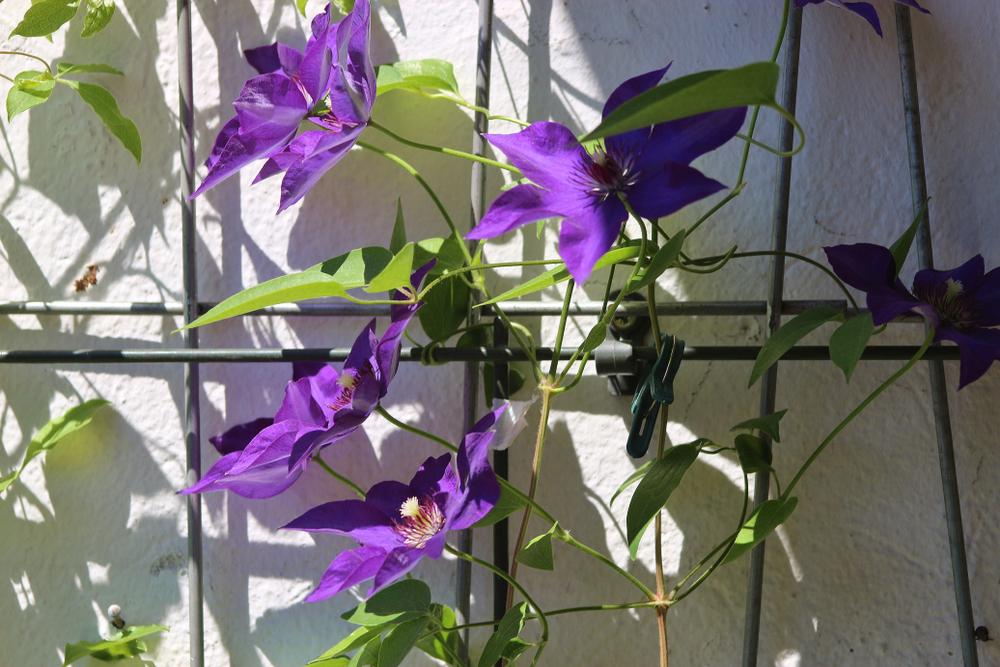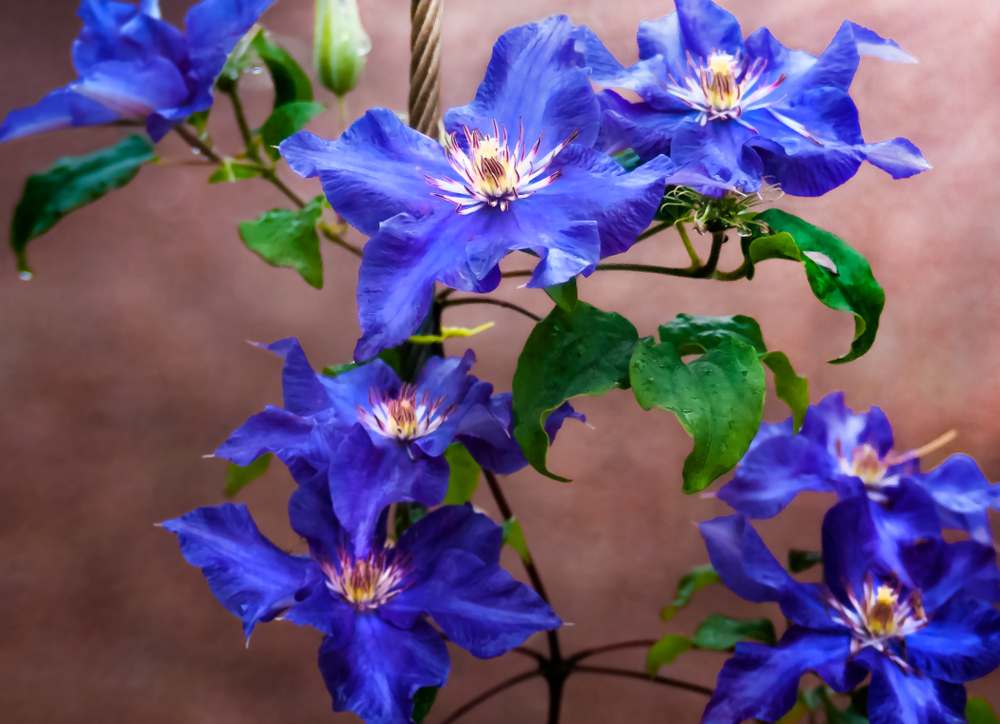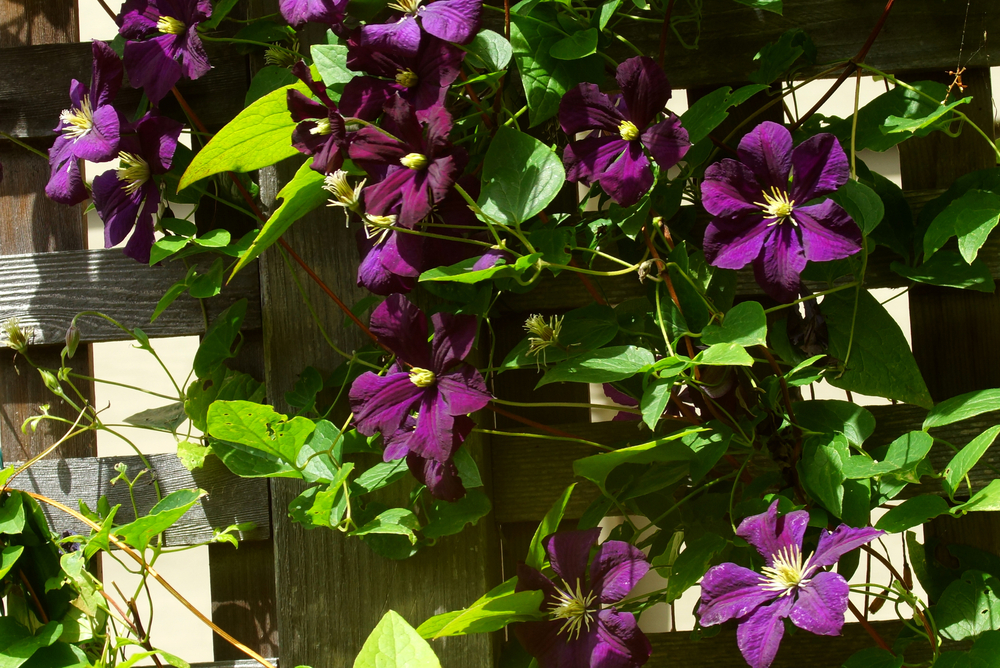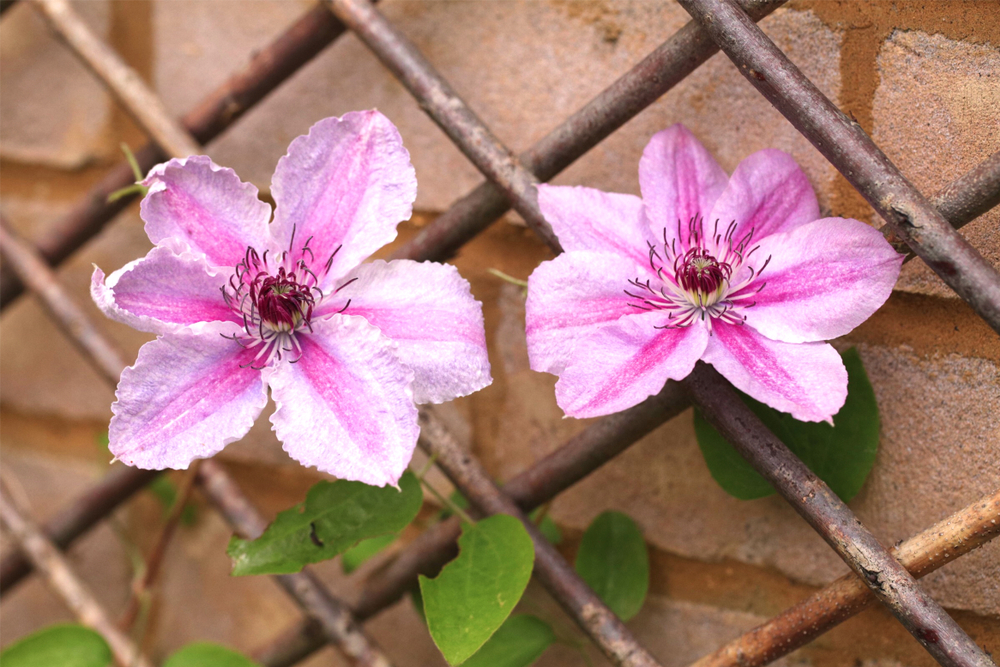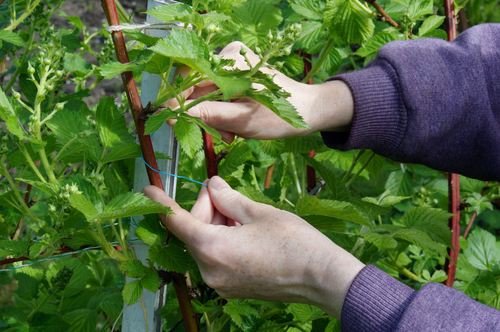
In the wild, clematis is the ultimate climbing plant, usually found hugging the edges of forests and sunny clearings. In those natural spots, it loves to scramble up tree trunks to reach the light. When you bring one into your garden, you’ll need to provide a sturdy support system to mimic that natural environment. Luckily, you’ve got a few great options to choose from!
The All-Rounder: The Trellis
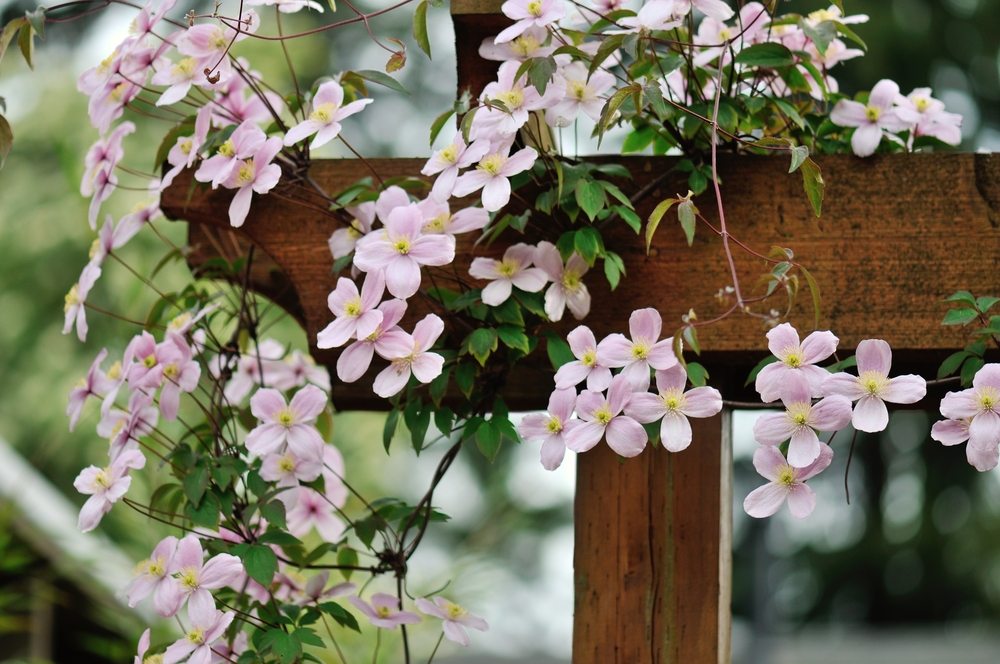
The easiest way to support your clematis is with a classic trellis. These work perfectly whether you’re planting directly in a garden bed or growing your clematis in a container. The golden rule here is to match the size of the trellis to your specific variety. For example, the vigorous Anemone Clematis (Clematis montana) can soar up to 40 feet high, while other varieties might stay much shorter but spread out wide—sometimes reaching widths of 12 feet or more. Always check the tag so you don’t underestimate the space it needs!
Choosing the Right Material
You’ll mostly find supports made of either metal or wood. While metal looks sleek, wooden supports have a hidden benefit: they don’t absorb and release extreme temperatures as quickly as metal does. This means there’s a lower risk of frost damage to your plant during those unpredictable cold snaps. If you’re looking to cover a large house wall, a cable or wire rope system is another fantastic, modern-looking option.
Greening Up Your Walls
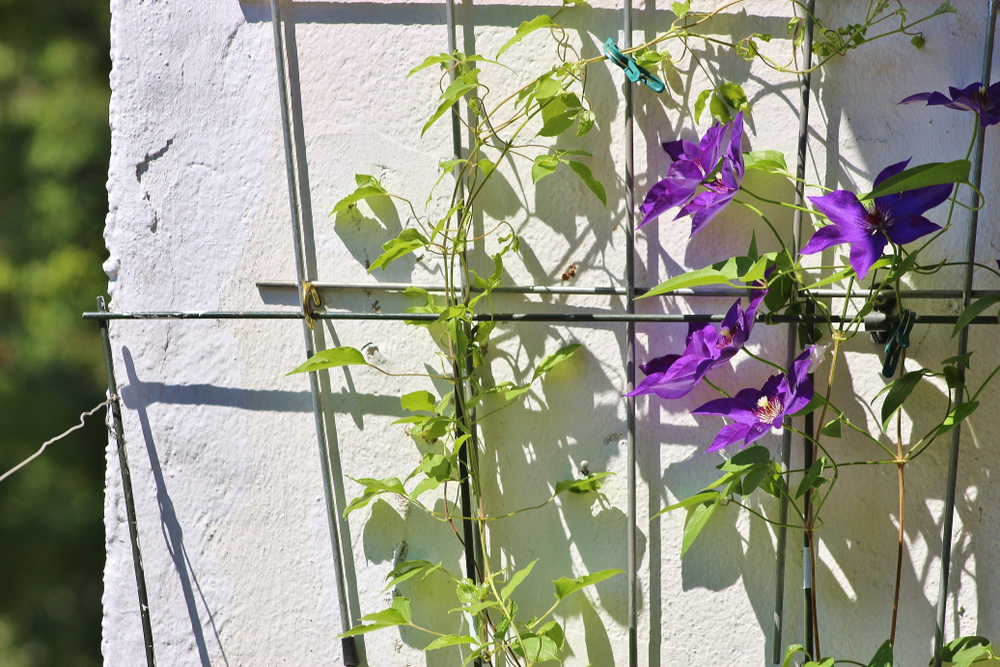
If you go with a cable system for a wall, the layout is key. For smaller or medium-sized varieties, a tighter, fine-mesh grid works best. For the big, robust growers like the Italian Clematis (Clematis viticella), you can get away with a wider rectangular pattern.
One pro tip: always leave a gap of at least 3 to 4 inches between the trellis and the wall. This allows air to circulate freely around the vines. If the plant is pressed too tightly against the wall, moisture gets trapped, which significantly increases the risk of diseases like the dreaded clematis wilt.
When picking out a support for your clematis, keep these points in mind:
- Make sure it’s big enough for your specific variety’s full-grown size.
- Wood is often better than metal for temperature regulation.
- Always maintain a gap between the support and the wall for airflow.