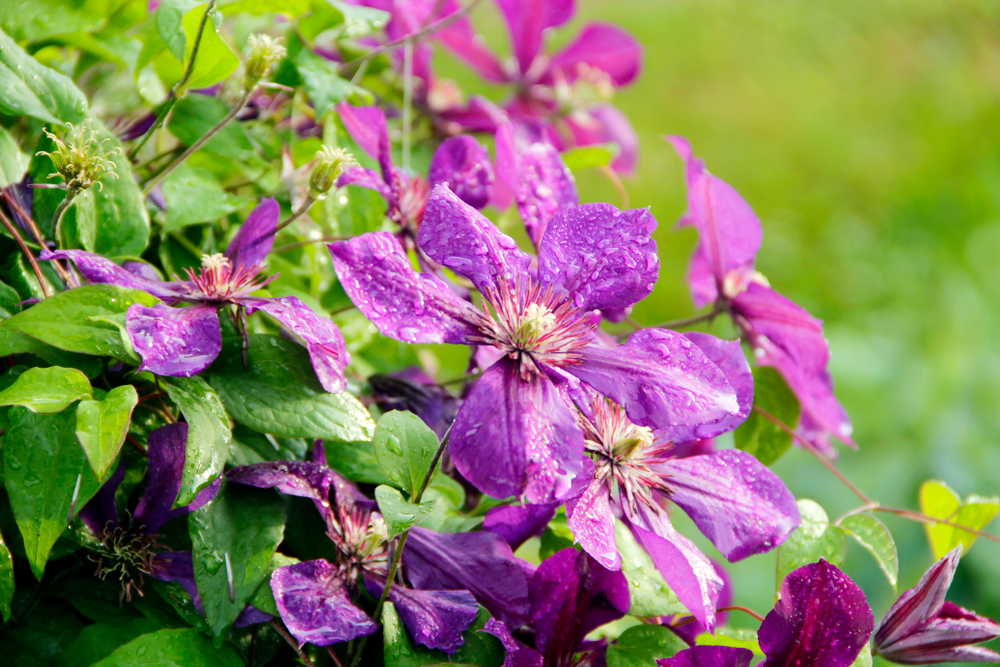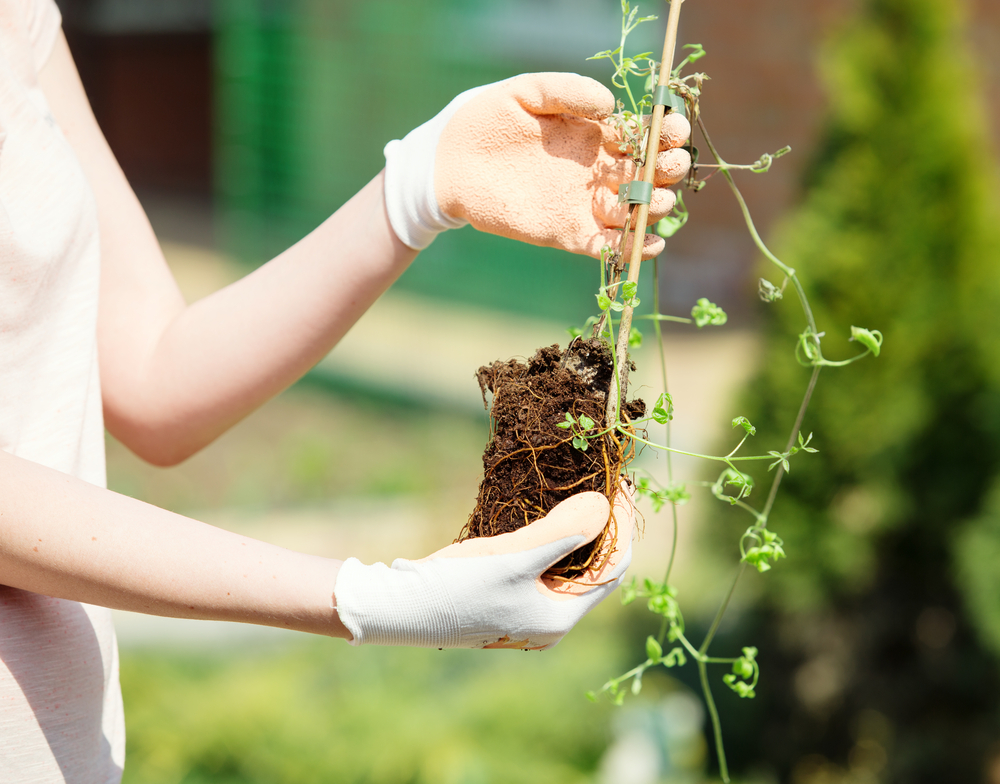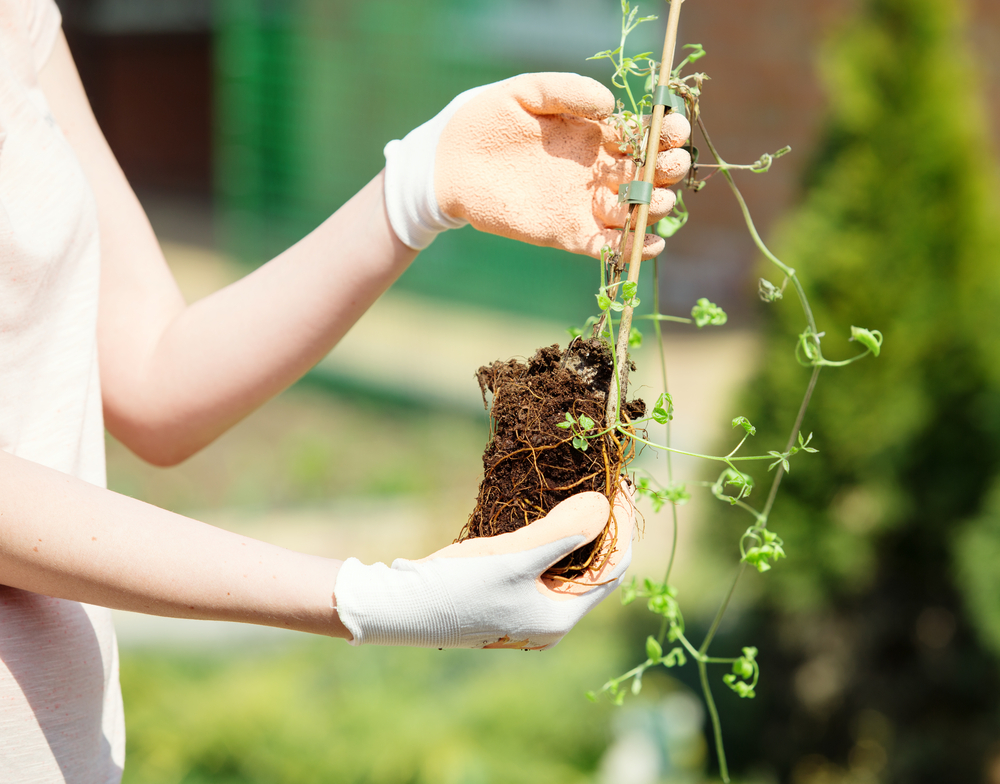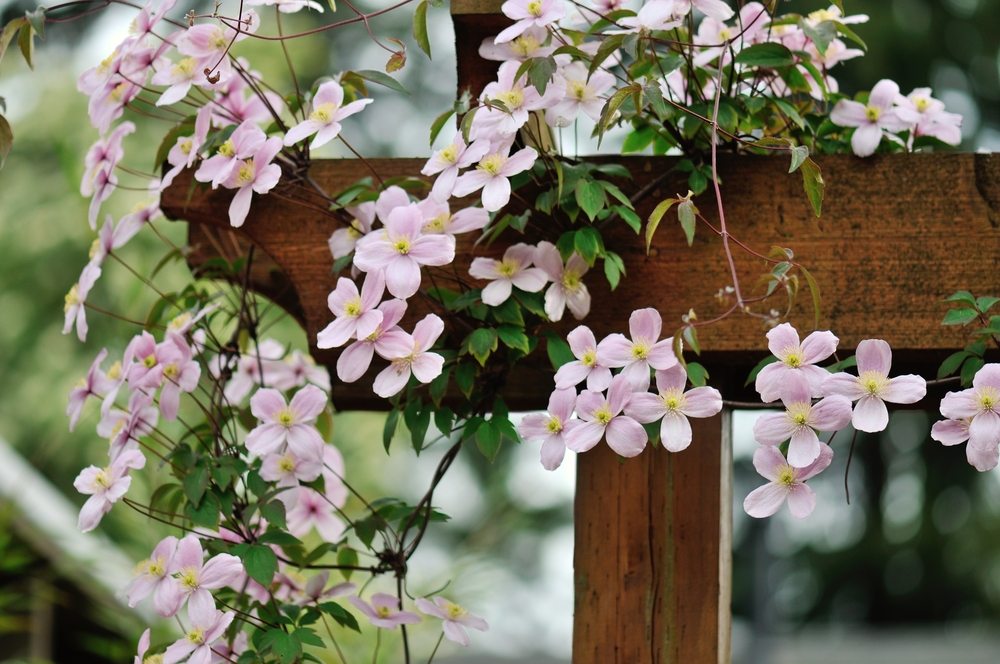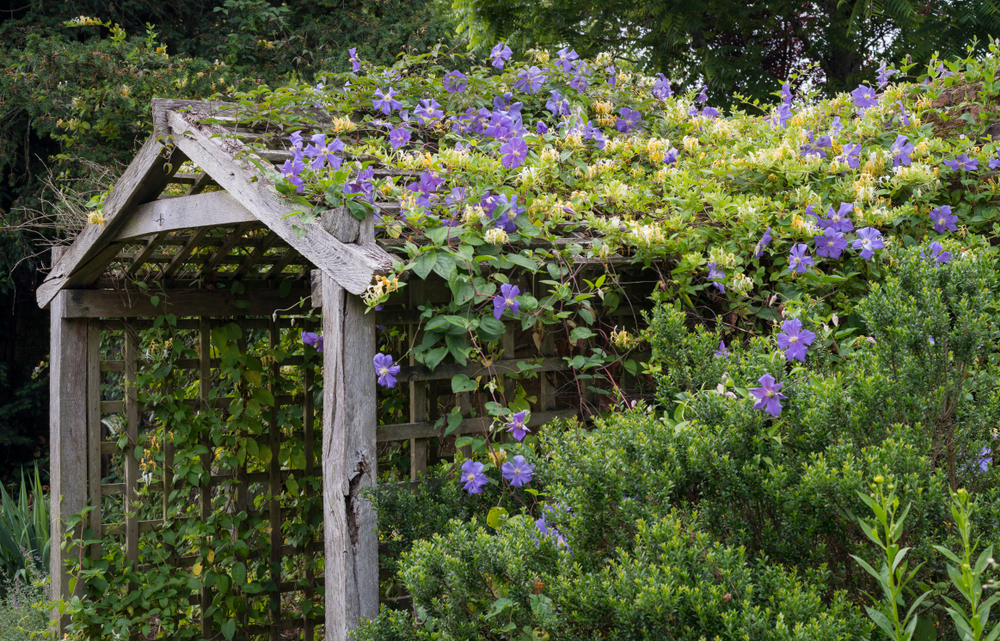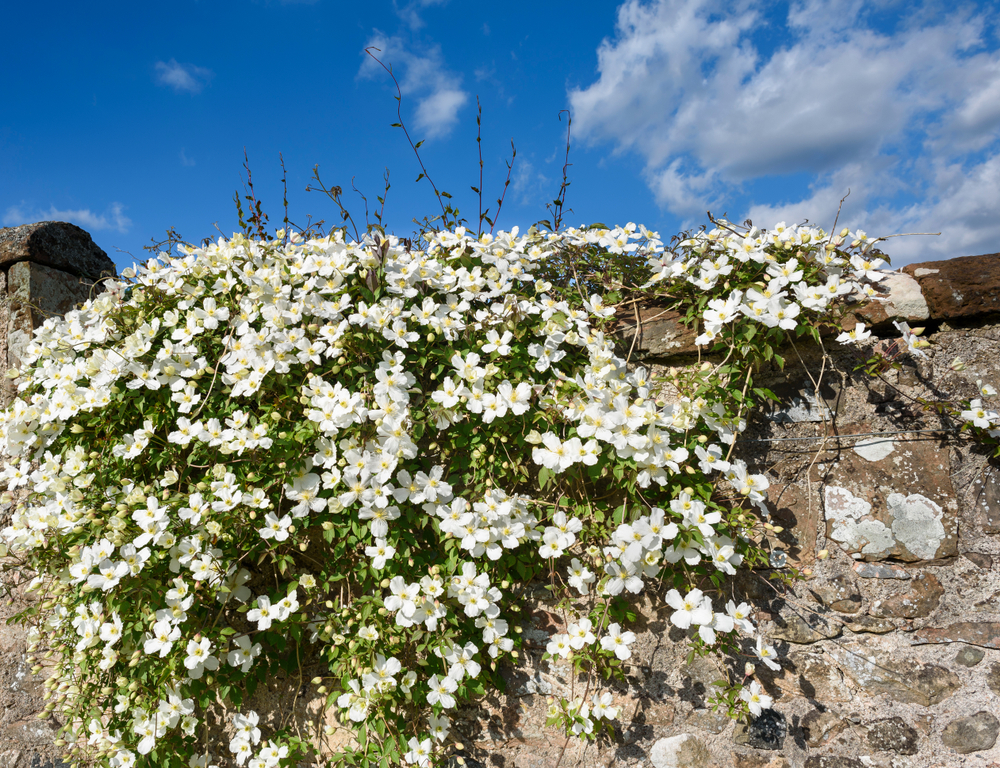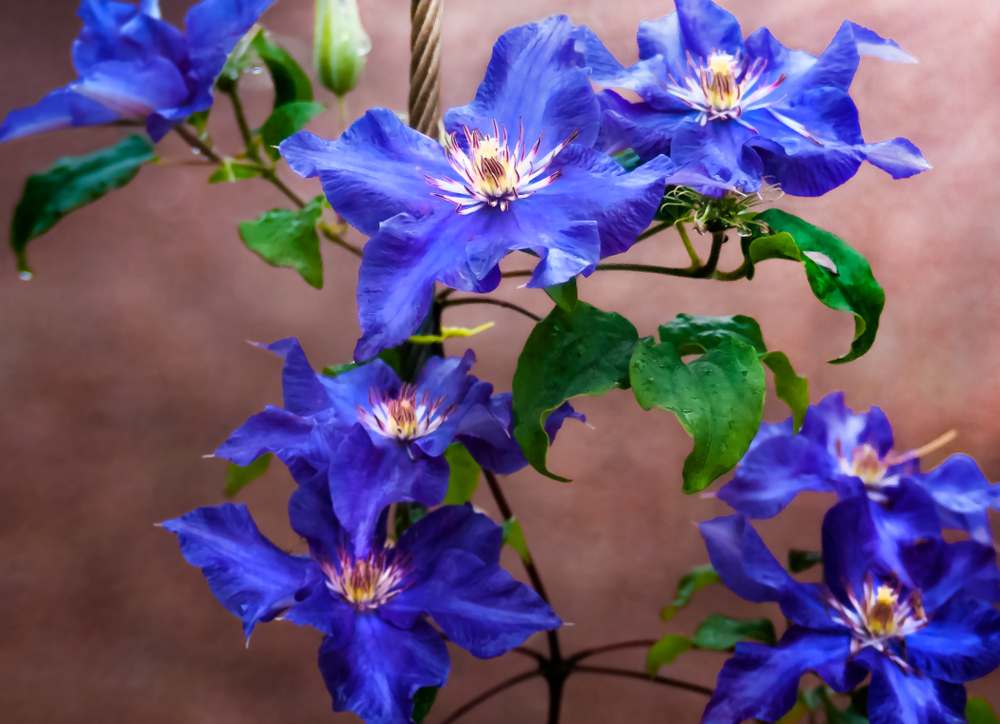
When it comes to a climbing plant like the Clematis, those vines are the stars of the show. The more healthy vines your plant produces, the more spectacular that floral display will be—and the thicker your privacy screen of foliage will grow. That’s why setting your Clematis up for success from the get-go is so important.
Plenty of Nutrients and a Solid Support System
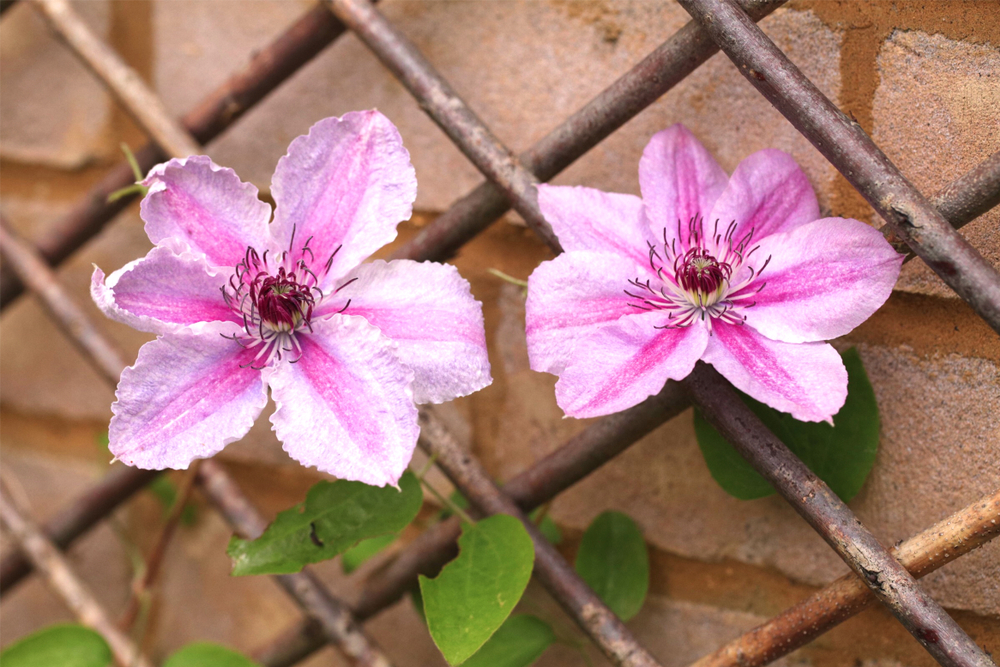
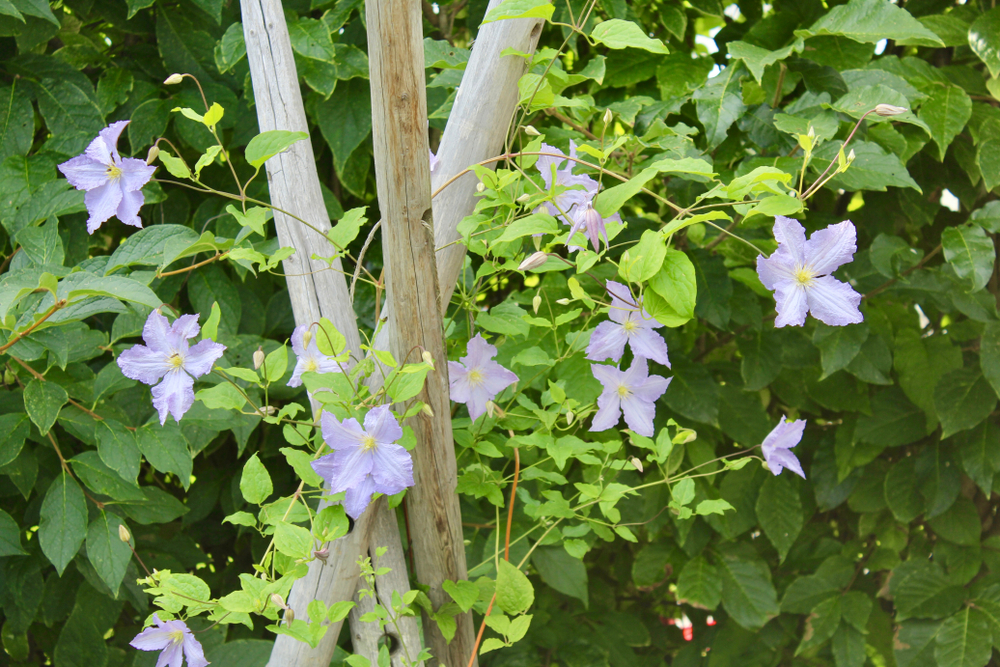
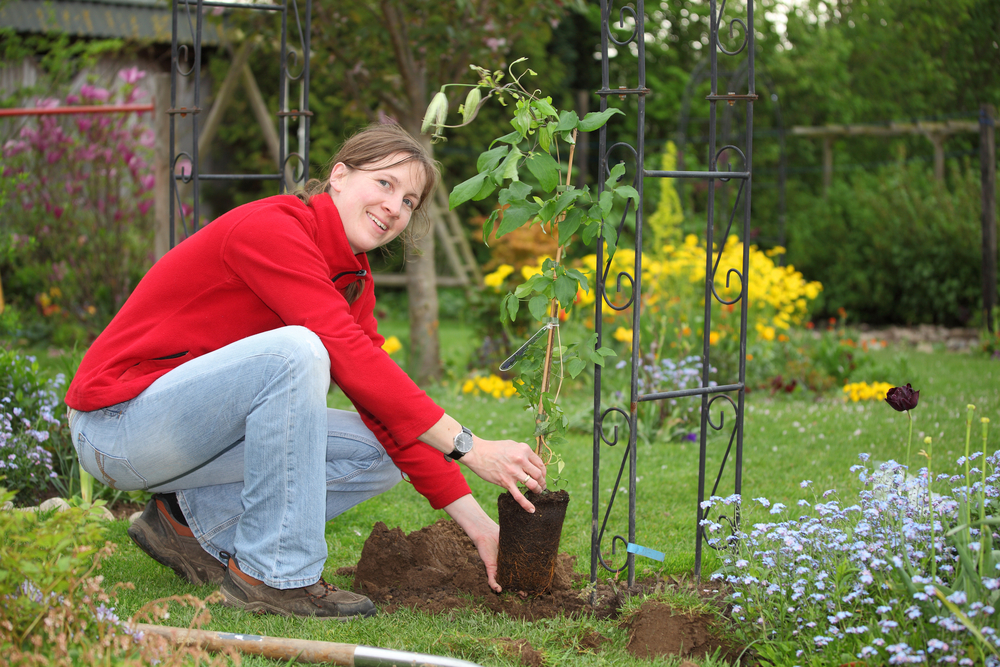
To grow a lush wall of strong vines, your Clematis needs plenty of “fuel.” If your soil is a bit lacking, it’s crucial to fertilize regularly. Beyond food, these plants need something to grab onto. In the wild, Clematis naturally winds its way up trees at the edge of forests. In your backyard or against a house wall, a sturdy trellis or grid takes over that job.
Pruning at the Right Time
How your vines develop also depends heavily on when you pick up the garden shears. Since Clematis species are found all over the world, different varieties bloom at different times. It’s super important to know which pruning group your specific plant belongs to. If you prune at the wrong time, you might accidentally cut off next spring’s growth. Not only will you miss out on flowers, but the plant won’t be able to develop the new shoots it needs to climb.
Training and Securing Your Vines
If you’re looking to cover a wall with greenery, stainless steel cable systems are a fantastic way to give your Clematis the support it needs. A good rule of thumb: the smaller the variety’s natural growth habit, the tighter the mesh of your support system should be. If you prefer traditional trellises, try to go with wood rather than metal. Metal trellises can get very cold, and that chill transfers directly to the plant. If the tender shoots freeze, they won’t be able to grow into the lush vines you’re hoping for.