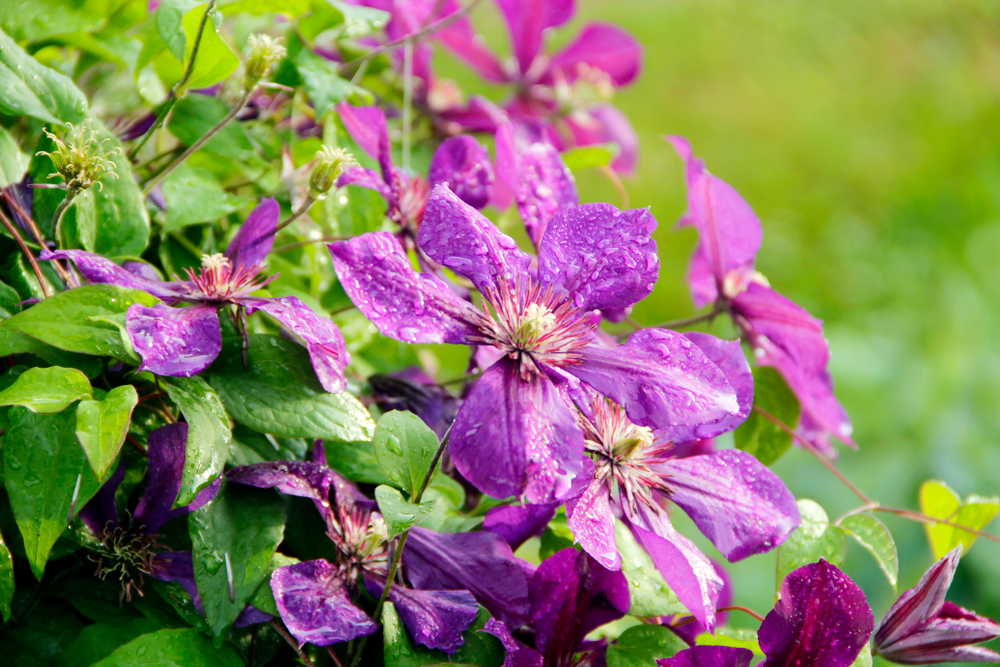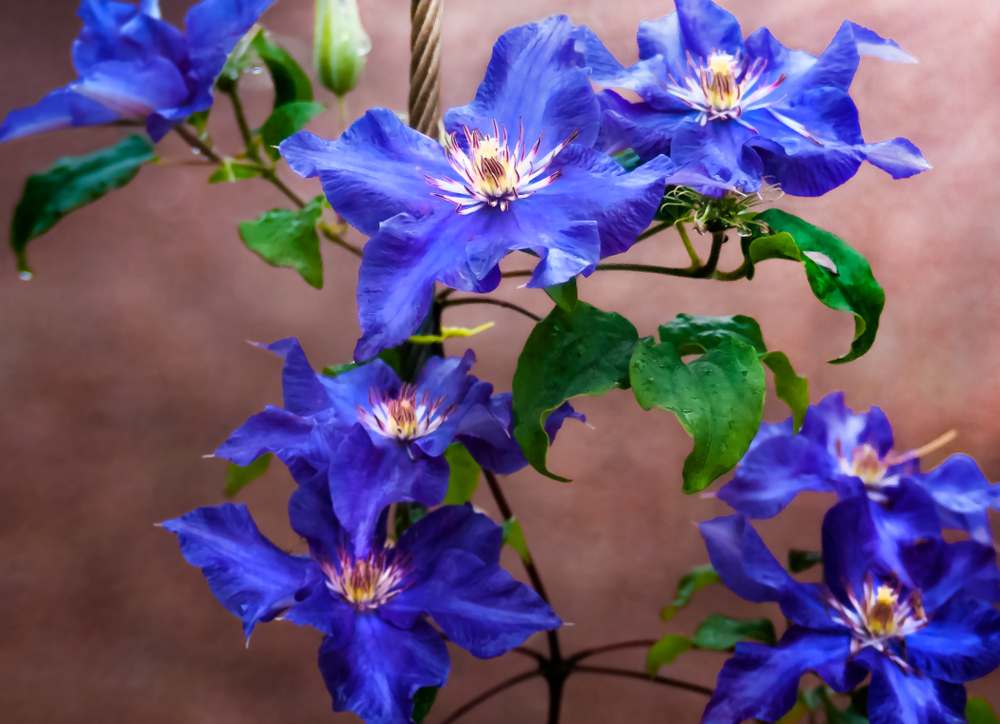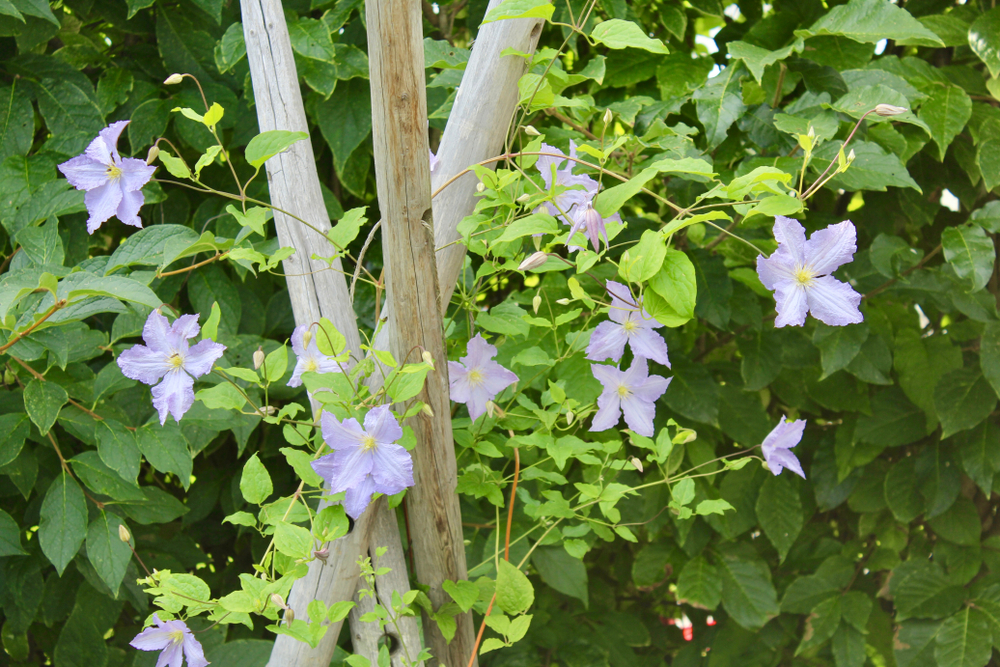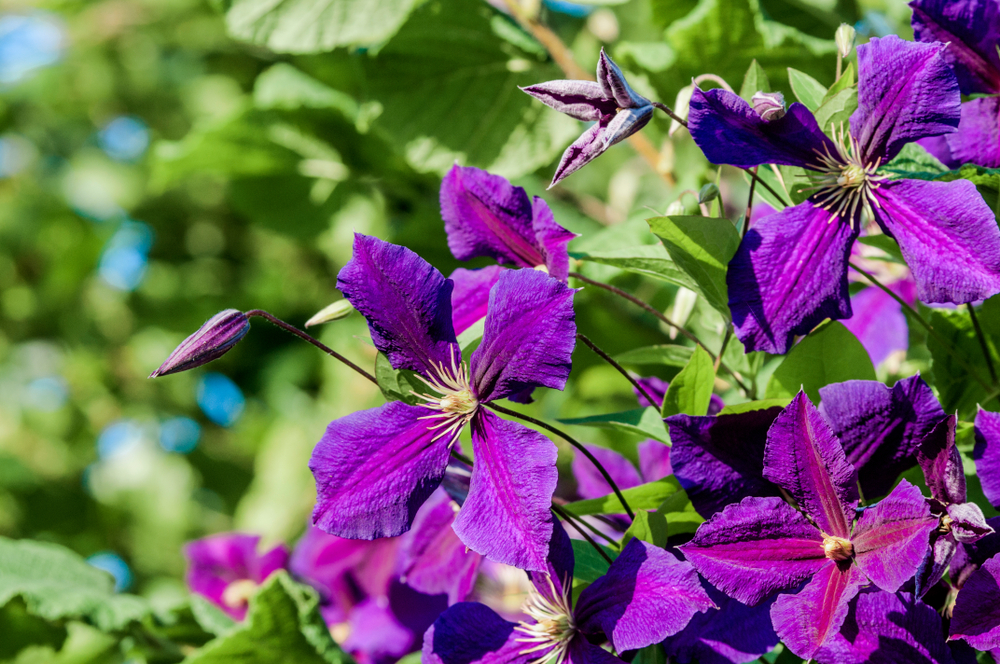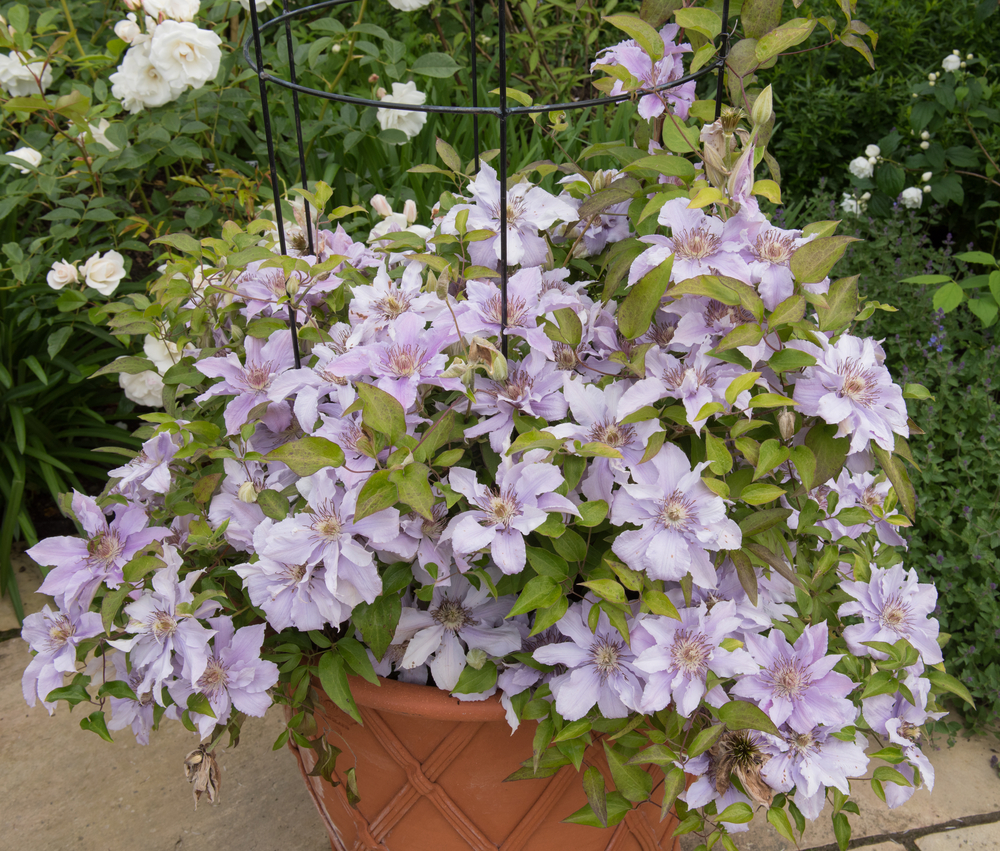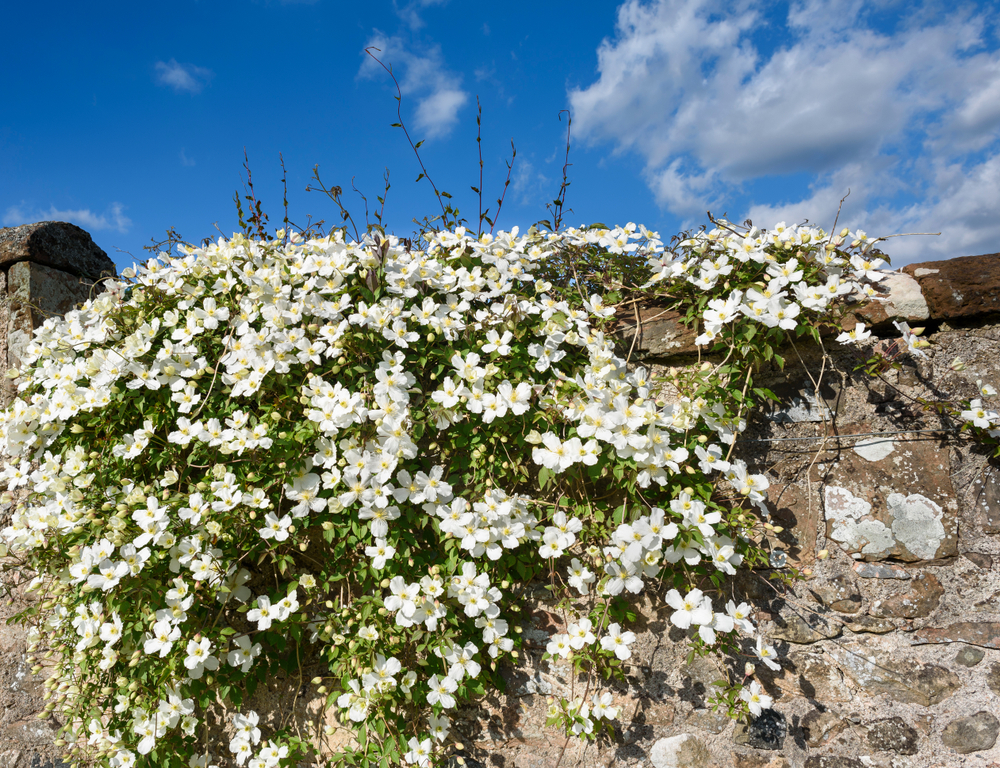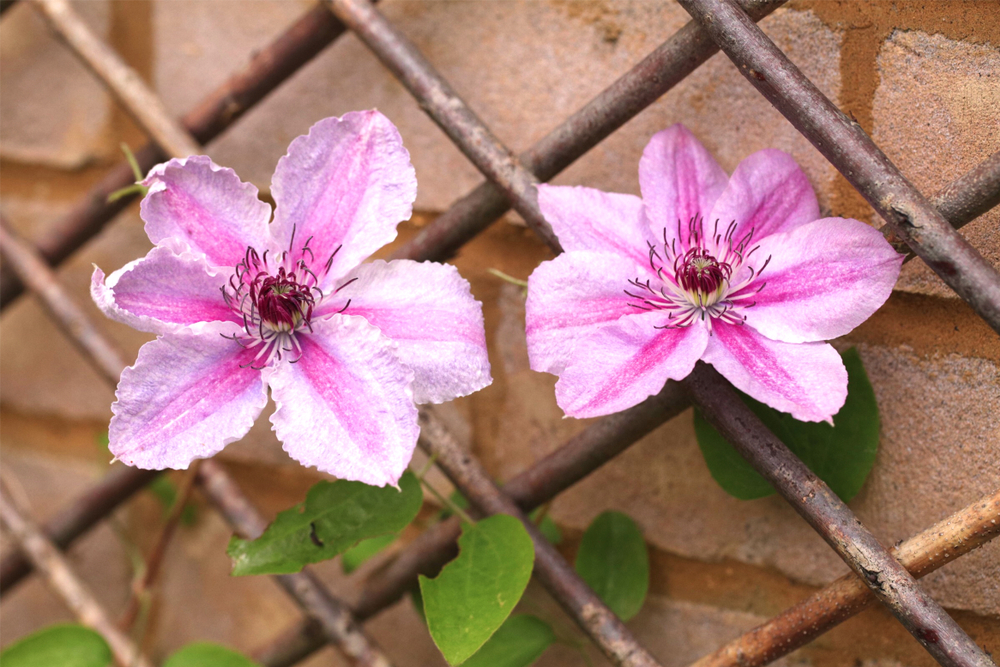
While many gardeners use Clematis as a groundcover, this beauty really shines when it’s allowed to climb toward the sunlight and show off those stunning blooms. In the wild, you’ll usually find Clematis along forest edges and in clearings, using trees as natural ladders to reach the light. Because of those woodland roots, these plants have a few specific “must-haves” to really thrive in your backyard.
Give it a Hand (or a Trellis)
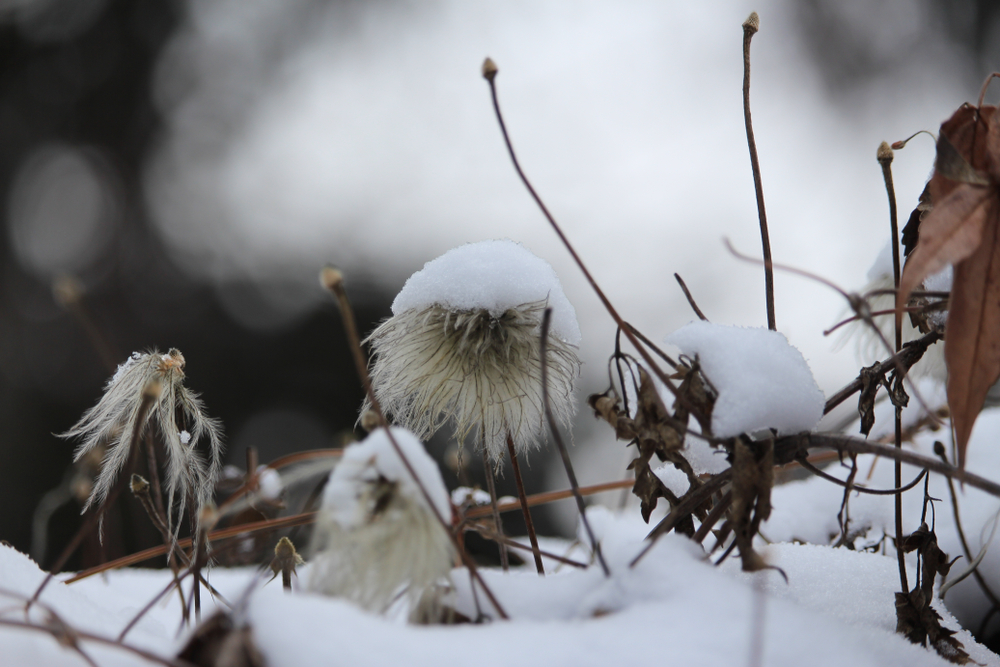
To look its best, your Clematis is going to need some support. While trees are great natural options, most of us use trellises. Pro tip: try to stick with wooden trellises if you can. Metal ones tend to heat up and cool down way too fast; in the winter, that freezing metal can actually cause frost damage to your plant. If you don’t have space for a free-standing trellis, you can easily attach climbing supports to your house or a garden shed. For some of the shorter varieties, Clematis also makes a gorgeous, natural privacy screen along a garden fence.
Finding the Perfect Spot
If you want those vines to shoot up quickly and explode with flowers, location is everything. The golden rule for Clematis is “heads in the sun, feet in the shade.” The top of the plant craves sunlight, but the root system needs to stay cool and shaded. Your best bet is a warm, sheltered spot that’s protected from harsh winds. You’ll also want to make sure your soil is rich in nutrients with a pH level between 5.5 and 6.0.
The Soil Secret: Moist, Not Soggy
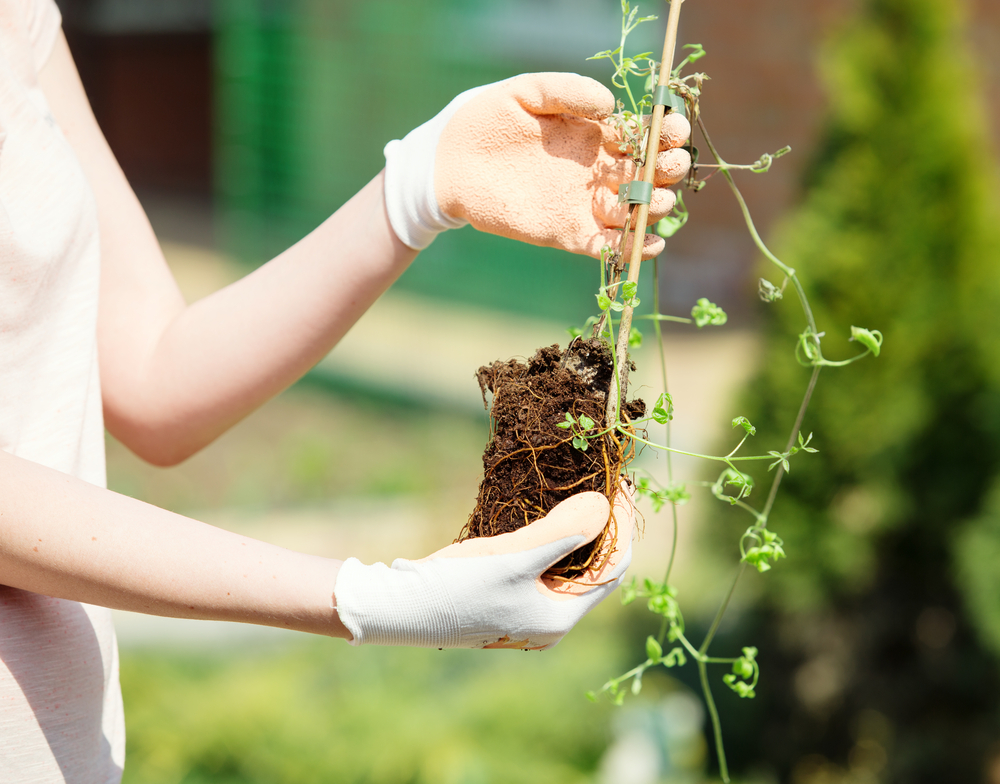
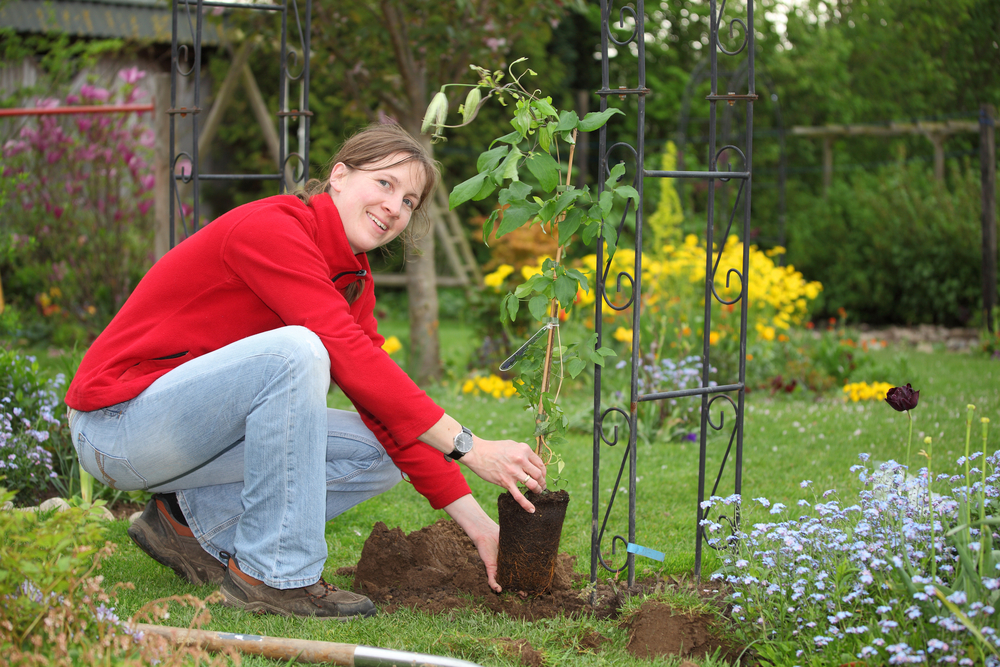
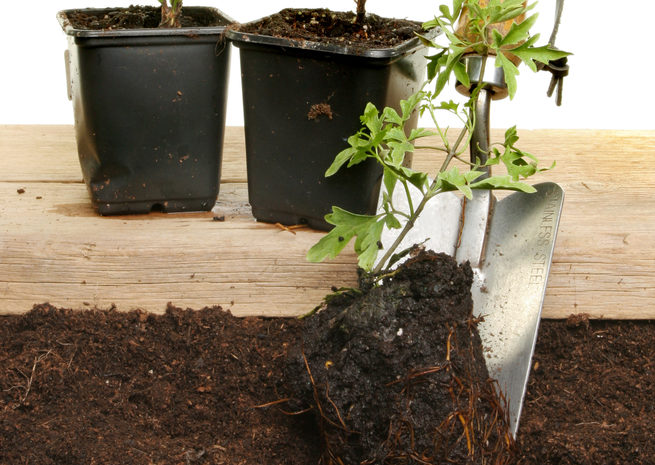
Clematis are thirsty plants that love nutrient-rich soil. Regular fertilizing and watering are key to keeping them happy. However, there’s a catch: they hate “wet feet.” Standing water is a recipe for disaster and can lead to diseases like the dreaded Clematis wilt. To prevent this, make sure you add a drainage layer (about two or three inches of gravel or grit) at the bottom of the hole when you first plant it.
To recap, here’s what your Clematis needs to start climbing:
- A sturdy trellis or support system
- Nutrient-dense soil
- Consistent moisture (but skip the puddles!)