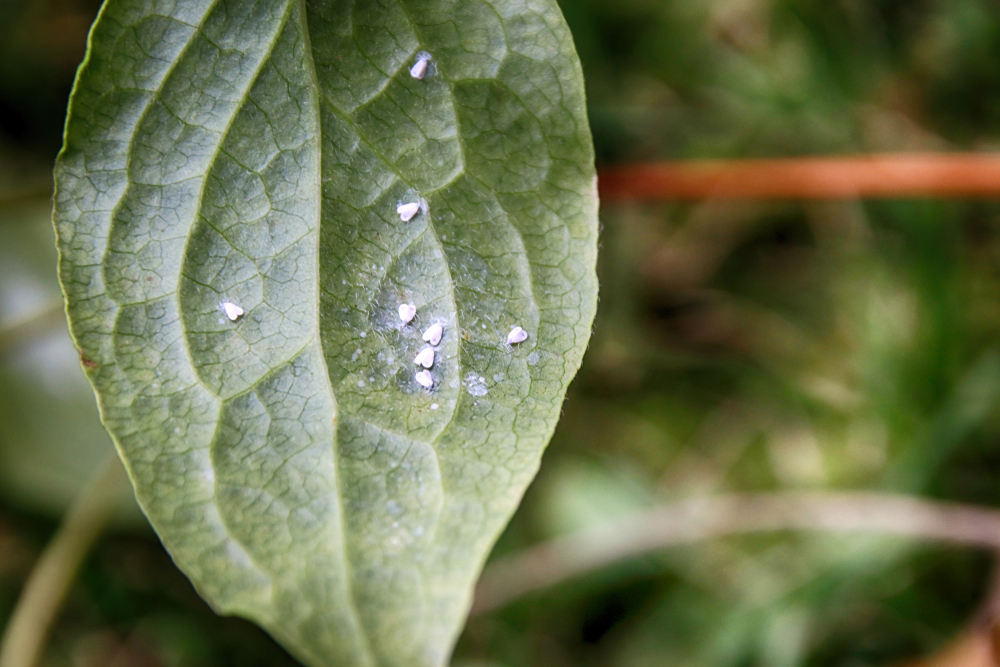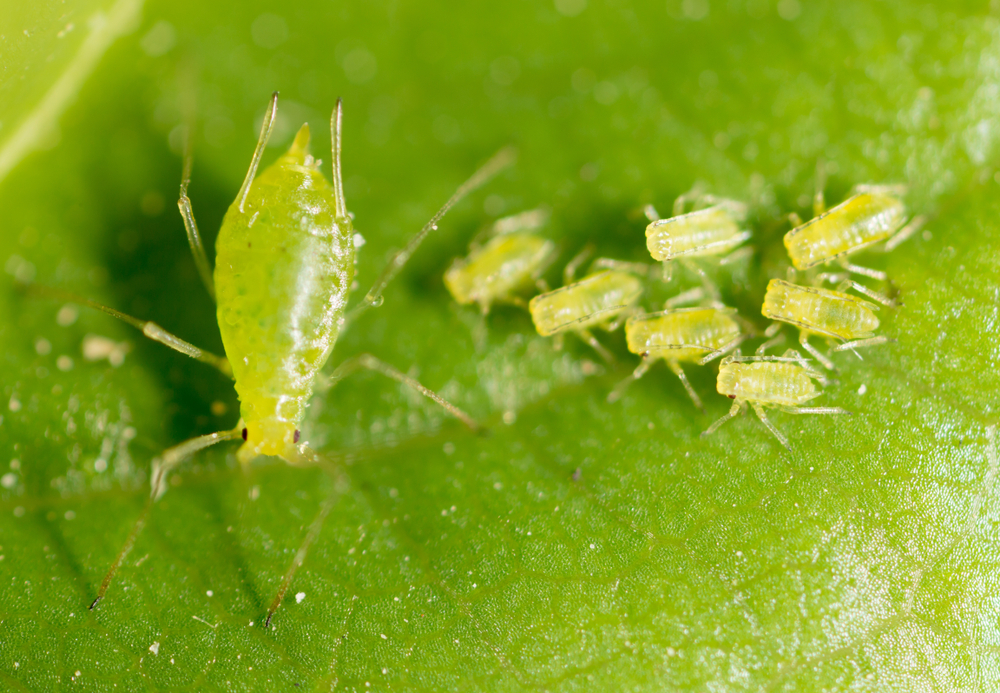
Aphids are a common sight in many gardens, and unfortunately, they aren’t shy about attacking your beautiful clematis. Once these little pests settle in and start multiplying, things can go downhill fast. Since clematis are heavy feeders that need a lot of nutrients to thrive, they’ll show signs of distress pretty quickly once an infestation starts. If you spot them, you’ll want to act fast to keep your vines healthy.
Start with a simple blast of water
The secret to winning the war against aphids is catching them early. The sooner you spot them, the easier they are to manage. Your first line of defense? A good old-fashioned garden hose. Give the affected plants a sturdy blast of water to knock the bugs loose. Just a heads-up, though: clematis don’t like “wet feet,” and too much water at the roots can lead to other diseases. To play it safe, cover the base of the plant with some plastic sheeting before you start spraying to keep the soil from getting waterlogged.
Tried-and-true home remedies
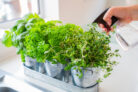
You might see people recommending heavy-duty insecticides, but I prefer a gentler approach. Simple, old-school home remedies are often just as effective at clearing up the problem without harsh chemicals. A classic soap solution is usually all you need.
- 1 quart of water
- 1 tablespoon rubbing alcohol
- 1 tablespoon liquid castile soap (or pure dish soap)
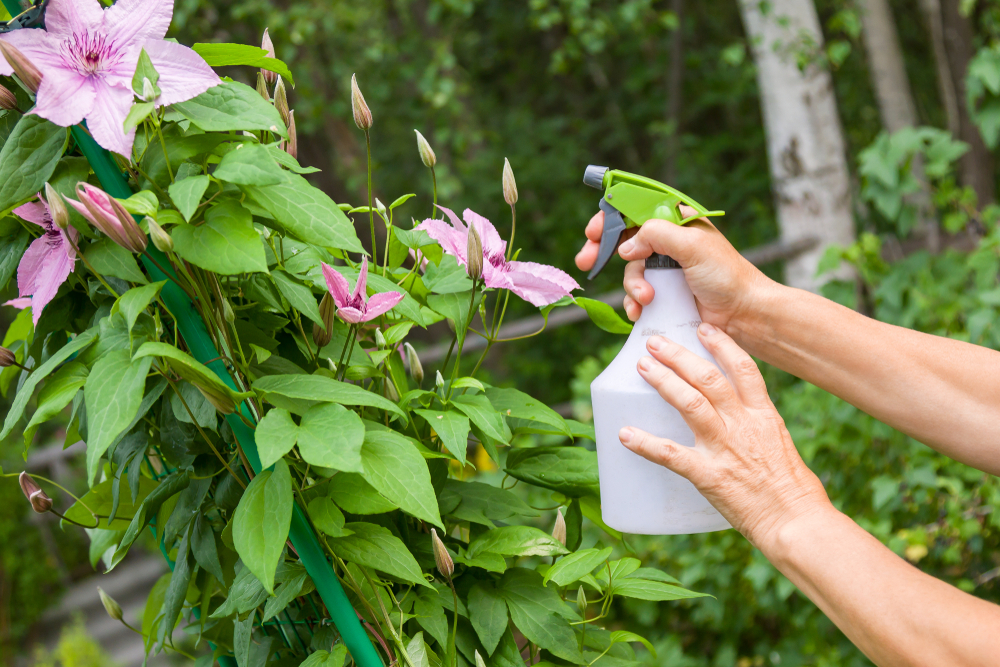
Mix it up and spray the infested areas every two to three days until the aphids are gone.
For those stubborn infestations
If the aphids have already taken over or the basic soap spray isn’t cutting it, you might need something with a bit more “oomph.” Try this mixture for the tough cases:
- 1 quart of water
- 1 heaping tablespoon baking soda
- 1 tablespoon rubbing alcohol
- A small squirt of dish soap
Spray the entire plant thoroughly every three to five days. Keep at it until you don’t see a single aphid left.
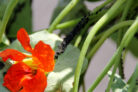
To prevent future attacks, think about what you’re planting around the base of your clematis. Since these vines love “cold feet” (shaded roots), you can use companion plants that naturally repel aphids. Marigolds, calendula, and non-climbing nasturtiums are fantastic choices that look great and act as a natural shield for your clematis.