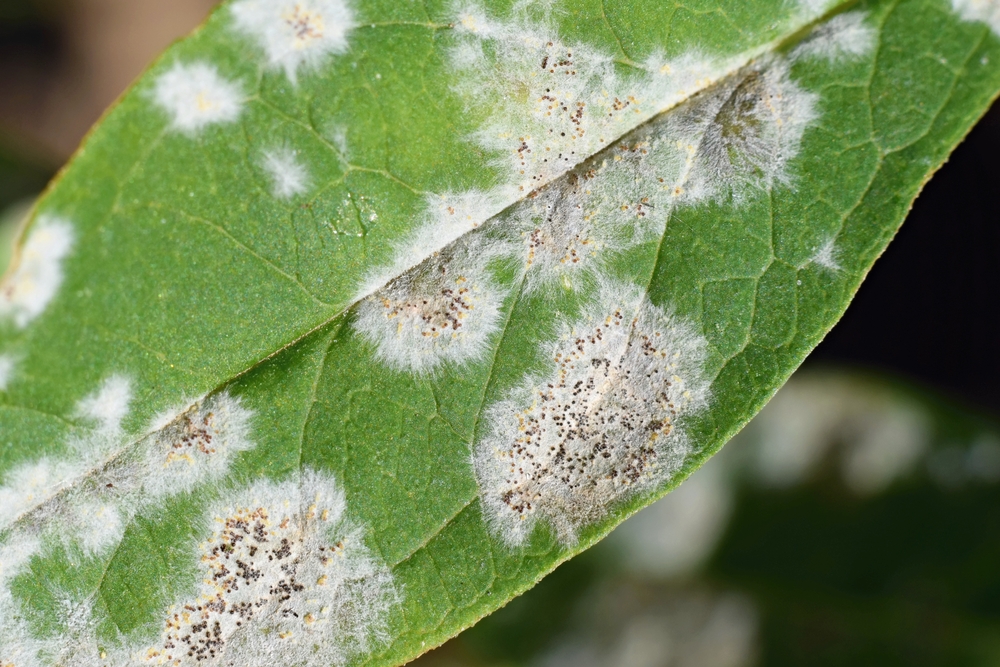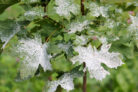
Powdery mildew is a common issue that many Clematis growers face at some point. The secret to keeping your garden healthy is catching it early. If you spot it fast and act quickly, you can stop the fungus from taking over the whole plant or spreading to your other garden favorites.
Powdery vs. Downy Mildew
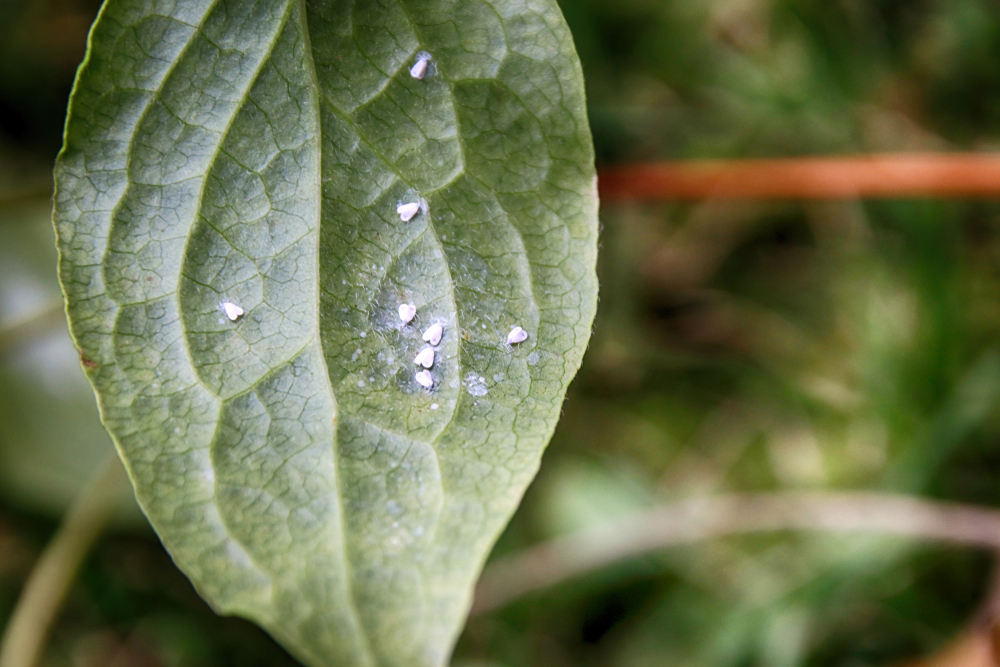
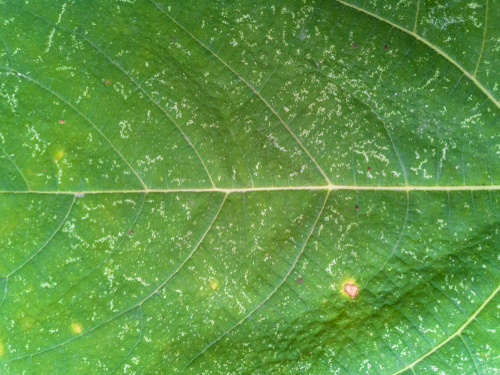
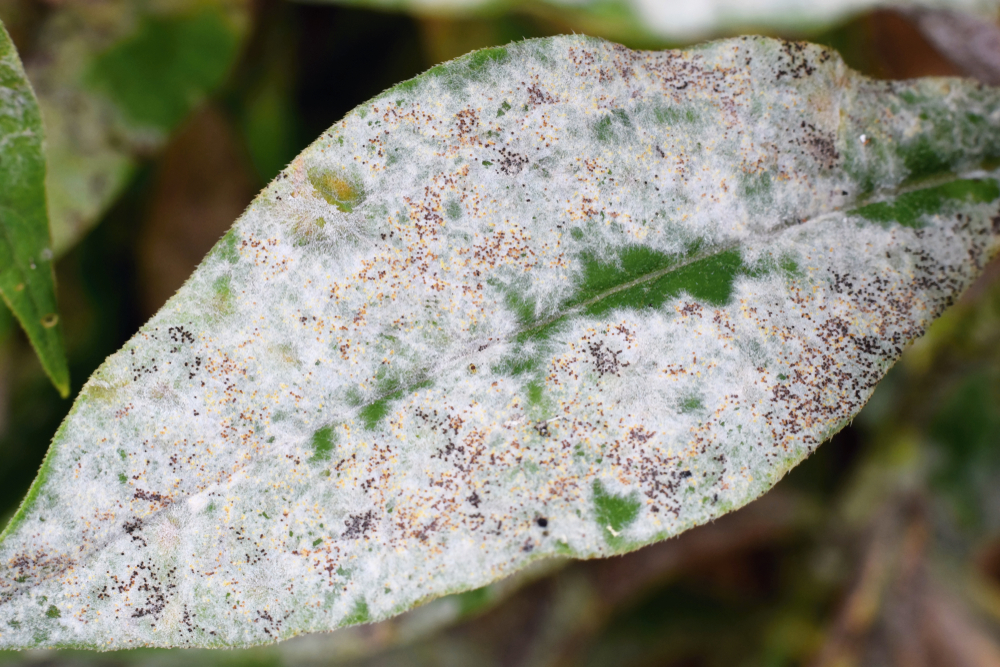
When you’re out tending to your Clematis, make it a habit to give the leaves and blooms a quick once-over. They’re usually the first to tell you if something is wrong. Powdery mildew looks like someone dusted your plant with flour; you’ll see a white or grayish coating on the tops of the leaves, and sometimes even on the buds and stems. Downy mildew, on the other hand, is a bit more sneaky and usually shows up as a fuzzy growth on the undersides of the leaves.
How to Treat It Naturally
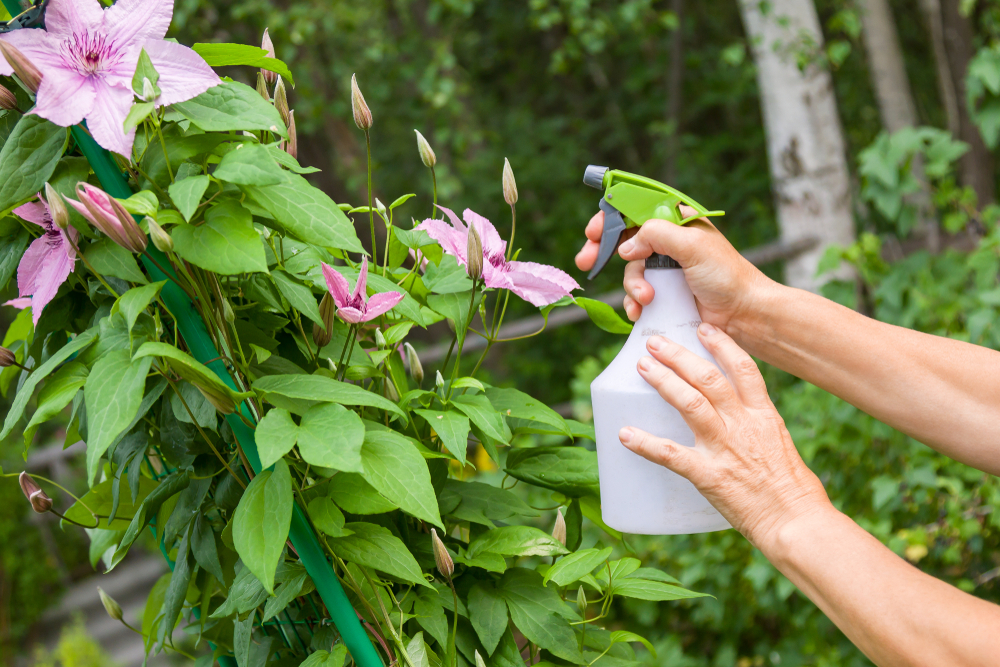
You don’t need harsh chemicals to get things back under control! To stop the spread, try spraying your plants with a simple mixture of milk or whey diluted with water. Another great DIY remedy is a “kitchen cabinet” spray: mix one tablespoon of canola oil and one packet (about a tablespoon) of baking powder into a quart of water. Give your Clematis a good misting, and you’ll be back to enjoying those beautiful blooms in no time!