Columbines are such charming, unique additions to any flower bed—they’re a real highlight in the garden. Unfortunately, they can sometimes fall victim to powdery or downy mildew. Here’s how you can spot the signs and get your plants back on track.
How do I treat mildew on my columbines?
As a first-aid measure, you need to immediately remove and destroy any infected leaves. Don’t toss them in your compost pile, or you’ll just spread the spores; put them straight into the household trash instead. For powdery mildew, you can spray your columbines with a simple milk-and-water solution mixed at a 1:9 ratio.
How do you get rid of mildew for good?
To knock out powdery mildew, follow these steps:
- Prune away all diseased sections and dispose of them in the trash.
- Mix 1 part milk with 9 parts water.
- Pour the mixture into a spray bottle.
- Give your columbines a good coating.
- Repeat the spray treatment 3 times a week.
- Hold off on fertilizing for a little while.
If you’re dealing with downy mildew instead, you’ll need to remove as much of the infected plant material as possible to try and save the columbine.
Which type of mildew is attacking my columbines?
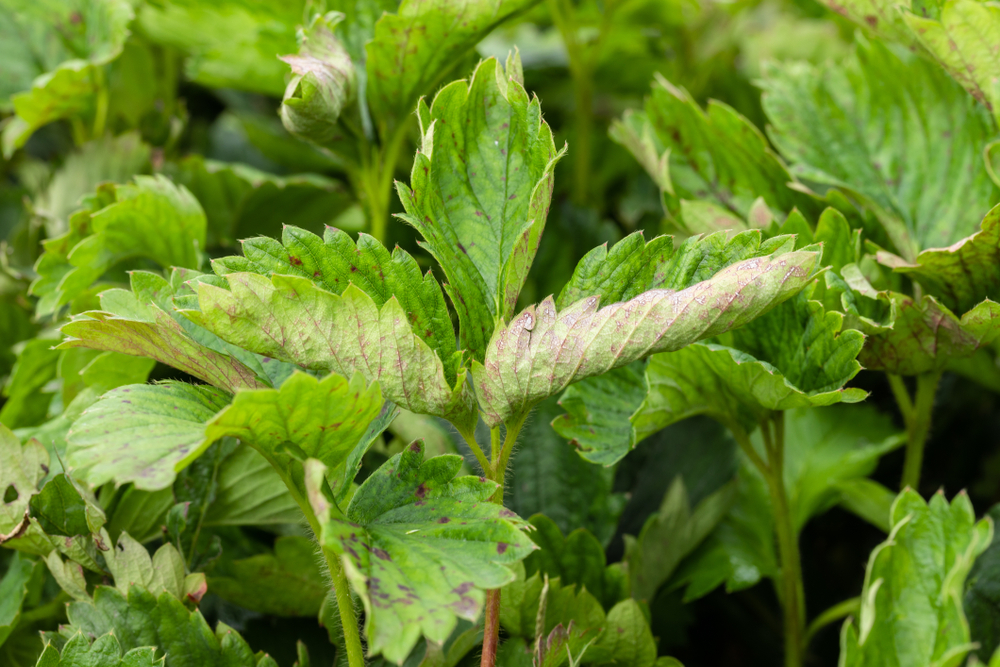
Columbines can be hit by both powdery and downy mildew. You’ll recognize powdery mildew by the white, flour-like spots on the upper side of the leaves. Downy mildew is the more dangerous of the two. This fungus causes brownish spots on the top of the leaves and a grayish, moldy-looking coating underneath. The leaves may also start to twist or curl. Downy mildew spreads incredibly fast and affects almost all columbine varieties, so the only way to fight it is to quickly destroy all infected parts.
How can I protect my columbines from mildew?
The best defense is a good offense! Proper care and the right location go a long way in preventing infections. Make sure you’re up to speed on columbine care and give these beauties the perfect spot in your garden.
Generally, columbines love a bright location with loose, slightly loamy soil. Be careful not to overdo it with nitrogen-heavy fertilizer, as that can actually make the plants more susceptible to mildew.
What happens if I don’t treat the mildew?
A downy mildew infection will continue to spread throughout your garden, significantly weakening your plants. Eventually, your columbines might stop blooming and won’t be able to drop seeds for next year. If it’s “just” powdery mildew, most plants will survive and eventually bounce back with a little help.
Pro Tip: How do I mix the most effective milk solution?
A ratio of 1 part milk to 9 parts water is the gold standard for fighting powdery mildew.
Raw milk (straight from the farm) is said to be the most effective because it’s packed with beneficial bacteria that fight off fungal spores. In general, the lactic acid in the milk creates an environment that fungi just can’t stand, forcing the mildew to pack its bags.