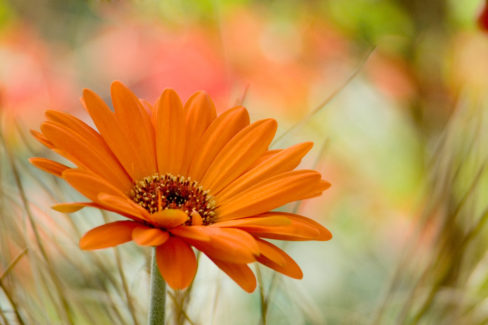
With about 30 different species originally hailing from Africa and tropical Asia, the Gerbera daisy is a bit of a diva. Because they’re used to those lush environments, keeping them happy in our neck of the woods can be a little tricky—especially when plant diseases like mildew enter the picture.
Powdery Mildew vs. Downy Mildew
When we talk about mildew, the first thing to figure out is which kind you’re dealing with. For Gerberas, it’s almost always powdery mildew. Here’s why: powdery mildew thrives in warm, dry conditions. On the flip side, downy mildew needs moisture to spread. Since Gerberas actually love a humid climate, their natural defenses are usually strong enough to ward off the “wet” version. It’s when things get dry that the Gerbera struggles and the powdery mildew moves in.
How to Spot Powdery Mildew
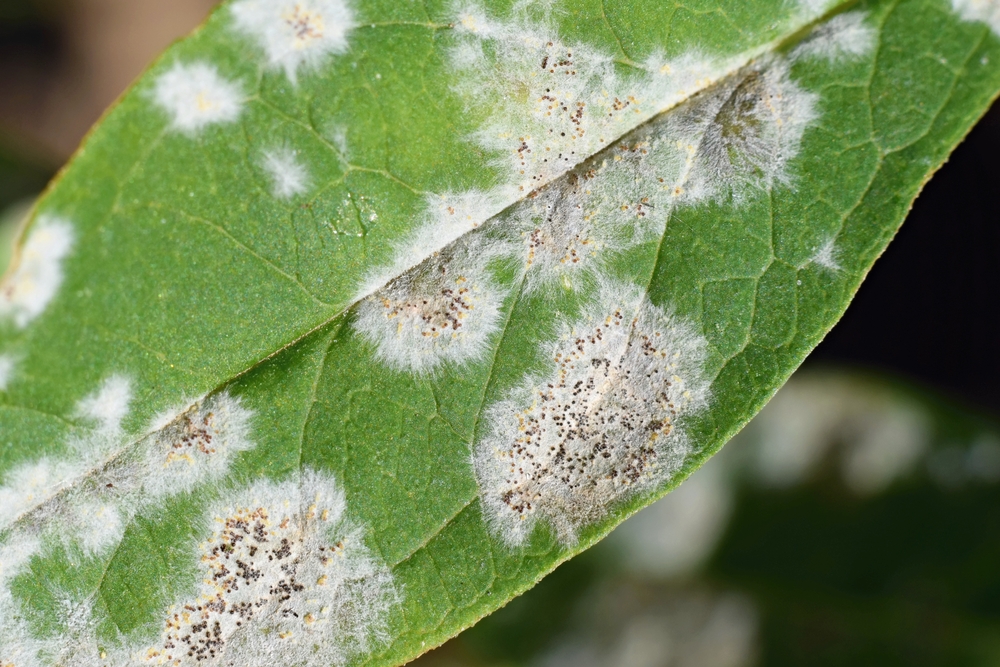
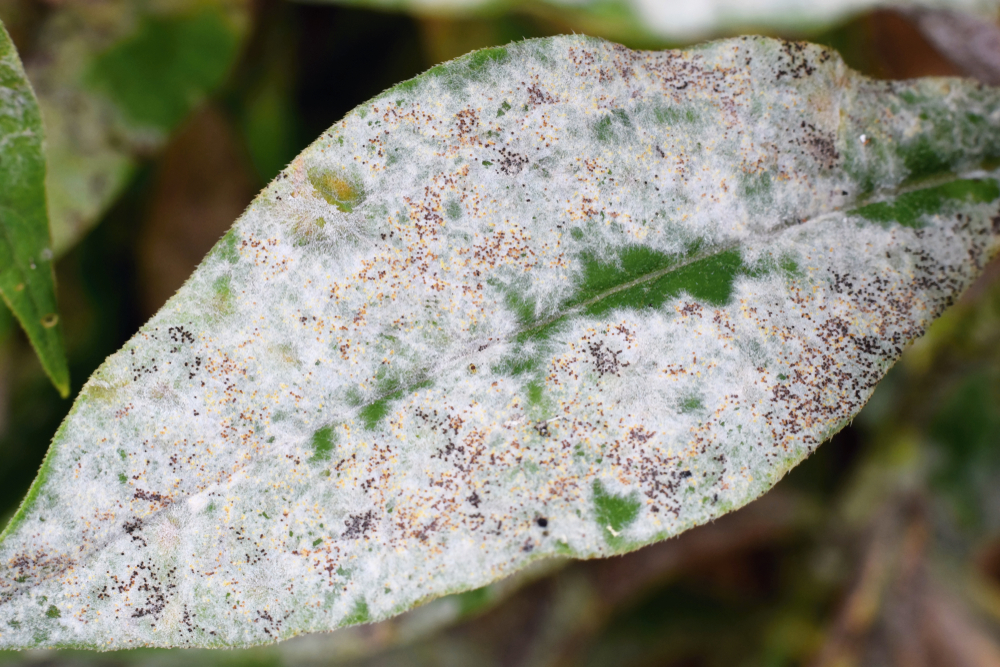
You’ll usually notice powdery mildew on the leaves first. It looks like a dusty white coating on the upper surface of the foliage. If you don’t catch it early, that white film will eventually turn brownish. Left untreated, it’ll take over the entire plant and eventually hop over to your other green friends nearby. Keep an eye out for these “perfect storm” conditions that make it spread faster:
- Dry air
- Temperatures around 68°F (20°C)
Once the spores land, it usually takes about six days for the infection to become visible.
What to Do Next
If you’re growing your Gerberas in pots, the first thing you should do is quarantine the sick plant. Move it away from your healthy ones, but make sure the new spot doesn’t have major temperature swings or cold drafts.
Next, it’s time to grab your garden shears. I usually recommend skipping the heavy chemicals; they aren’t always effective against mildew and can leave nasty residues in your soil. Instead, go for a heavy pruning. Cut back the infected areas aggressively. Just a pro-tip: don’t toss those clippings in your compost pile! Throw them straight in the trash so the mildew spores don’t find their way back into your garden later.