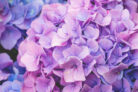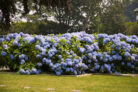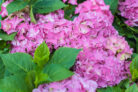
Hydrangeas are a total garden favorite, mostly because of those stunning, colorful blooms we all love. Depending on the variety, you might see anything from deep blues to vibrant pinks. But sometimes, your hydrangea might start looking a little… green. If you’re wondering why your plant is losing its color, here’s the scoop on what’s happening and how you can fix it.
Is it just nature doing its thing?
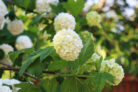
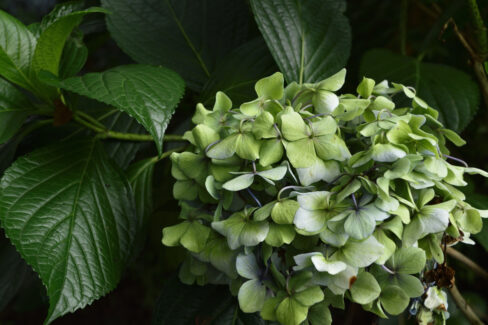
First off, let’s talk about the botanical side of Hydrangeas. If you have a variety with lighter flowers, they don’t always start out in their final color. When the blooms first open, they often start as a pale green. As they soak up the sunlight, they gradually transition into that snowy white or soft pink you were expecting. So, if you see green buds early in the season, don’t panic—it might just be the plant’s natural process!
Weather and soil at your hydrangea’s planting spot also play a huge role. If you’ve had a particularly cold spring or an unusually dry spell, the flowers might get “stuck” in that green phase. On the flip side, when the weather is just right and the plant is well-cared for, you can expect a seriously spectacular show of color.
What if it’s all leaves and no flowers?
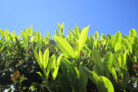
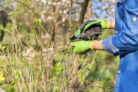
Sometimes, you might find yourself with a lush, green bush that refuses to bloom at all. If you’re looking at a wall of green leaves without a flower in sight, the culprit is usually incorrect pruning. Many hydrangea varieties bloom on “old wood” (stems from the previous year). If you got a little too enthusiastic with the shears, you might have accidentally cut off this year’s flower buds.
Here’s what to keep in mind:
- Make sure you’re pruning your specific variety at the right time of year.
- If you live in a chilly climate, take steps to winterize your hydrangeas properly.
- Always use sharp, clean tools when you head out to prune.
Pro tip: Before you start clipping, double-check which type of hydrangea you have so you know its specific pruning schedule. I also recommend leaving the old, dried flower heads on the plant through the fall and winter. They actually act as a natural shield, protecting the new buds from frost damage!