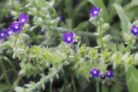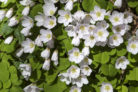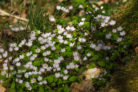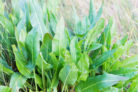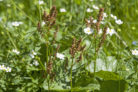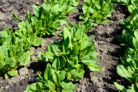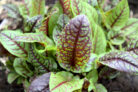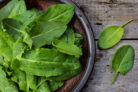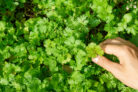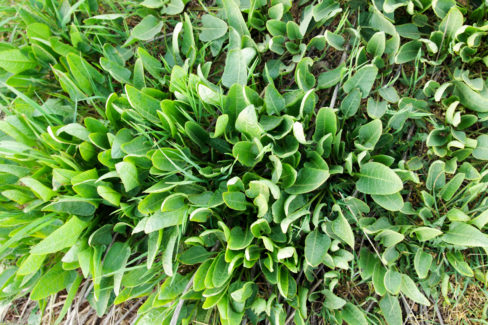
Sorrel is a member of the knotweed family, and it comes in quite a few different varieties. While it has its uses, this plant spreads like wildfire and can quickly become a real headache in your garden—and an even bigger nuisance in pastures and meadows. If you’re wondering how to get it under control (especially without reaching for harsh chemicals), I’ve got you covered. Here’s the lowdown on managing sorrel.
Digging Out Sorrel
Because of its deep taproots and aggressive spreading habits, getting rid of sorrel isn’t exactly a walk in the park. To make sure it doesn’t just pop right back up, you really need to remove the entire root system from the soil. I highly recommend using a dedicated weeding tool specifically designed for docks and sorrel; those roots are massive, and trying to pull them by hand usually just results in the root snapping off. Pro tip: wait for a rainy day! It’s much easier to slide those long roots out when the soil is nice and moist.
Cutting Back Sorrel
If you time it right during the growing season and cut the sorrel back before it starts to flower, you can seriously slow it down. By preventing it from blooming, the plant loses its vitality and can’t drop new seeds. It won’t kill the plant instantly, but it stops it from taking over your entire yard as quickly as it normally would.
Chemical Control for Sorrel
From an ecological standpoint, I’m generally not a fan of using chemicals in the garden. It’s important to remember that pesticides soak into the soil and can affect your veggies and other prized plants nearby. If you feel like you’ve exhausted all other options and have to go the chemical route, it’s best to wait until late summer or fall to apply them. Also, this shouldn’t be a yearly habit—try to limit chemical treatments to once every three to five years at most.
Don’t Forget to Reseed!
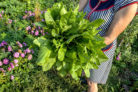
Once you’ve dug out the sorrel or cleared it away, you’ll likely be left with some bare patches. Make sure to fill those spots in with fresh grass seed right away to prevent new weeds from moving in. And hey, here’s a fun fact: did you know that every part of the plant is actually edible? Even the roots can be used in the kitchen if you’re feeling adventurous!