Depending on the variety, jewelweeds (Impatiens) are either beloved garden favorites or dreaded, fast-spreading weeds. But most people overlook their hidden potential! Believe it or not, parts of the jewelweed plant are actually edible, and it even has a history in folk medicine.
The Impatiens Family: More Alike Than You’d Think
Whether we’re talking about the classic Busy Lizzie, the vibrant New Guinea Impatiens, or the notorious Himalayan Balsam (often labeled a pesky weed), all members of the Impatiens family have something to offer the adventurous eater. The flowers and seeds are the real stars here—they’re tasty and totally edible. A quick heads-up, though: the leaves and stems contain glycosides, making them slightly toxic if eaten raw. While you *can* eat them cooked, they aren’t exactly delicious, so most foragers stick to the blooms and seeds.
How to Use the Flowers
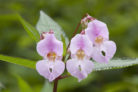
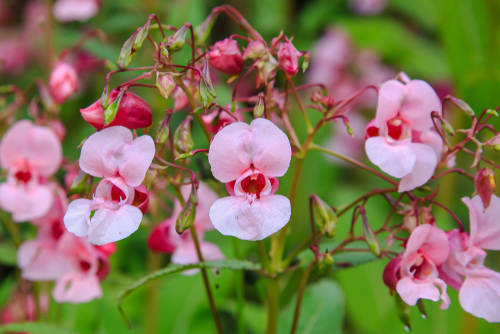
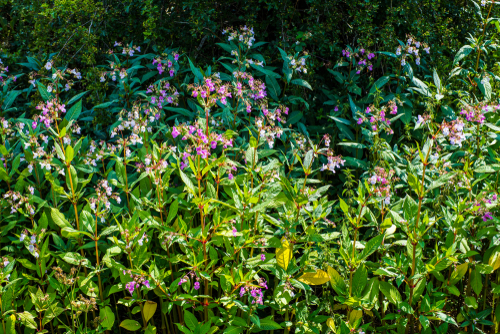
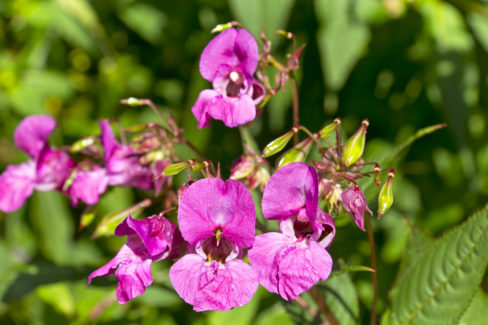
While we usually grow garden varieties just for their looks, the Himalayan Balsam is a different story. It’s considered an invasive species in many areas because it spreads so aggressively. Since it’s tough to get rid of, I definitely wouldn’t recommend planting it on purpose! However, if you spot those pink blossoms out in the wild between July and October, feel free to harvest them. They have a lovely sweet flavor and look gorgeous as:
- A colorful addition to fresh salads
- A garnish for cheese boards, cold buffets, or desserts
- An infusion for floral jellies
- A fancy touch frozen inside ice cubes
Pro Tip:
Only harvest flowers from plants you know are clean. Avoid picking near busy roads or industrial farm fields where pesticides might be used. Shady spots near the woods are usually your best bet for finding “clean” plants.
Harvesting and Using the Seeds
Both the green (unripe) and dark (ripe) seeds of the jewelweed are edible. If you’ve ever touched a ripe seed pod, you know why they’re called “Touch-Me-Nots”—they explode! This makes harvesting a bit of a challenge. My trick? Carefully place a small bag over the stem, hold the opening shut, and then give the plant a little shake to let the seeds pop right into the bag.
Impatiens seeds have a wonderful nutty flavor that gets stronger as they ripen. You can toss them raw into your morning granola or over a salad. If you toast them in a pan, they actually “pop” like tiny popcorn and—believe it or not—are said to taste a bit like french fries! If you’re feeling really ambitious and gather a large amount, you can even grind them into a nutty flour for baking.
Medicinal Properties
Himalayan Balsam (Impatiens glandulifera) has long been associated with healing properties, and it’s likely other species share some of these traits. However, while it’s traditionally been used as a diuretic, these effects aren’t well-documented by modern science. For that reason, I wouldn’t recommend using it as a primary herbal remedy just yet. If you’re curious to learn more about this fascinating plant, check out our detailed profile.